Mihi Whakatau
Mihi Whakatau- mōhiohio (information)
Mihi = to greet
Whakatau = to settle something into place, like a leaf gently falling into place
A Mihi whakatau is traditionally used for welcoming, introductions, openings and for other events which take place off the marae.
The new students, families and staff (Manuhiri) gather outside the main doors to the hall. They will be called into the hall by the school’s Kapa Haka group.
Enter the hall quietly:
Men go first
Children and women come in last (and sit in the front rows)
The Manuhiri, visitors, will take their places:
Males sit in the front row of chairs.
Females can fill the remaining seats and then continue to sit in the second row.
The school’s speaker stands and speaks on behalf of the school, welcoming the visitors.
When he finishes the school stands and sings a waiata.
When finished, everyone sits down (the speaker may choose to formally close off here).
It is then the turn of the Manuhiri, visitors, to speak. This is generally done by any male who wishes to do so.
Once the speaker is finished, the visitors stand, and the waiata Te Aroha is sung by the children (new to the school) and visitors.
The school may quietly join in to support the manuhiri.
Visitors then sit.
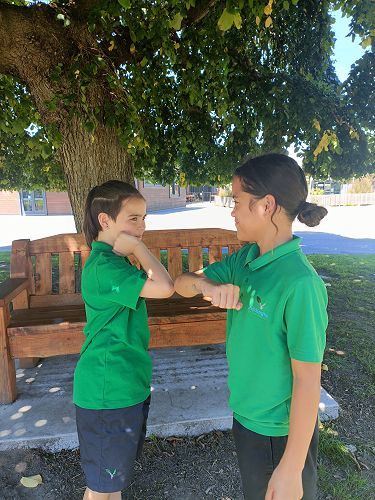
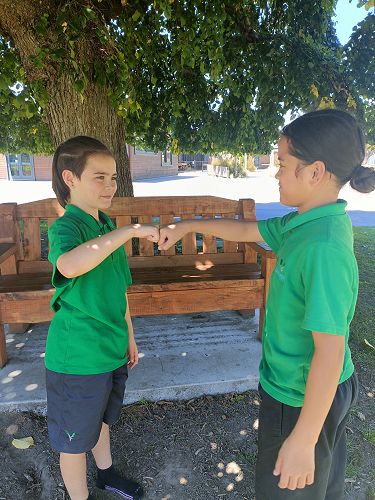
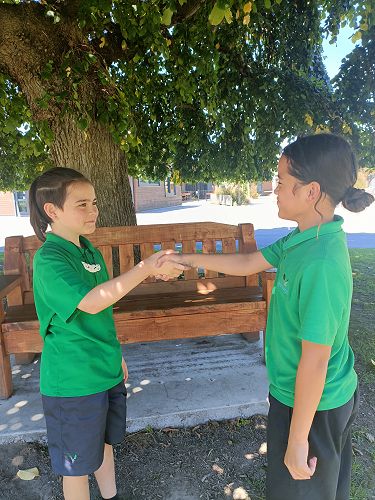
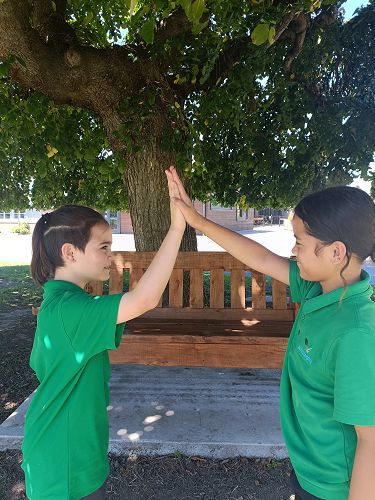
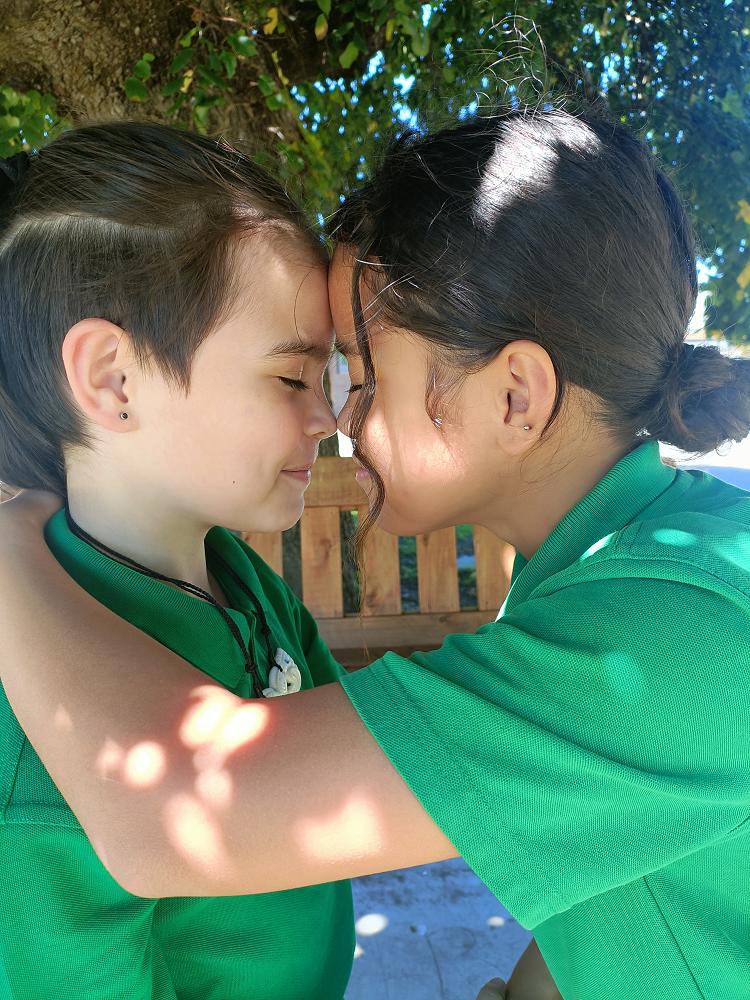
The school speaker will then invite the visitors to hongi or greet.
This can be a press of the nose, a handshake, or a kiss on the cheek for females.
Anyone who wishes to hongi is welcome to do so, along the whole line of those waiting to reciprocate.
A karakia will be said, and then kai will be shared.
Below is the waiata that you may like to learn to tautoko (support) your speaker.
Te Aroha Te aroha Te whakapono Me te rangimarie Tatou tatou e Te aroha Te whakapono Me te rangimarie Tatou tatou e | Love Faith Peace Be amongst us all |
Gallery