"Jesus is not in Jerusalem."
Words + Photos: Russell Gifford
I have made this point to several friends who have joined tourist trips to the Holy Land.
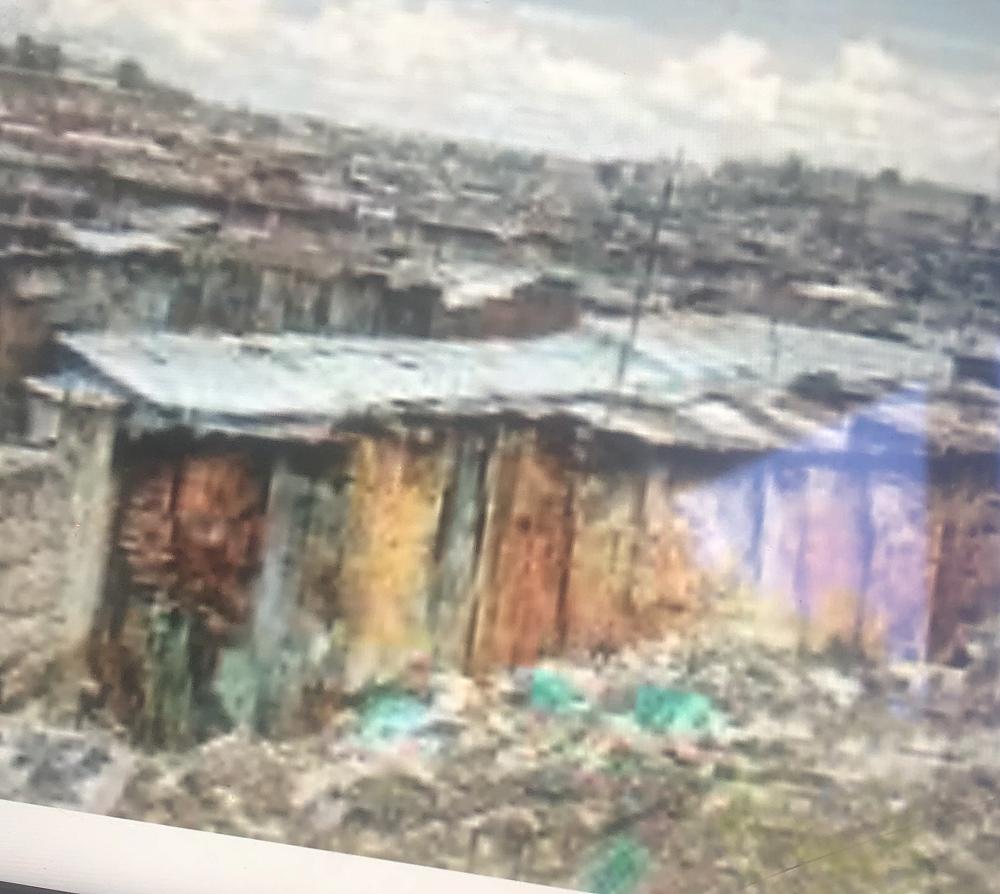
I know he is not in Jerusalem because he is in Mathare Valley in the suburbs of Nairobi. Mathare Valley had its beginning in the early years of last century when Nairobi was beginning to grow as the administrative centre of Kenya.
Employment has always been difficult to find in Kenya, but the growing city has always offered opportunity to at least begin the search for a job. You could live at Mathare Valley for nothing. You could knock up an elementary shelter from discarded materials. There was no running water available and no sanitation. It was soon an overcrowded hovel and it was a stinking horrible environment. However, there, in the middle of it all, was Father Grolle. We saw his modest little shack cum-chapel in the early 1970s. He had been there ministering to his community for decades. He brought Jesus to his community in this unlovely setting.
And then, out of the blue, I came across this story from Malcolm Muggeridge in his book, Jesus (1975, p. 13). He was on site in and around Jerusalem working on a TV series on the Life of Jesus. In a sudden moment of revelation, he realised he was actually standing on the road to Emmaus. Two thousand years of history had of course left their mark but the essential geography was still in place. He realised that the ground beneath his feet was very close to where Jesus had walked. He was deeply moved.
So, Jesus was in Jerusalem after all.
We grow a little when we can be generous enough to see someone else's perspective.
So, it occurred to me to check out Mathare Valley as it is now, some 50 years later.
It is no surprise to find that it is still there and the living conditions are as bad as ever, probably worse.
The magnetism of the city continues unabated so it is no surprise that other slum settlements have evolved over the years.
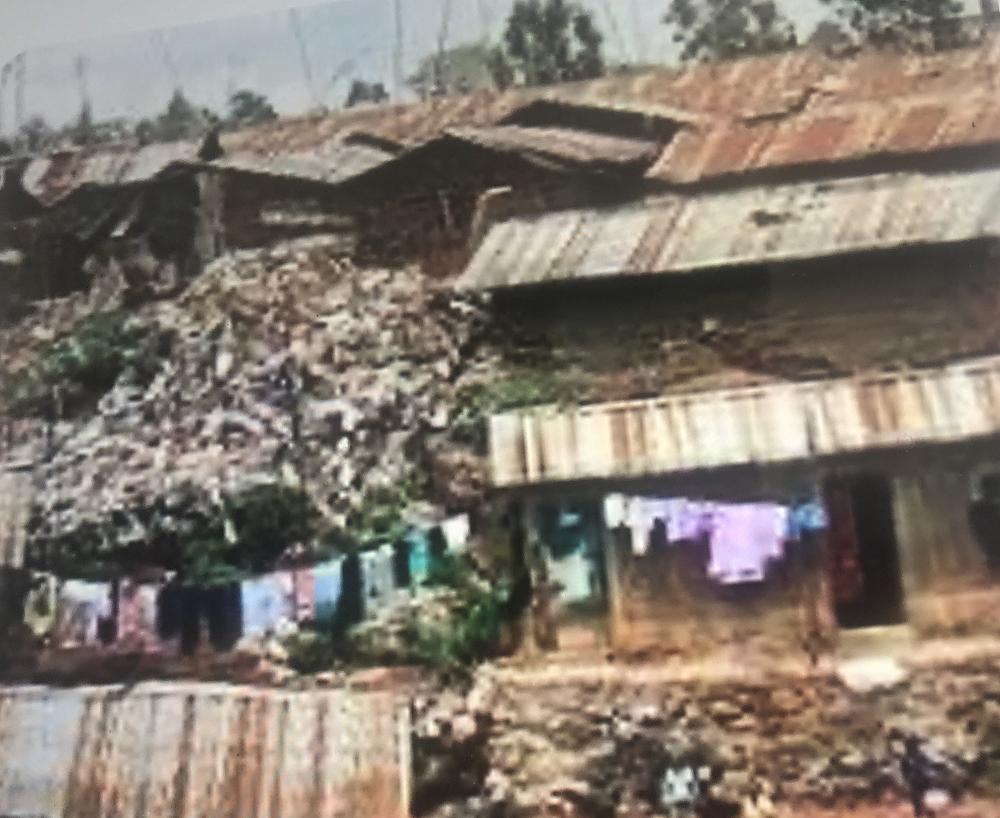
Kibera, for example, houses some 750,000 people. It is an overcrowded, unpleasant environment almost totally lacking the infrastructure that we would take for granted. But the people living there display a remarkable resilience. Despite the overcrowding, the lack of sanitation, and the constant crime there is hope for the future.
The evidence is provided by the parents of Kibera. They are concerned about the future opportunities for their children as are parents everywhere. Therefore, schools have been built out of very meagre resources. A glowing example is the SEED school. Minimal fees are charged.
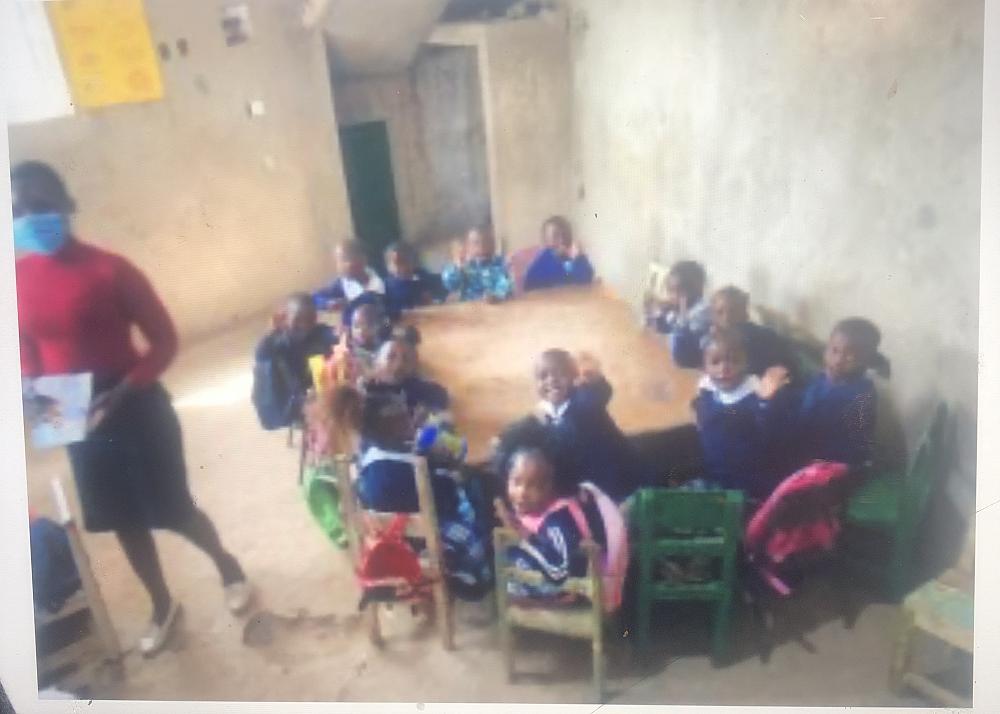
Teachers are utterly committed to their task and day by day neatly dressed children turn up for another day's learning. One child talks of her ambition to become a nurse. Another, an accountant. That optimism compels one to believe that they will succeed.
There are other examples of that inner conviction that drives young people to hope for a better future. It drives the young to keep working hard. The boys we taught at our trade school (the Christian Industrial Training Centre, Pumwani) came to us without any secondary education. They went on to work in the industries of Kenya and beyond. Some have found their way to the USA. How they managed to venture that far is beyond imagining but someone has recognised their worth as industrious and skilled young men and offered them opportunity. We wish them all well.
As we visit Mathare, Jerusalem, Kibera, and Pumwani we perceive the Spirit of God at work. We sense presence and growth and optimism. The Kingdom, little by little, is being established here on earth as it is in Heaven. Hallelujah.
Gallery