Installations reflect art policy
The Octagon, Te Rauone Reserve and Bath Street are benefiting from DCC Public Art and Arts & Creativity in Infrastructure Policy's purpose to place the arts within our daily lives and landscapes. Find out what’s happening...
Ko te Tūhono
It’s been a long time coming, but site preparation in the Octagon for installation of Ayesha Green’s Ko te Tūhono is due to start in mid-November, with an early December blessing ceremony, all going well.
3-D modelling of the carved doorway of the Tametea wharenui at Ōtākou is complete and fabrication of the moulds is underway. Using sand casting techniques, liquid aluminium is poured into sand moulds to create panels; these will be painted and then fixed to a steel frame. The double-sided sculpture will stand approximately four metres high in the lower Octagon.
A grassed area and seating will allow people to spend time with Ko te Tūhon. It is hoped that its presence will also encourage people to learn more about the Ōtākou tūpuna HK Taiaroa, whose words describing the riches of the Otago Harbour will accompany the work.
Te Rauone Reserve
Te Rūnaka ō Ōtākou and the Te Rauone working party have approved Aroha Novak and Kirsten Parkinson’s final design for the entrance to the reserve. The sculptural archway’s design references local tuaki (cockles), pīako (sedge grass), and the whales which used to frequent the harbour.
The next phase will involve investigating the design and engineering requirements for the production and installation of the artwork. The timing of this will depend on Port Otago’s progress with the building of the three groynes and the development of the carpark.
Bath Street
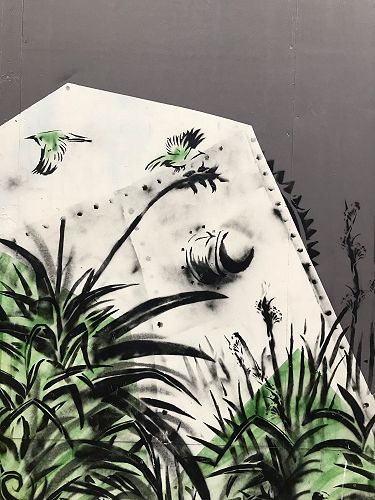
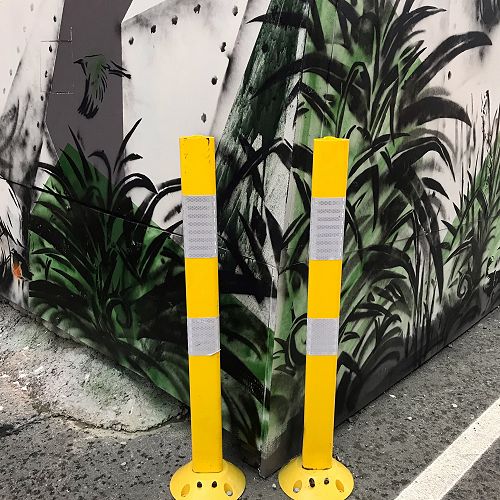
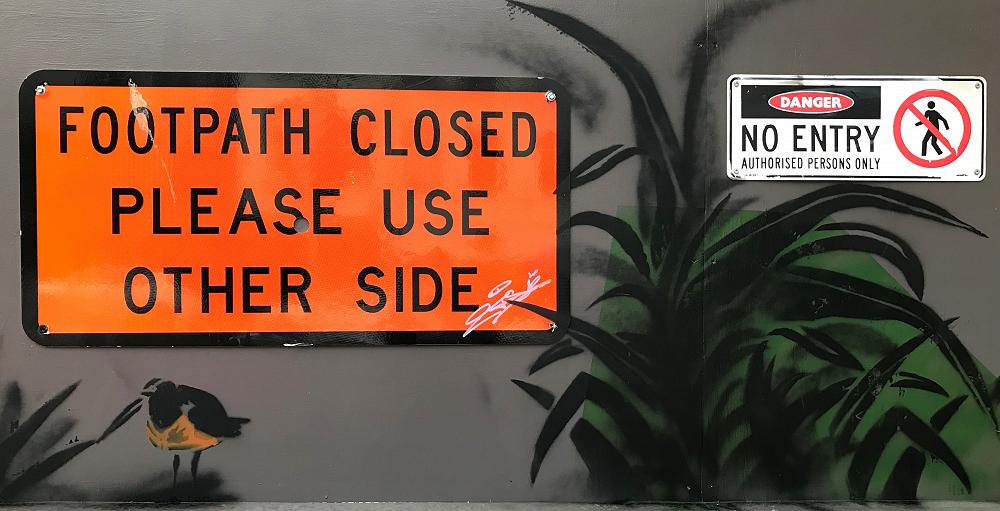
If you’re having a coffee in Bath Street or wandering down Lower Stuart Street, be sure to keep an eye out for pūkeko in hi-vis vests and snails in hard hats.
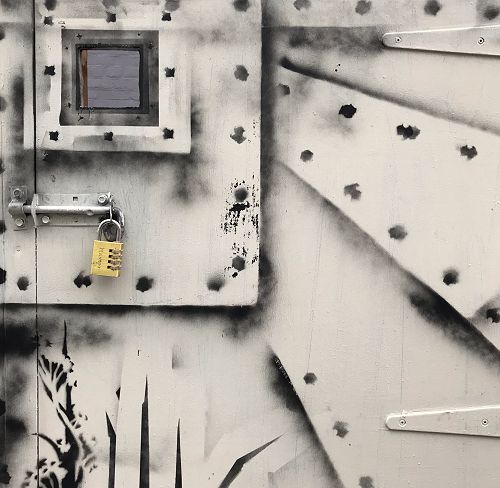
Local artist and student Bruno Willis worked with the DCC’s Ara Toi and 3 Waters staff to decorate a functional – and rather unsightly - plywood structure that safeguards a temporary water pump. Willis’ design combines an industrial aesthetic with references to the flora and fauna that would once have covered the coastal site.
Gallery