Artsenta – it’s OK to have a bad day
Craftsperson Trina Lewis and multi-medium artist Daniel (Dan) Anngow share their experience of Artsenta – a haven of creative activity for those with mental health challenges which is about to pilot an expanded service.
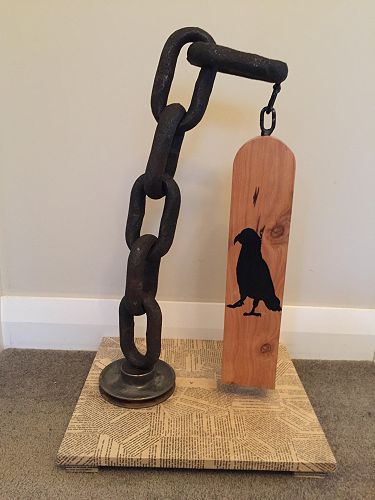
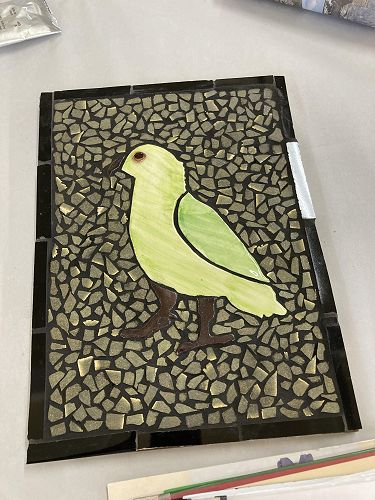
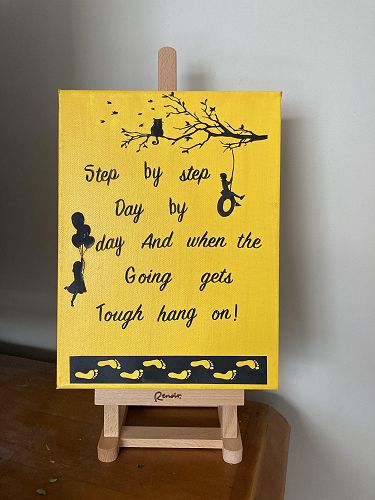
Trina Lewis says, “Most of what I do is paper craft. It’s intricate, and the concentration and precision needed calms me down and helps me focus. I do some tile mosaics, working from scratch including making most of the tiles and I do book art as well. But my pride and joy are my ‘chain series’ works. My dad does the metal work, fixing the chains, but they’re my ideas. (See Trina’s works among the images below - Ed).
“I wasn’t well when I moved from Auckland to Dunedin. I was looking for a place to make it easier to meet people and make connections. For me Artsenta is a place to go where I’m safe and okay, and when I am having a bad day. You have people around who understand. It’s okay to be having a bad day here, you don’t have to pretend; I’ve made friends.
“There no pressure. I can come and go, which is good because I still work part time and I’m a single mum. Artsenta is helping my confidence, too, through doing things I never did before, like the tile mosaics, and having people buy my things. I sold quite a few at the Arsenta Market Day last year.”
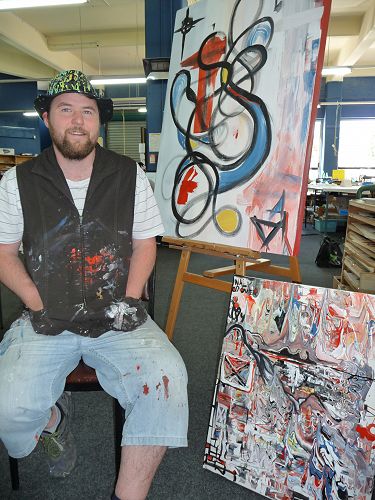
Dan Anngow sits with his partner and their young baby, with large canvases featuring examples of his fluid art and abstract modernist paintings beside them. Dan’s a professional artist who has been involved in the arts scene for 10-11 years, also producing digital and photographic work, some of which appeared in the New Zealand Isolation Exhibition during lockdown.
He talks about the Artsenta as if it’s an old and reliable friend.
“I came here for many years,” Dan says. “I had mental health issues and this was, and still is, a useful place to paint.
“The Artsenta community keep me coming back. There are a lot of skilled people here, who are amazingly talented. You see them around in the Dunedin arts scene. Through Artsenta you get amazing opportunities to be involved in group exhibitions, its Access Radio programme, and trips away. I have used the music room, recording there once or twice.
“I have gone through periods where I haven’t been to the Arsenta in a while, and then I might come every second day for a month. The staff here are always helpful in facilitating knowledge and creating knowledge.
“I think Artsenta is valuable for Dunedin’s community, bringing people together in mental health and wellbeing through the creative arts. It has helped me heal a lot, through the mental suffering I’ve experienced.”
Artsenta Director, Paul Smith, says the Princes Street space attracts around 35 people a day and some 270 people are on its books, providing support for a huge array of creative activites including writing and music.
“Some people come in a lot, some sporadically. We try and cater to each person’s needs, and aim to make it as unbureaucratic as we can. The biggest barrier is lack of transport and the cost of travel.
“Wellness is a big focus. We do see amazing progress, with people developing new skills and relationships; the sense of self-worth they have when they make, exhibit or sell a work.
He gestures towards an old upright piano, “We just registered an event in the 2021 Dunedin Fringe Festival, so we’ll work with our artists to dismantle that piano and turn it into an array of artworks.”
Artsenta has been going for 35 years. Paul points out that it’s one of the longest lived creative spaces in the country. Primarily funded by the Southern District Health Board, Artsenta is run by the Creative Arts Trust, which was formed, in part, to give people with mental health issues the same opportunity as anyone else to be creative.
Paul says, “In terms of resources, staffing and location, Artsenta is one of the most succesful services of its kind. Dunedin is very lucky.
“We do serve areas outside of Dunedin, such as Oamaru, Alexandra and Balclutha. We are about to start a pilot project in Oamaru, Kurow and Palmerston where, instead of setting up there just once a month, we move to three times a week, using community spaces and employing local people. The new project will be supported by Artsenta’s structure and staff. We then hope to replicate the service in other parts of Otago and Southland.”
Gallery