RDA (Riding for the Disabled)
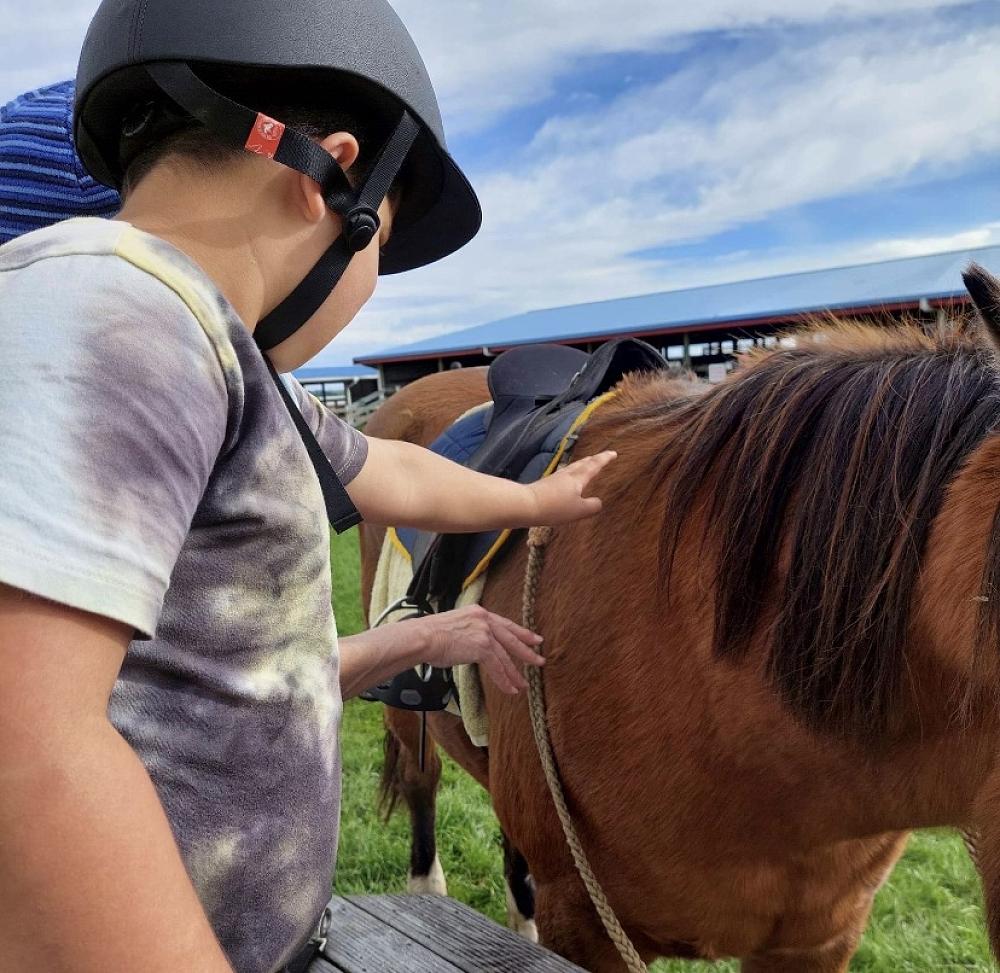
RDA is a favourite activity for some of our learners in our Ramanui class.
We are lucky to have RDA located in the Hawera Showgrounds which means we are able to ride in any weather using the big indoor arena.
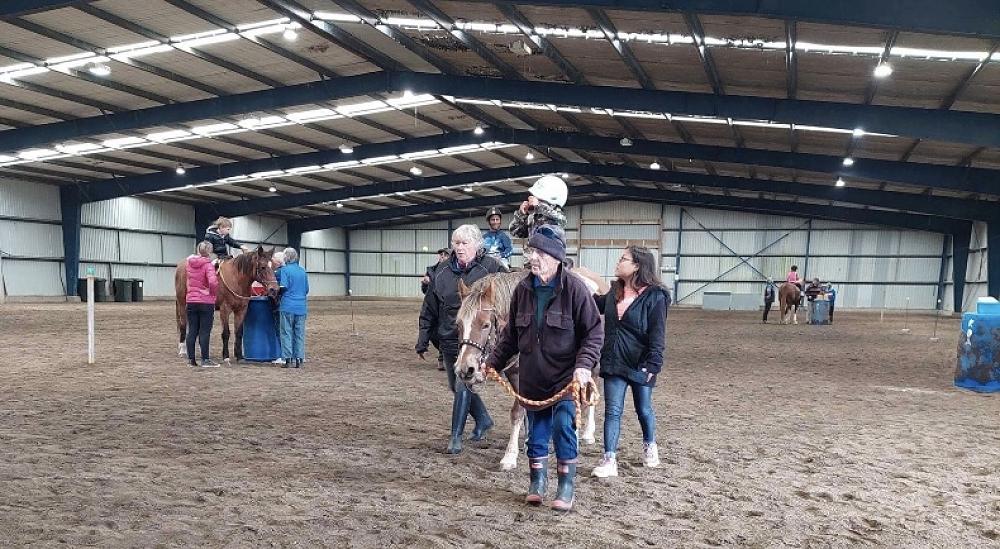
Our learners are supported by a fabulous team of passionate volunteers who patiently guide us patiently through our RDA learning experiences.
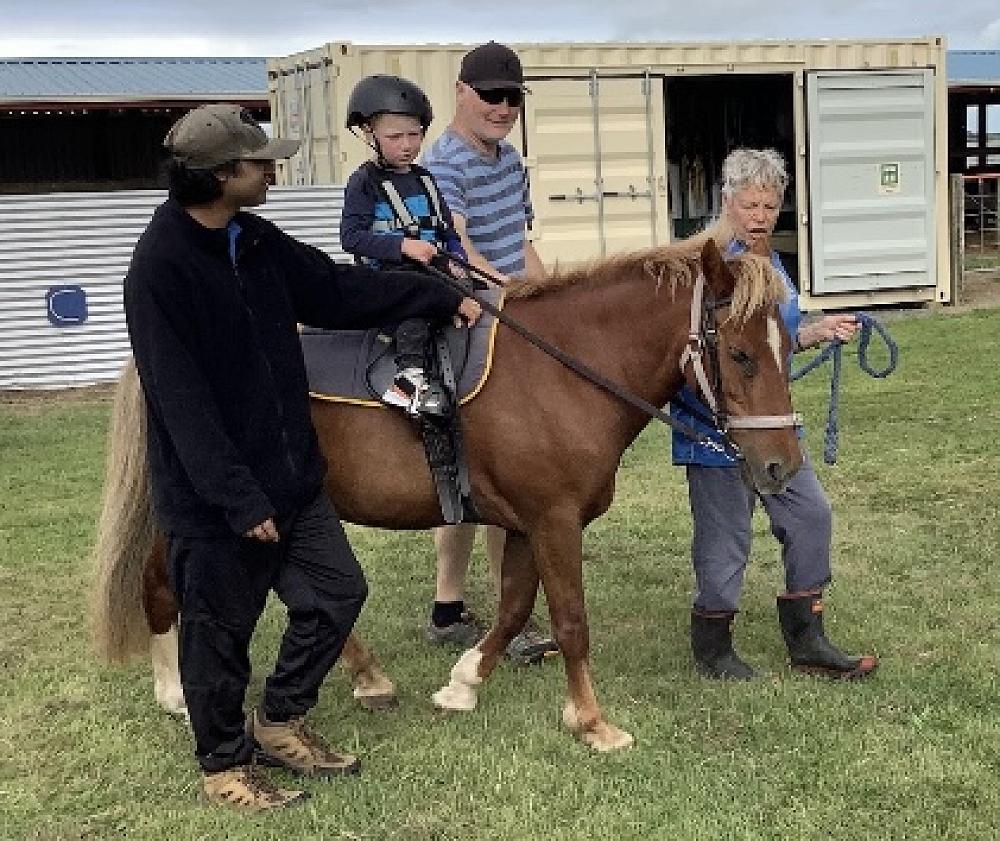
There are such a lot of learning that goes on during our RDA sessions.
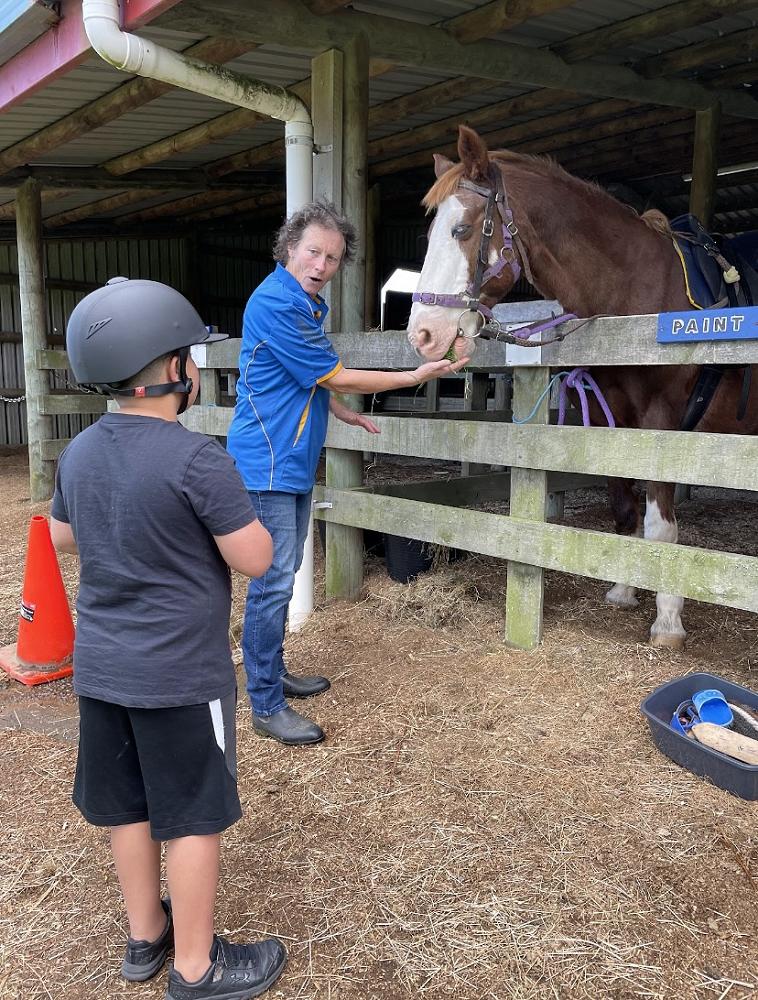
How RDA helps (from RDA website)
The warmth and three-dimensional movement of the horse is the key therapy tool used in our RDA Groups. The movement of the horse is transmitted through the rider’s body, gradually making the rider more relaxed, improving muscle tone, as well as improving their balance, posture, and co-ordination. Our RDA sessions are designed to enhance and improve physical, psychological and social abilities as well as provide recreational and educational opportunities.
Therapeutic Horse Riding is a proven therapy that develops, improves and/or promotes many aspects such as:
- Physical ability
- Muscle tone, balance, coordination.
- Muscle strength, flexibility, fitness.
- Posture, gait, ability to walk.
- Respiration, circulation, metabolism.
- Sensory perception and integration.
- Independence, self-care and mobility.
- Psychological ability
- Concentration, problem-solving and decision making.
- Insight, motivation, self-worth, confidence.
- Learning/practising concepts e.g. letters, numbers, colours, distances, shapes, body parts, etc.
- Social skills
- Communication.
- Learning appropriate behaviours and manners.
- Interaction with peers, individuals and groups.
- Human to animal contact and building relationships.
- Consideration for others and taking on responsibility.
- Sport and recreational participation
- Develop interests.
- Challenge and success in competition with self and others.
- Stimulation or relaxation.
- Integration into a community activity.
Click on this RDA website link to find out more about RDA