Sensory Curriculum
Our Sensory Curriculum includes a wide range of activities that are designed to stimulate learners senses: touch, smell, taste, movement, balance, sight and hearing. Through engagement in a range of sensory activities students learn to explore while they play, create, investigate and explore. Sensory play is important as it supports the development of thinking and reasoning skills, scientific and mathematical understanding, fine and gross motor skills, language and social skills.
Sensory curriculum is an important aspect for some of our student's learning programmes, and for these students we plan a wide variety of sensory learning experiences.
Examples of sensory play at our our Ramanui Class include:
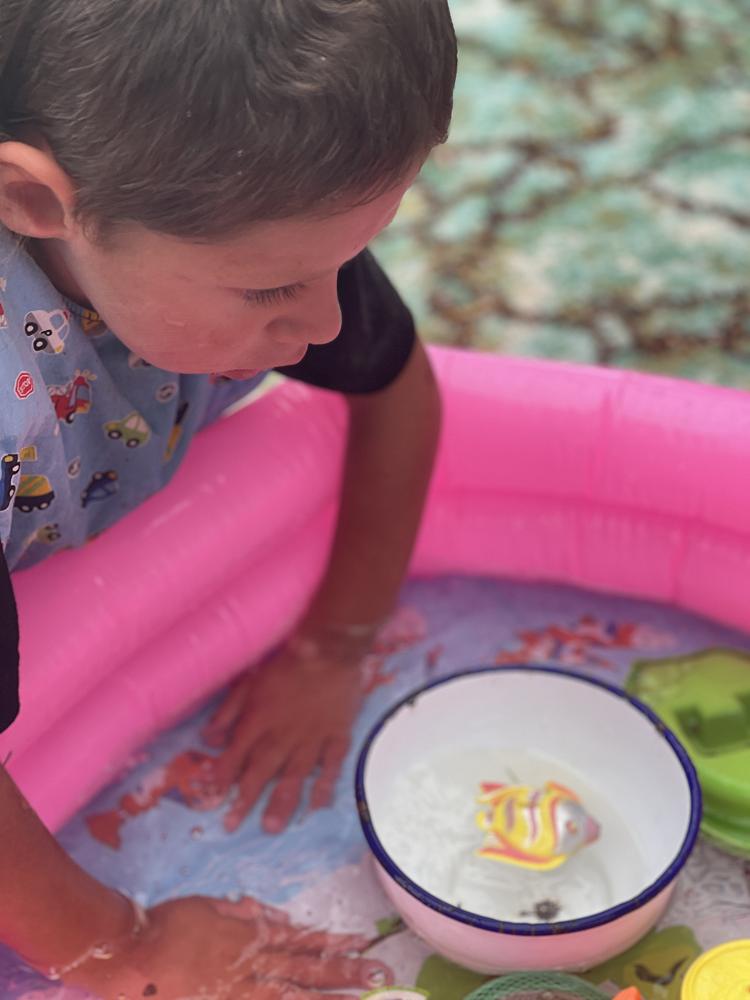
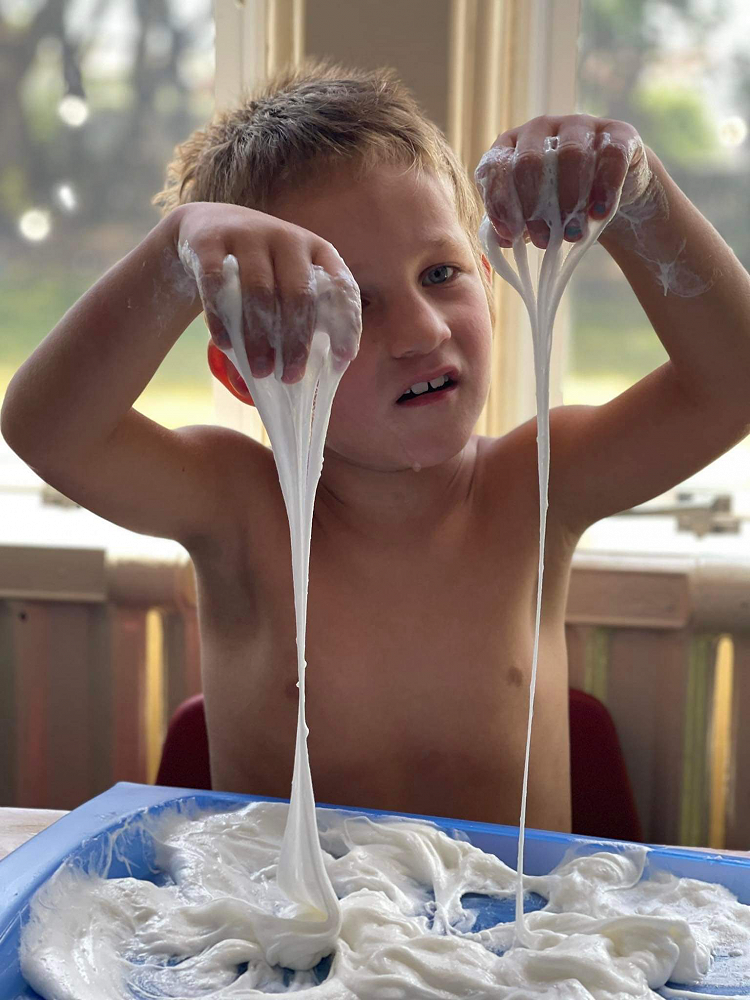
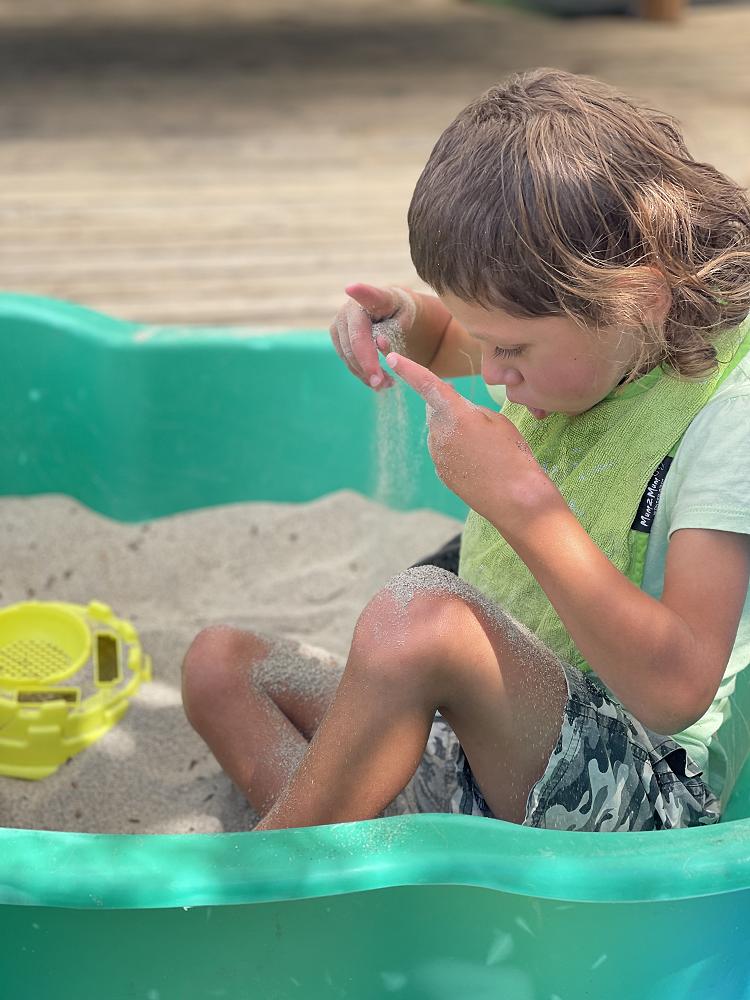
1. Tactile Play
Tactile play includes any time our learners have opportunities to explore an object with their hands. From tactile play, children can learn about the world around them, about pressure, temperature, vibrations, and so much more.
2. Vestibular Sensory Play
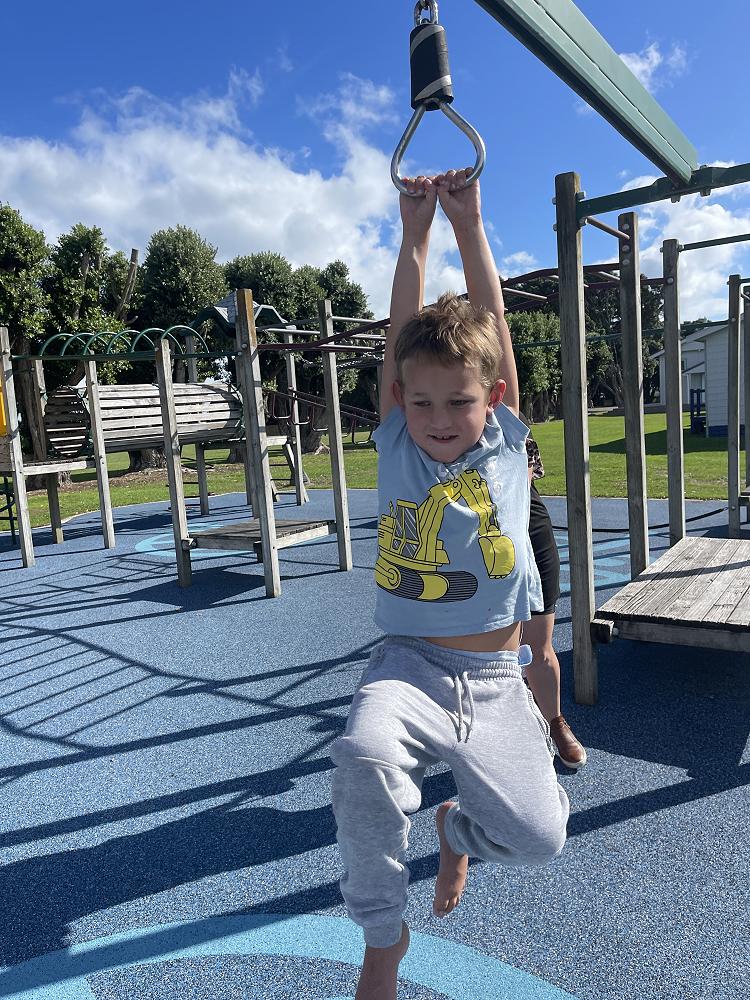
Rolling around, hanging, swinging, and jumping can all contribute to our learners development of balance. The sense of balance and movement comes from the vestibular system, which is located in the inner ear. Encouraging our learners to get their head and body into a range of different positions can help strengthen the vestibular system by activating various receptors in the ear.
3. Proprioception Sensory Play
Pushing, pulling, and jumping all help our learners develop spatial awareness of their body. Through proprioception, our children learn where they are physically in space and how their limbs relate to the rest of their body.
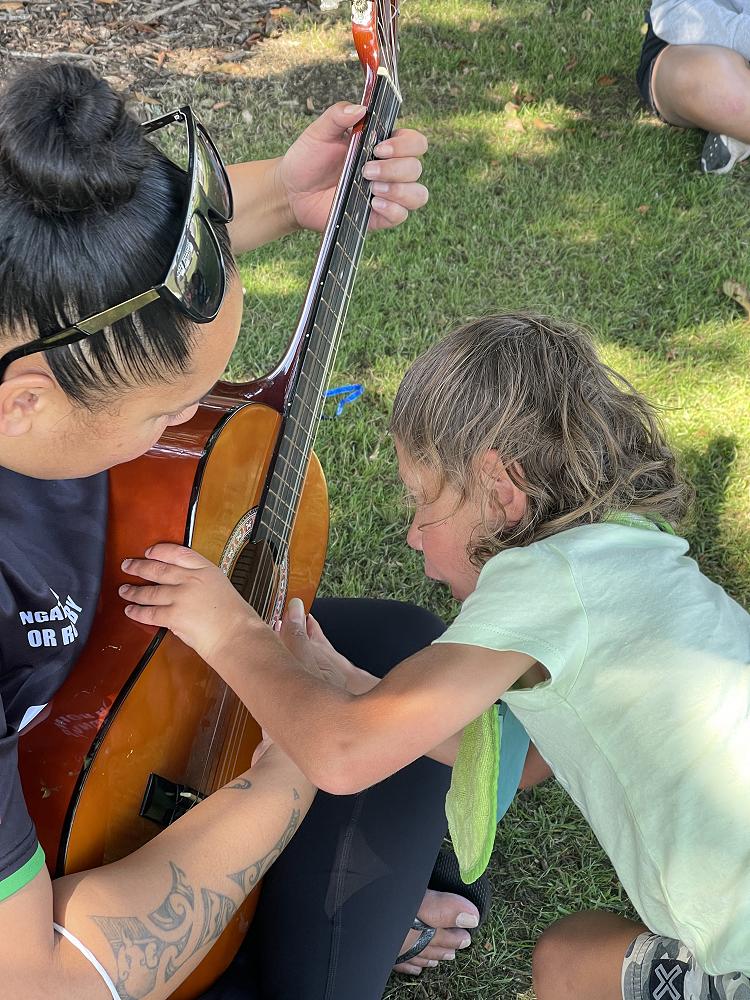
4. Auditory Sensory Play
Exploring through auditory sound play helps learners differentiate sounds and develop their hearing. Giving our learners opportunities to explore sound through play is important in the development of communication and learning about the world.
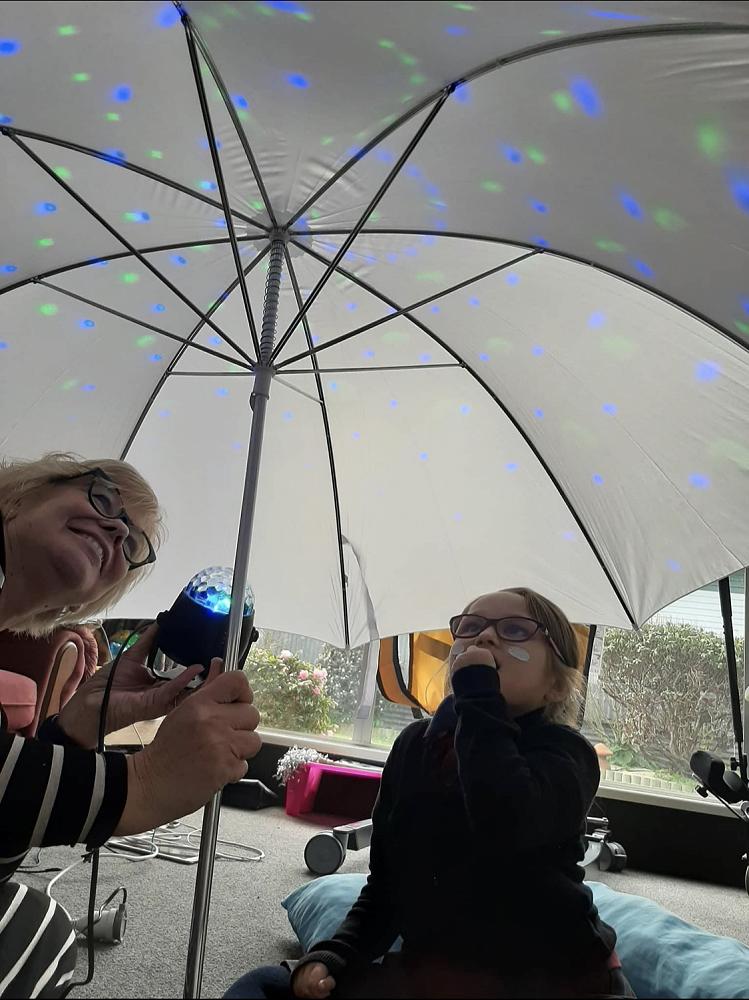
5. Visual Sensory Play
The Visual Sensory system is closely connected to the Auditory and Vestibular systems. Visual play helps to develop learners vision and sight and perception. Playing with, and identifying, colours and patterns is a fun and engaging way to encourage visual sensory play.
6. Olfactory and Taste Sensory Play
Olfactory relates to the sense of smell. It is also directly related to taste. It’s harder to gauge when a child is using their sense of smell and taste, but obvious examples include when they smell flowers or test the taste of their brand new building blocks. Children can develop these senses through games that encourage the exploration of smell and taste.