
Science Trip -2020 Update
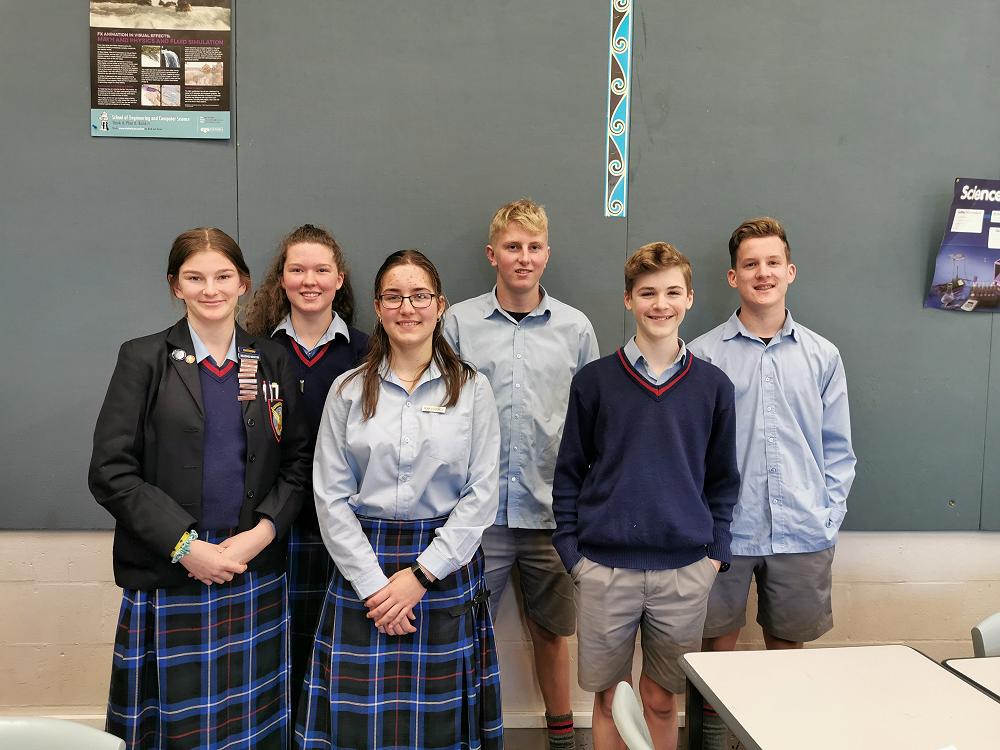
Seven enthusiastic students are heading away to Indonesia in July 2020....
This trip is led by Wallacea Foundation (a Conservation research organisation). It is funded by and relies on students and volunteers Volunteers join real science projects and contribute to real-world research programmes alongside academic researchers.
Why We Are Going To Do This
Us, as students, haven't had much experience out in the world, this trip will get us to see and learn about places that we have never even thought about going to.
We would see what kind of struggles the locals have in their everyday lives living in a climate where there are several kinds of diseases and dangerous animals. We will also get to see how they get their food and supplies, as well as gaining some experience about how the locals live their lives.
Why do we want to go on this trip? Personal benefits to us and you
Going on this trip, not only will it help the students with numerous skills but it will help the community as we will all be coming back here. Visiting other countries may help people be more open to other races, improving the communication with others. No matter the amount, this trip will bring out independence from all of us.
Doing all this will help us with many real life situation. All this growth will eventually be brought back to Ashburton, meaning we would be able to What can we bring back to our local community? Education/experience
Key Details
For the first week of their expedition we will be based in the endemic-rich rainforests of Buton Island in South-East Sulawesi. We will complete jungle survival skills training and help take part in various surveys such as forest measurement, butterfly surveys, bird point count surveys, herpetofauna surveys, large mammal and bird surveys, and bat surveys, alongside course on the Ecology of the Wallacea Forests.
During their second week the group will be based in either Bau Bau or Hoga. This is at the centre of the Coral Triangle – the most diverse reef systems in the world. Here we will learn to dive to PADI Open Water level, or if they are already dive-trained or just wish to snorkel, complete an Indo Pacific reef ecology course. The reef ecology course will cover the importance of the marine environment, along with underwater survey techniques.
Photo From Left: Chloe Johnson, Charlotte Clifford, Andrea Ciora, Alex Reilly, Charles Savage, Sam Reilly-Sigel
Missing: Gemma Taylor