

Integrated Learning at LCŌ
Integrated Studies with our Year 9 and 10 ākonga is coming to a close for the year. Students have attended classes with other members of their House in a blended curriculum.
Our Year 9 and 10 students participated in four different integrated units, taught by pairs of teachers covering different areas of the curriculum - English, Maths, Science and Social Studies as well as PE, Māori and Technology.
Classes were organised into the school’s four houses, and each class had pair teaches that prepared and presented units for a different house each term, fine-tuning as they progressed. The courses brought together different Learning Areas of the school in a way that enabled students to develop a deeper and meaningful understanding of what can be complex ideas and skills. It also modelled the way we experience the real world - in an interdisciplinary fashion. Whiria te tāngata. This year the Year 9 cohort explored the subjects of NZ Pre-colonisation, Forensic Investigation, Medieval Warfare and French Cooking. The Year 10 students explored Genetics, Energy and Sustainability, Digital Publishing, and Health and Statistics.
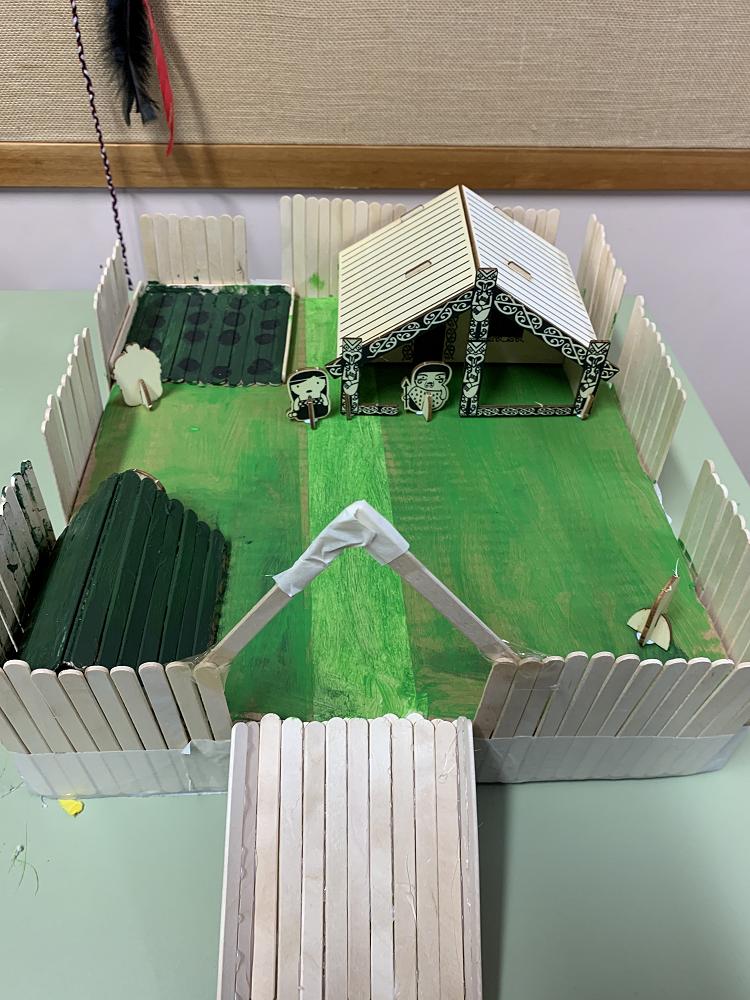
Whaea Manu and Miss Munro created a successful unit about Māori migration and exploration. Students worked in teams to build models of pā which they had to design, work together to create, and justify their choice of features.
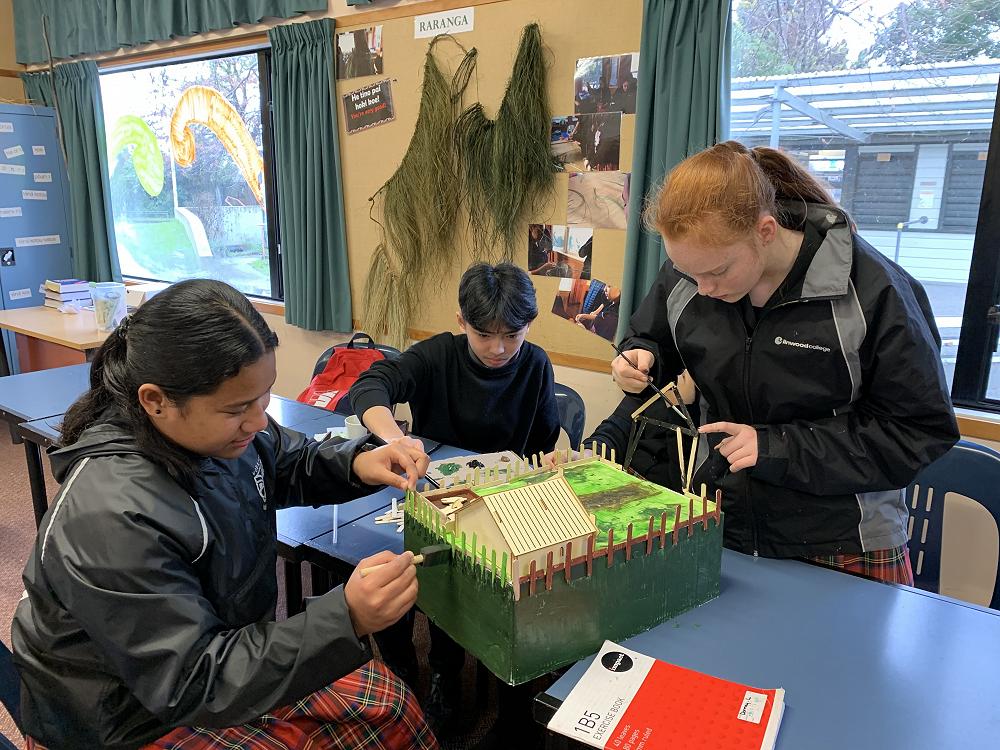
We had some great innovative thinking, with some students choosing to use "Sketchup" to make a digital pā or where.
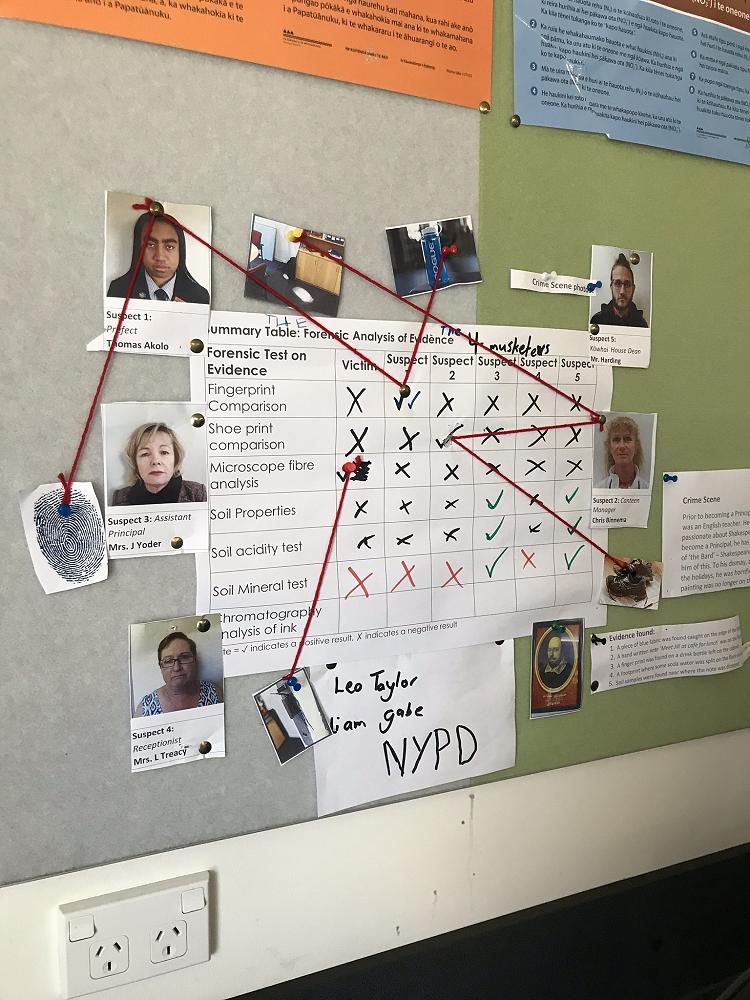
Another unit of learning was “Forensic Investigation” where students were able to combine aspects of the Science and English curriculum to set their minds to solving a crime. Throughout the term, students learned observation skills, how to hunt through articles to find information, how to carry out a range of forensic testing on evidence from a crime scene and eventually identifying a suspect that they believe did it.
The Integrated Year 10 Genetics class learned about DNA coding and Ethics in a unit that linked how people engage with science—using text and discussion.
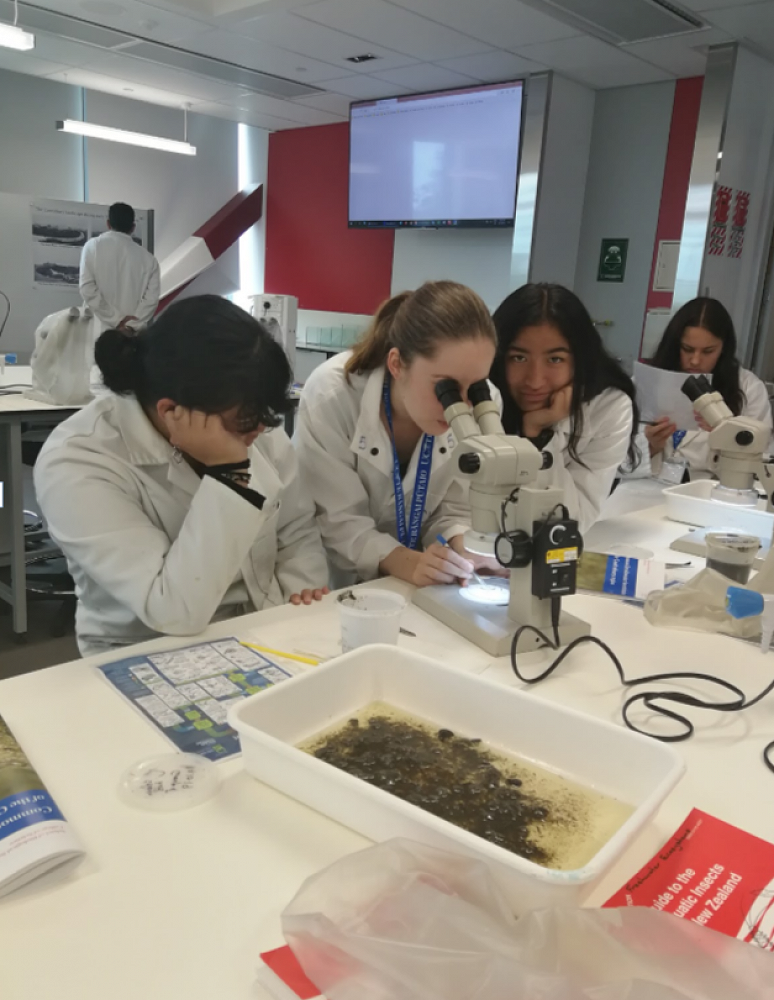
Students investigated Stan Walker's journey with stomach cancer and discovered how traits are inherited. In further learning, the school borrowed the Gel Electrophoresis kit from the University of Canterbury and students ran a gel to separate DNA fragments and analyse the results. They then discussed how this technology can be used in society, exploring the ethical dilemmas of forensic testing, designer babies, and genetically modified crops.