Cook Island Language Week: Embracing Culture, Language, and Traditions for a Rich Learning Experience
Welcome to Cook Island Language Week! Join us as we delve into the rich and vibrant language of the Cook Islands, exploring its cultural significance and practical applications. In this educational journey, we will unravel the nuances of Cook Island language, teaching you how to greet, converse, and express yourself. Let's
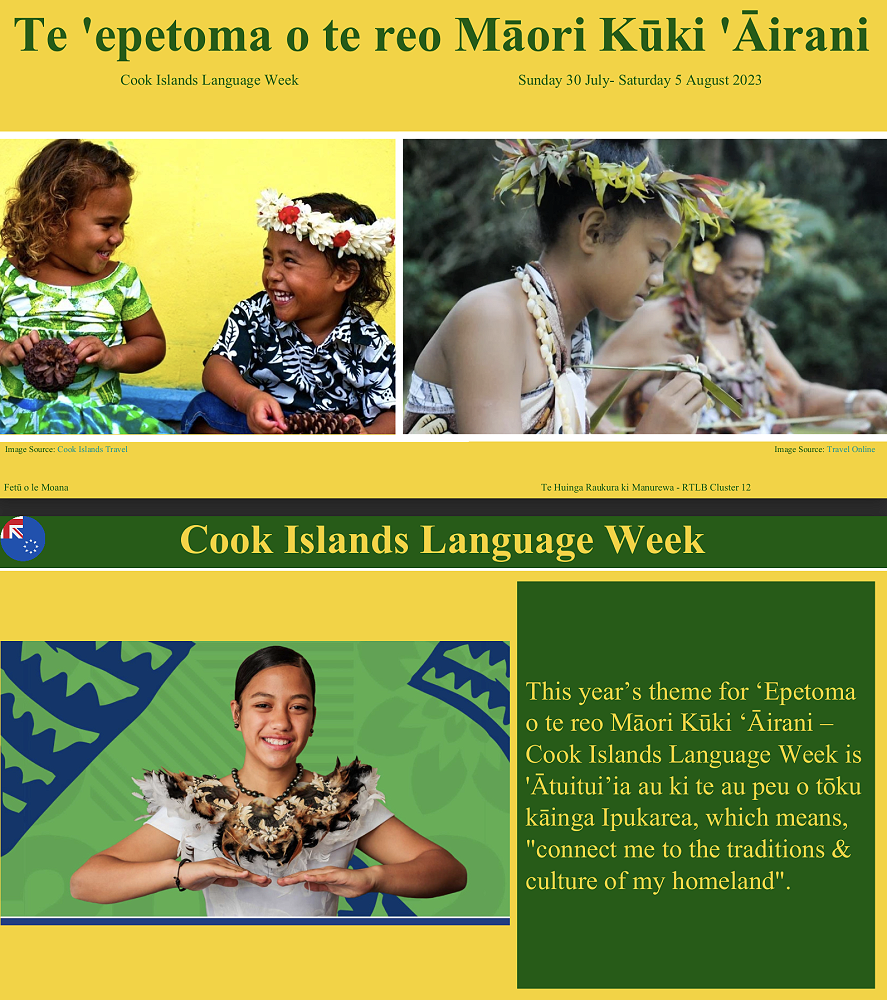
Welcome to Cook Island Language Week! This annual celebration, held in New Zealand, aims to promote and preserve the rich language and culture of the Cook Islands. During this week, people come together to learn and appreciate the Cook Island language, also known as Māori Kuki Āirani.
Understanding Māori Kuki Āirani
Māori Kuki Āirani is the language spoken primarily in the Cook Islands. With its Polynesian roots, this language holds significant cultural importance for the Cook Island community. Learning Māori Kuki Āirani not only fosters language preservation, but also deepens understanding of Cook Islands' heritage and traditions.
Key Concepts
Let's explore some fundamental concepts in Māori Kuki Āirani:
- Vowels: Māori Kuki Āirani has five vowels: a, e, i, o, and u. Each vowel has a distinct pronunciation.
- Consonants: Māori Kuki Āirani features several consonants, including t, k, p, ng, and v. Pronunciation of these consonants might vary slightly compared to English.
- Greetings: Common greetings in Māori Kuki Āirani include "Kia orana" (hello), "Meitaki" (thank you), and "Aere ra" (goodbye).
- Family Terms: Family holds great significance in Cook Island culture. Common family terms in Māori Kuki Āirani include "mama" (mother), "papa" (father), "tamariki" (children), and "matua" (parents).
- Numerals: Māori Kuki Āirani uses numeral words for counting, such as "tahi" (one), "rua" (two), "toru" (three), and so on.