

"When The Adult Changes, Everything Changes" Paul Dix
Seismic Shifts in School Behaviour
When the Adults Change, Everything Changes by Paul Dix is a practical guide to improving behaviour in schools by focusing on the actions and attitudes of the adults rather than placing the burden on students.
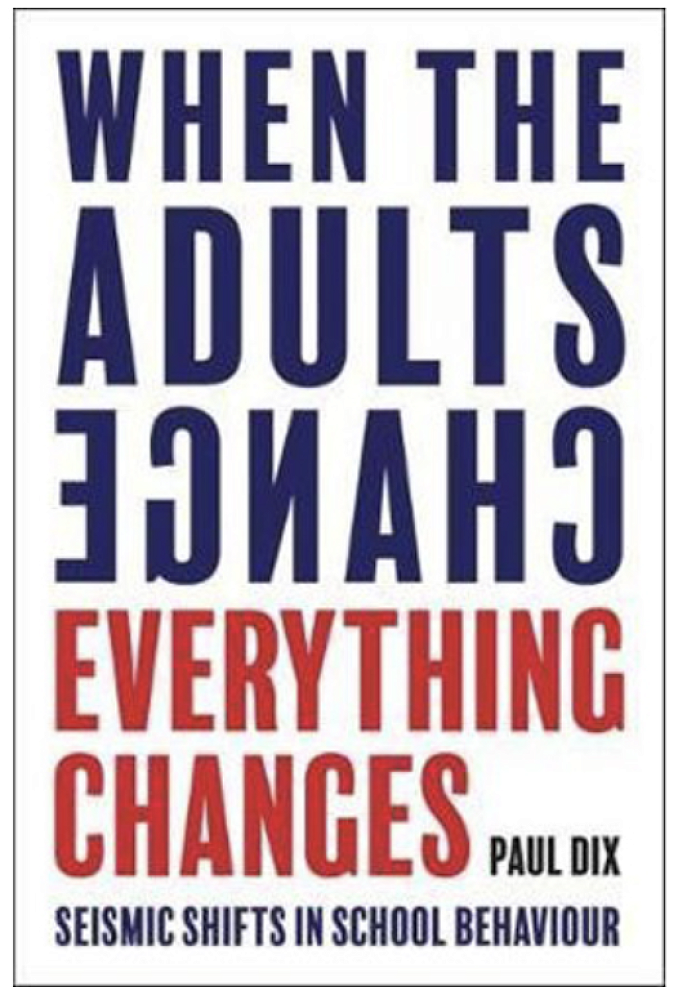
This book provided a great reflection for me as a school leader and below are some of the key takeaways and tips that I think were useful to my own thinking with my kura in mind (particularly being a PB4L school too, which this book very much aligns to!)
Visible consistency, visible kindness (not zero tolerance)
Relentless routines and consistency from all adults!
Explicitly teaching the behaviours needed to be a successful learner
The foundation of every school must be excellent behaviour. The focus on the visible culture and making the consistency palpable, audible and highly visible. EVERY. SINGLE. DAY
Small persistent shifts in adult behaviour have incredible effect on student behaviour
Delete the chaos of "rules" and allow just three. Three rules are easily remembered by all, so that everyone uses them all the time and relentlessly pursued.
Strip back the "sea" of punishments
Meeting and greeting - the most simplest routine: how learners enter the classroom. Even this basic routine is inconsistent and should be straight forward.
Debunks the notion that students should just know how to behave (particularly as they get older)
Explores the impact of "tonne of bricks" type punishments
Discusses how "token economies" (rewards) are corrupt and are never consistent with students
Routines to be taught in three steps (no more!)
Paul explores some great ideas and strategies in his book
Meeting and greeting
"Fantastic Walking"
Nobody sees the principal without a tour!
Recognition boards
Behaviour games
The drip effect and deliberate botheredness
Postive notes
One million merits
Keystone classroom routines (including The Keystone Five)
Any many many more cool ideas and strategies
Paul Dix also talked about The 30 Second Intervention for when students dig their heals in. The longer the negotiation around behaviour for the few, the less time you can give to the many. Limit the formal one on one intervention for poor behaviour in class to 30 seconds each time. "Get in, deliver the message, anchor the child's behaviour with an example of their previous good behaviour and get out, with your dignity and the child's dignity intact. Win-win." Paul has detailed suggested 30 second scripts which are really succinct and powerful.
Key Ideas:
Adults Set the Tone – Teachers and staff must model the behaviour they expect from students. Instead of reacting with punishment, they should respond calmly, with fairness.
Routines and Consistency – Clear, simple rules applied consistently by all staff help create a predictable and safe learning environment.
Relentless Routines – Small, repeated actions (such as greeting students at the door) can have a huge impact on classroom culture.
Praise Over Punishment – Focusing on positive reinforcement rather than punitive measures encourages better behaviour.
De-escalation and Emotional Control – Adults should avoid power struggles and instead use quiet, controlled responses to manage conflict.
Restorative Approaches – Rather than relying on detentions or exclusions, the book promotes restorative conversations to help students understand the consequences of their actions and take responsibility.
Building Relationships – Strong teacher-student relationships are at the heart of effective behaviour management.
A brilliant read for anyone in education!
Also Paul has spoken on different Pod Casts, check some of them out!
Kate