
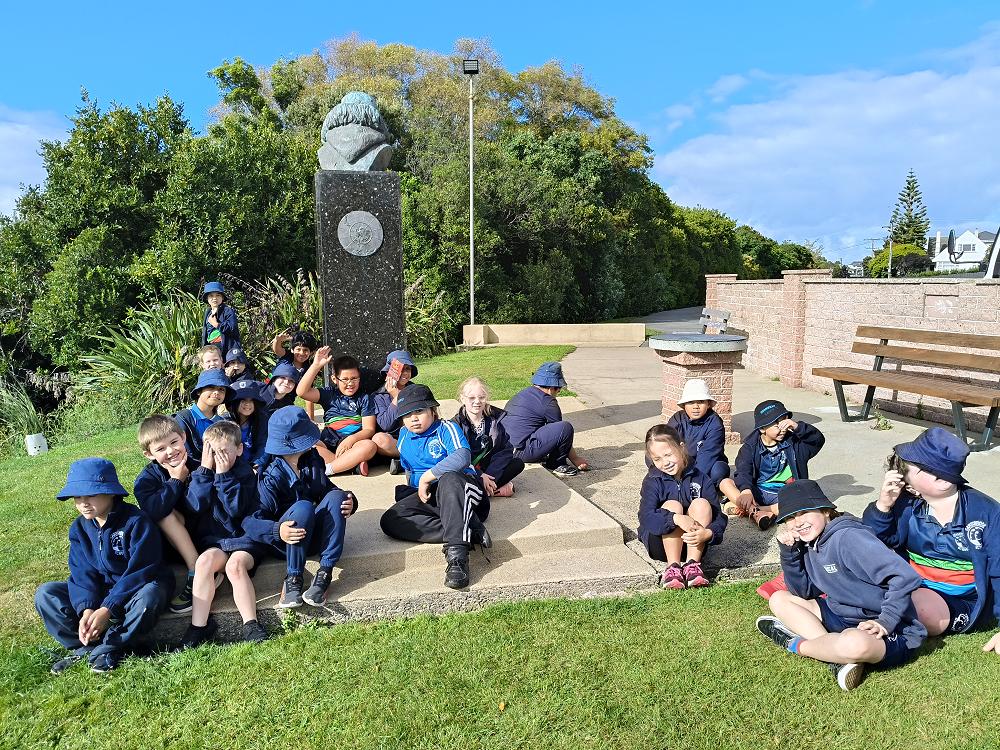
Te Rara/Unity Park EOTC
We are blessed to have so many incredible places to visit here in Ōtepoti/Dunedin.
Education Outside The Classroom (EOTC) is an important part of the curriculum and provides a rich context for authentic learning. Students and staff from Manaia, Moa, Paikea and Kākāpō visited Unity Park recently to learn about the history of Muaupoko/Otago Harbour and other features that you can see from this wonderful lookout.
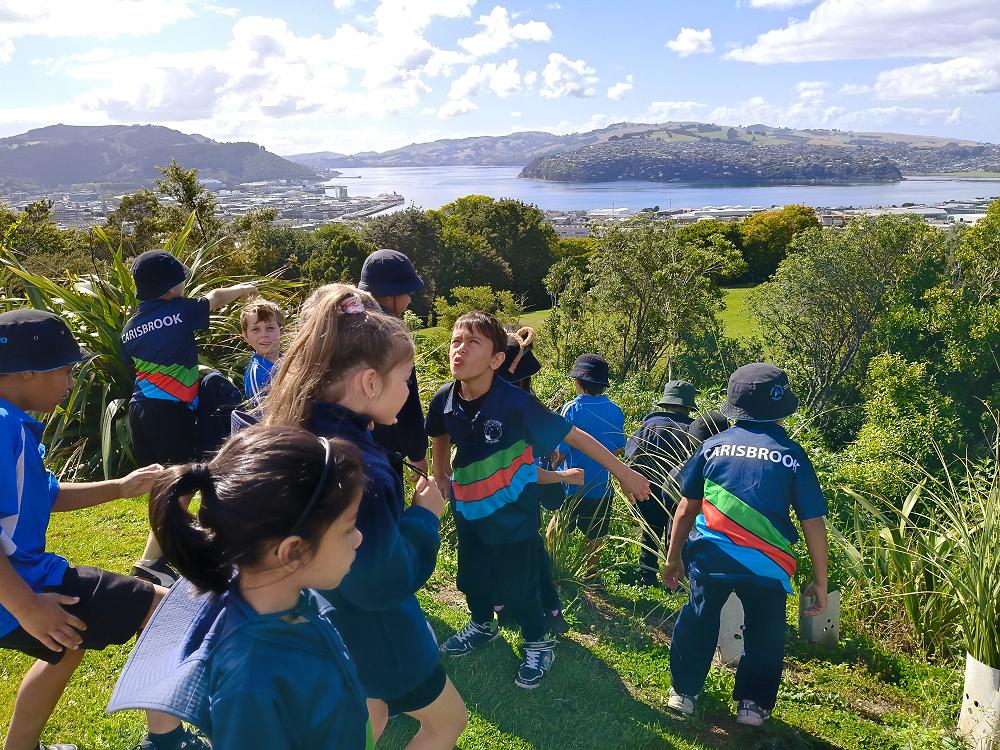
Te Rara is the name of the ridge that ascends from Carisbrook School and the low lying area of South Dunedin to local mauka (mountain) Whānau-paki/Flagstaff. The water course that runs through The Glen also shares this name and would have flowed into the wairepo (wetland) that once covered much of Caversham, South Dunedin and St Kilda before tauiwi (non-Māori) arrived many generations ago.
Muaupoko is the Kāi Tahu name for the harbour and had many kainga nohoanga with a multitude of hapū (sub-tribe) occupying them. Otago Harbour provided such a plentiful supply of mahinga kai (food gathering place) that at one time up to 12 kāika (settlements) existed along the harbour edge, some larger and more important than others. The whole of the Otago coastal area offered a bounty of mahika kai, including a range of kaimoana (sea food); sea fishing; eeling and harvest of other freshwater fish in lagoons and rivers; whale meat and seal pups; waterfowl, sea bird egg gathering and forest birds; and a variety of plant resources including harakeke (flax), fern and tī (cabbage tree) root.
Place names along the coast record Kāi Tahu history and point to the landscape features which were significant to people for a range of reasons. For example, some of the most significant māhika kai rivers which enter the coastal waters of Otago include: Waitaki, Kākaunui, Waihemo (Shag), Waikouaiti, Kaikarae (Kaikorai), Tokomairaro (Milton), Mata-au (Clutha), Pounawea (Catlins). Māhika kai estuaries include: Waitete (Waitati), Ōtākou (Otago), Makahoe (Papanui Inlet), Murikauhaka (Mate-au and Koau estuaries), Tahaukupu (Tahakopa estuary), Waipatiki (Wapati Estuary). Islands where māhinga kai was gathered from in the coastal area include Okaihe (St Michaels/Green Island), Moturata (Taieri Island), Paparoa, Matoketoke, Hakinikini, and Aonui (Cooks Head).
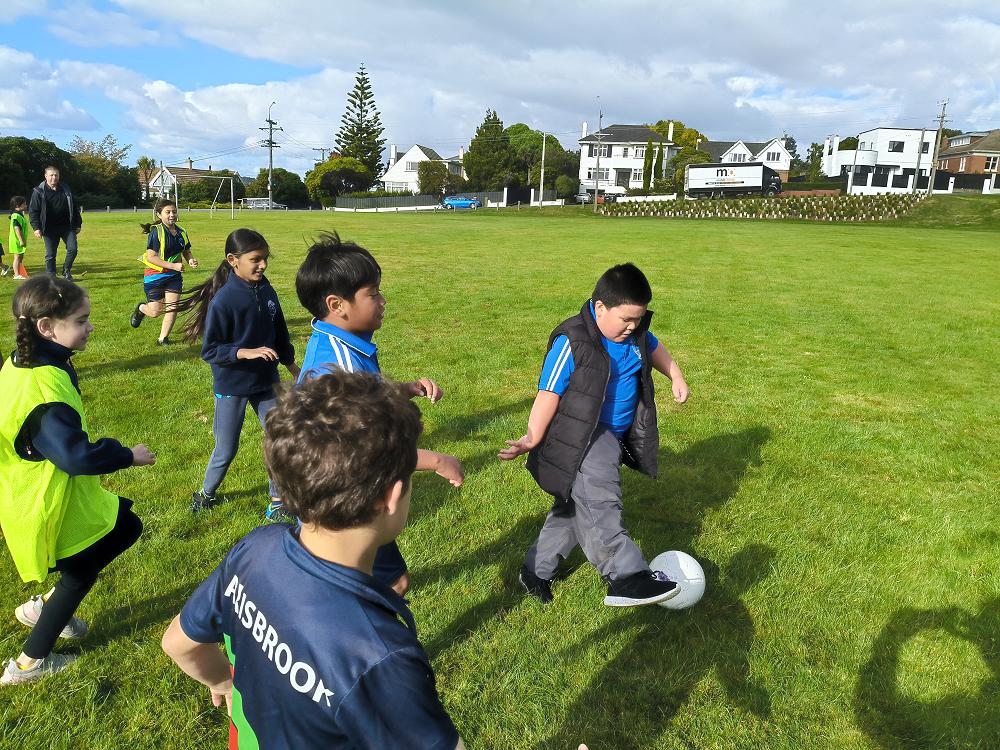
Learning about our history and ourselves is a way of fostering identity, self-esteem and confidence. We can also make links and connections to people and place which strengthens relationships and makes learning fun.
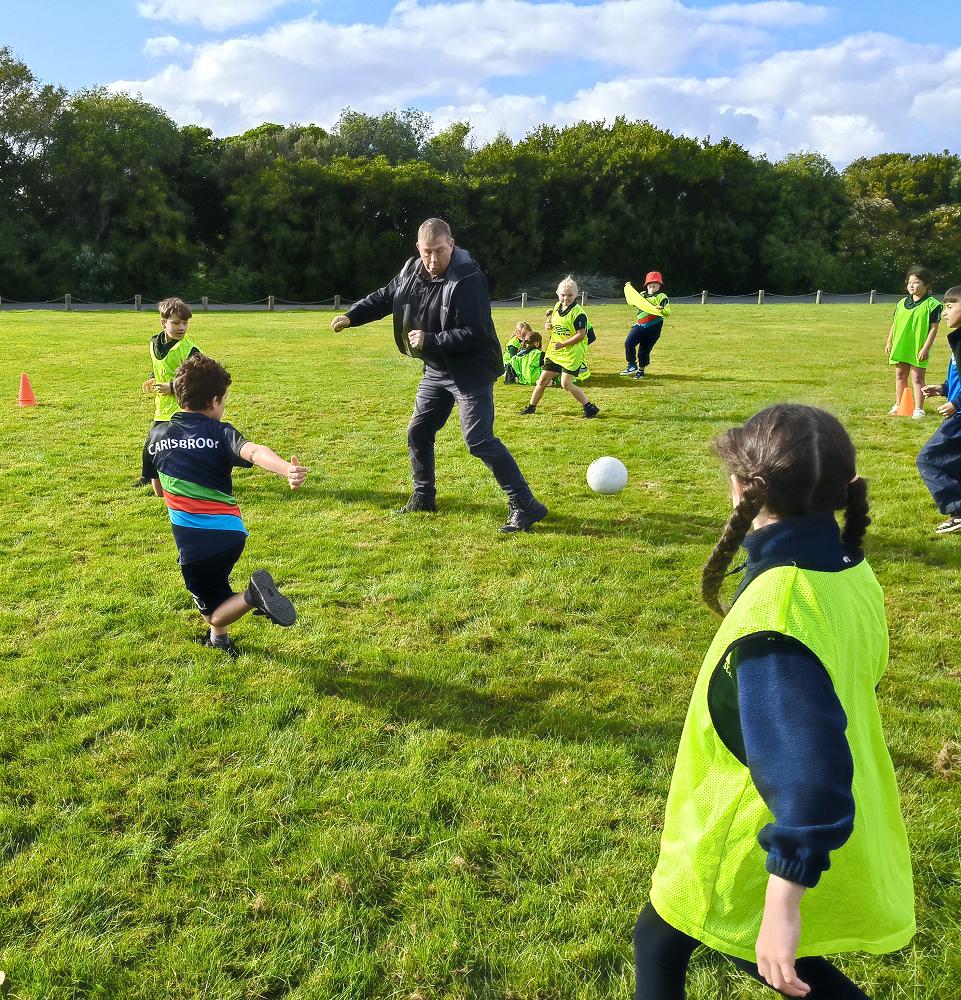
Thank you to Alister, Tony, Kelly, Jocelyn, Carolyn, Tyler, Steph and Eloise for making our EOTC adventures such a great learning experience for our tamariki.