
Structured Literacy
Since 2020 we have strengthened our literacy curriculum by implementing structured literacy pedagogy (evidence-based literacy practices) across the school.
Structured Literacy is an evidence-based approach that is grounded in the Science of Reading. As a school, we access the iDeaL platform to ensure our teachers are well supported and that the approach is embedded and sustained across our school.
The findings from the Science of Reading have taught us some very important lessons that we cannot ignore. This body of research findings has been a welcome addition to the education sector and we are proud to share with you that we are certainly taking heed of these.
Key takeaways from the Science of Reading include the following:
Reading is not a natural process. We previously believed that learning to read was like learning to speak.
We now know the skills that good readers implement and the associated parts of the brain that are involved in the reading process.
Likewise, we know what aspects we should assess and teach to students who are not progressing in reading and spelling.
We now know that all brains learn to read in the same way and that these areas of the brain can be taught and developed.
A Structured Literacy approach to learning to read and spell is necessary for all and crucial for some.
A Structured Literacy approach is the most efficient teaching and learning approach for dyslexic children and those with reading difficulties.
The teaching of spelling in a systematic and explicit way enables students to become capable readers and writers.
As a parent, you may wish to learn more about this new approach and the Science of Reading. If you have questions, please feel free to find further information at:
· APM Reports – At a Loss for Words.
Homelearning
Some key aspects are as follows:
We implement a very explicit approach to the teaching of spelling. You will notice a much more systematic sequence to the practising of spelling words.
The spelling concept may also align with the reading focus for your child and in time, they may bring home what is known as a ‘decodable reader’. In these books, the letter representations relate to the sounds and letters that your child is learning through a set teaching order.
When your child brings home a reading book, if they are a beginning reader it may be one for you as the adult to read and for the child to enjoy.
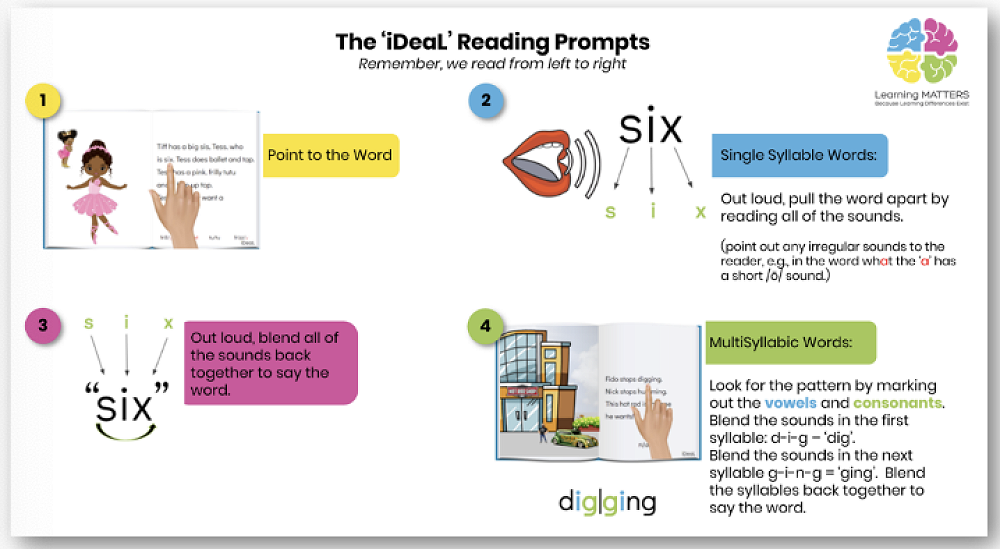
Or they might bring home a word list to learn, a passage to read or a book for them to read to you. Help your child read each word on the page, rather than guessing or using the pictures as clues. The prompts below will help to guide you.
The refreshed New Zealand English curriculum for Years 0–6 focuses on building strong foundational literacy skills through a structured approach to reading, writing, and oral language. It emphasizes phonemic awareness, vocabulary development, and comprehension strategies to support early literacy success.
The curriculum also promotes a diverse range of texts, including those reflecting Aotearoa New Zealand’s unique cultures and histories, to engage students and enhance their understanding of language.
With a clear progression of learning, it ensures all tamariki develop the confidence and skills needed to communicate effectively in a rapidly changing world.