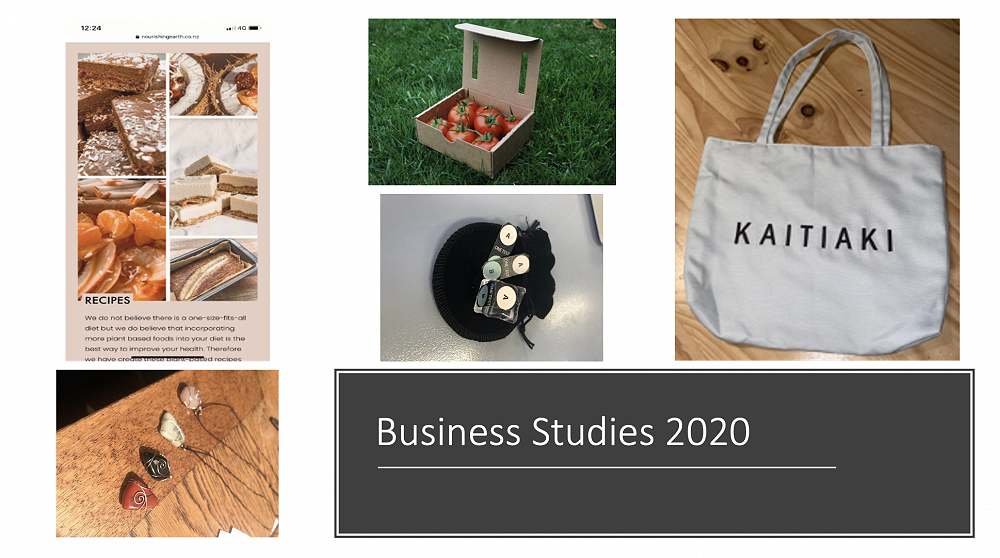
Business Studies 2020
Carrying out a business activity during a global pandemic is challenging for any enterprise. These challenges were magnified for our students who were attempting to conduct a commercial project for the first time in their lives under such conditions. Building resilience, having the flexibility to pivot and developing strong communication skills are key focus areas of the business studies course and the national lockdown bought these ‘soft skills’ to the fore.
The year began well with students being challenged to find their ‘pūtake’ or ‘their reason for being’. They were set the mission to find a problem in society that they wished to solve or improve upon. The result of such student agency is that each year we have a wide variety of commercial enterprises and 2020 was no exception in this regard.
As well as working towards achievement standards, our students also participate and compete in the national competition, the Young Enterprise Scheme. We congratulate our teams who completed all five tasks in this scheme and make special mention of ‘Half Full’ who finished as one of the top five teams in our region.
Our businesses this year were:
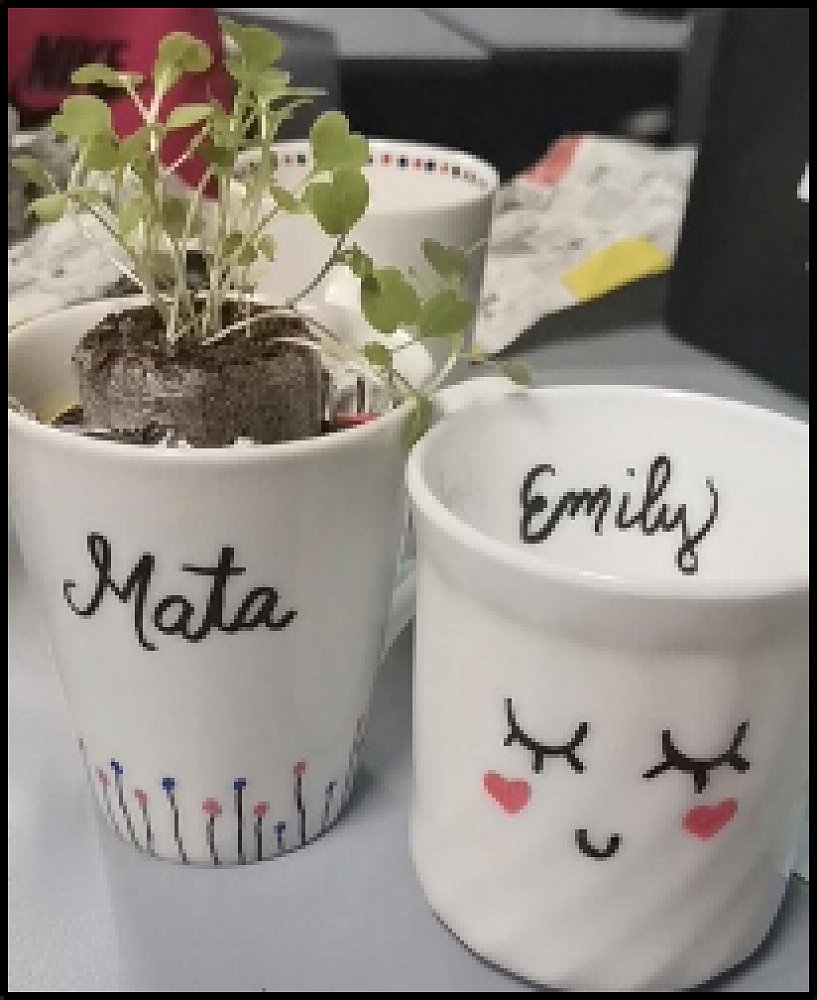
1. Sip ‘n’ Seed - Our mission was to make an affordable product that is environmentally sustainable and to encourage youth to use environmentally friendly practices by repurposing mugs. “Going Green” will help future generations to make healthier lifestyle and environmental choices. We had hoped to sell at local cafes but wth hospitality stretched after the lockdown we chose to sell via a social media platform.
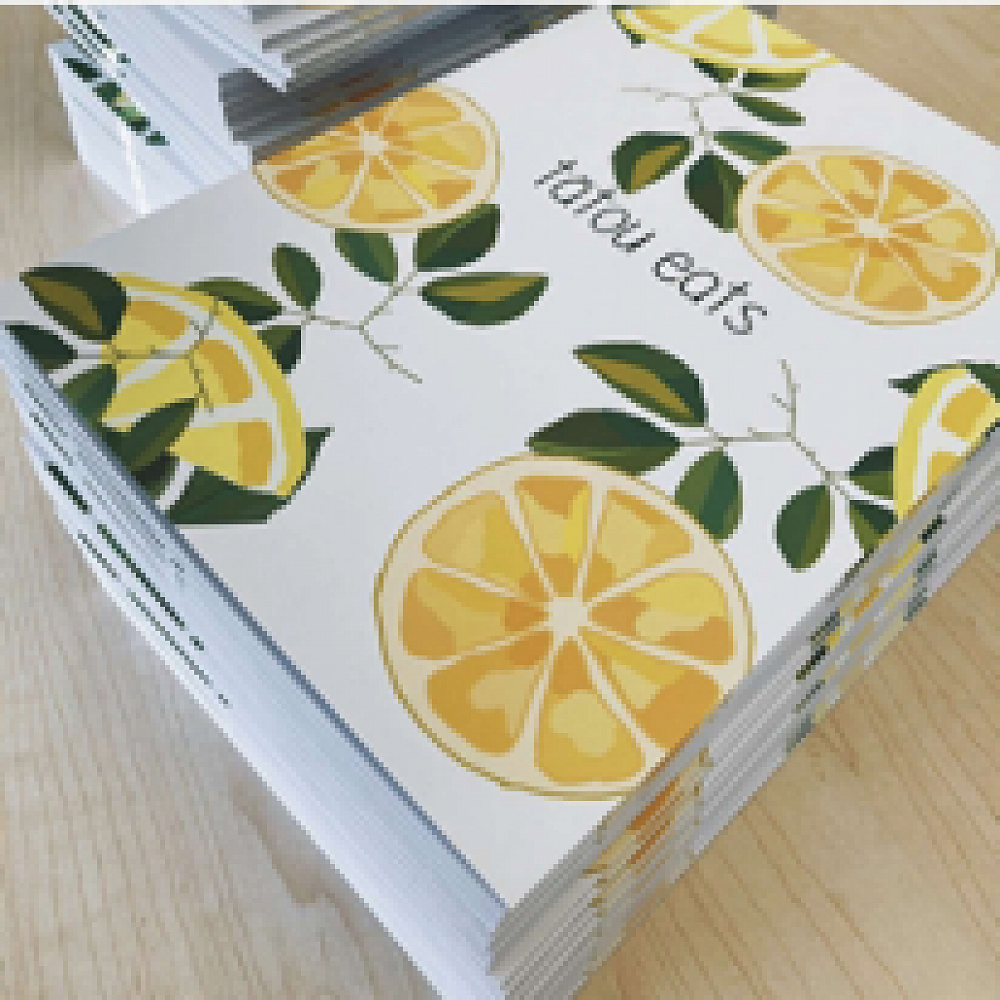
2. Tātou – The mission is to increase knowledge around basic food skills for those who are receiving food packages from the Christchurch City Mission food bank. A buy one, give one scheme was created where customers purchased a cookbook for themselves while knowing that a separate book was being produced to be given to those receiving food packages from the Mission.
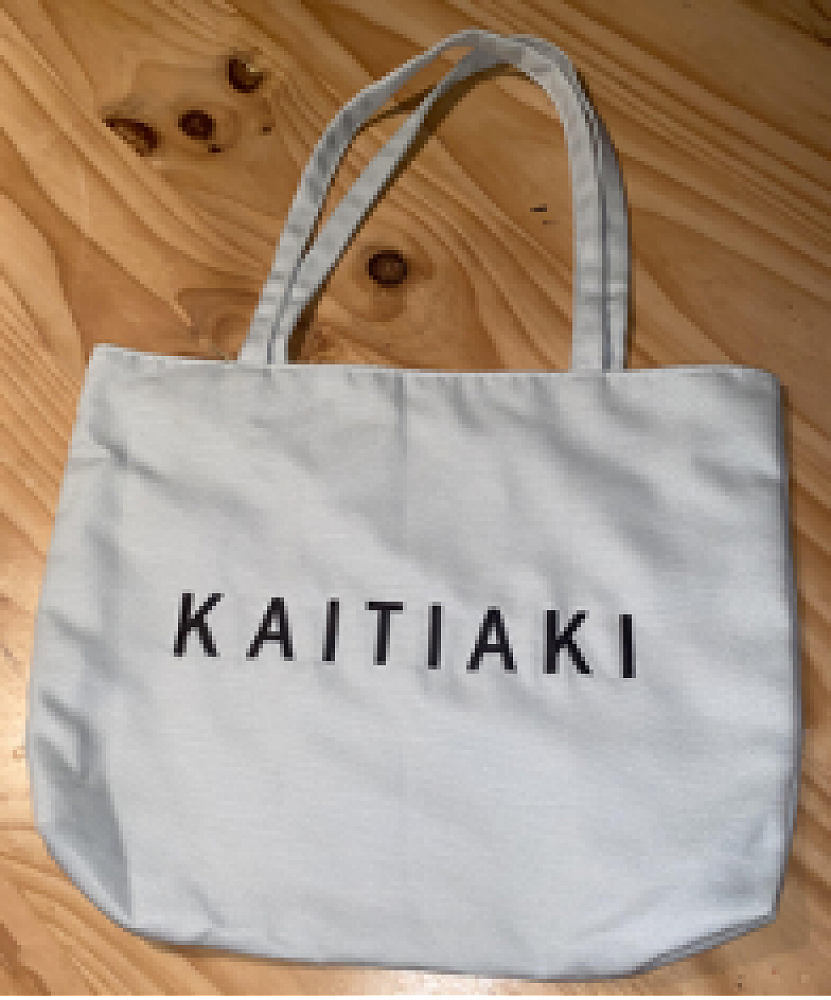
3. Kaitiaki - Our
mission was to repurpose and recycle used plastics by turning the waste into a
fully functional tote bag that is environmentally friendly and
cost-effective. We had hoped to use
plastic waste from farms but with Covid-19 disrupting manufacturing we had to
‘pivot’ and use fabric made from milk bottle tops.
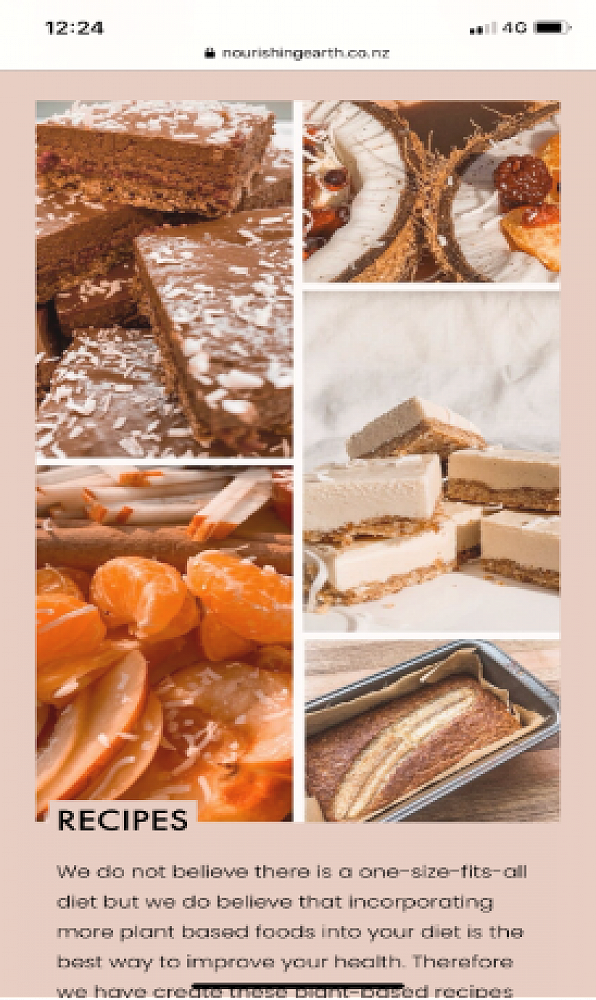
4. Nourishing Earth - To help solve the problem of people not having
easily accessible food and recipes for their restricted diets or for people
wanting to combine more plant-based foods into their diets for health benefits.
Nourishing Earth created a website for people to access a range of plant-based
recipes as nutritional information and a personal blog all in one central place
thus reducing time surfing the internet. With 15% of any profit to be donated to The Heart Foundation NZ.
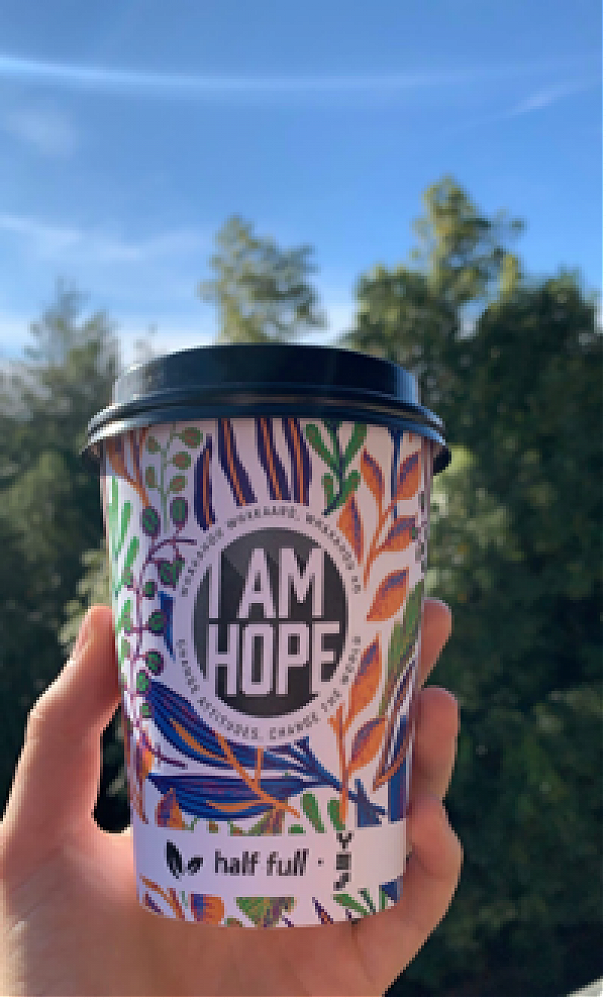
5. Half Full –The product was
a disposable coffee cup which held an uplifting design and provided a donation
to the ‘I am Hope’ charity supporting awareness around mental health.
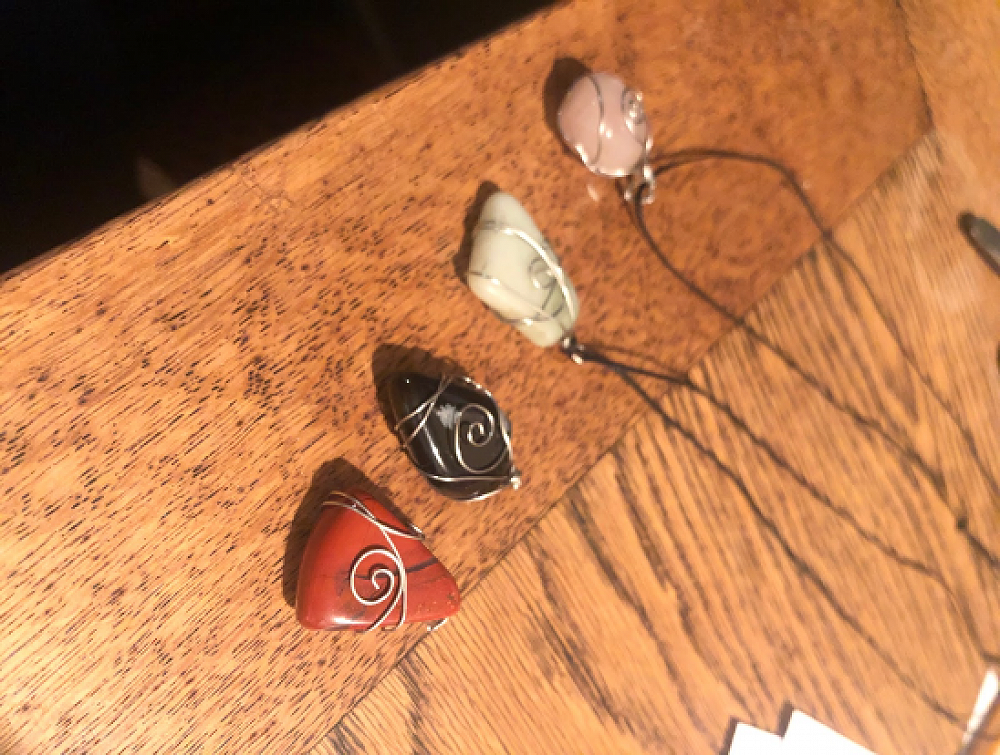
6. Osiris - As the state
of the world's global warming worsens and jewellery production is a big
contributor to this problem. Our innovation was to produce jewellery that is
100% eco-friendly. All of the materials we used are locally sourced recycled
items that either would have ended up in the landfill or are natural products
therefore not adding any extra toxins and pollutants into the earth therefore
minimising the industry's carbon footprint.
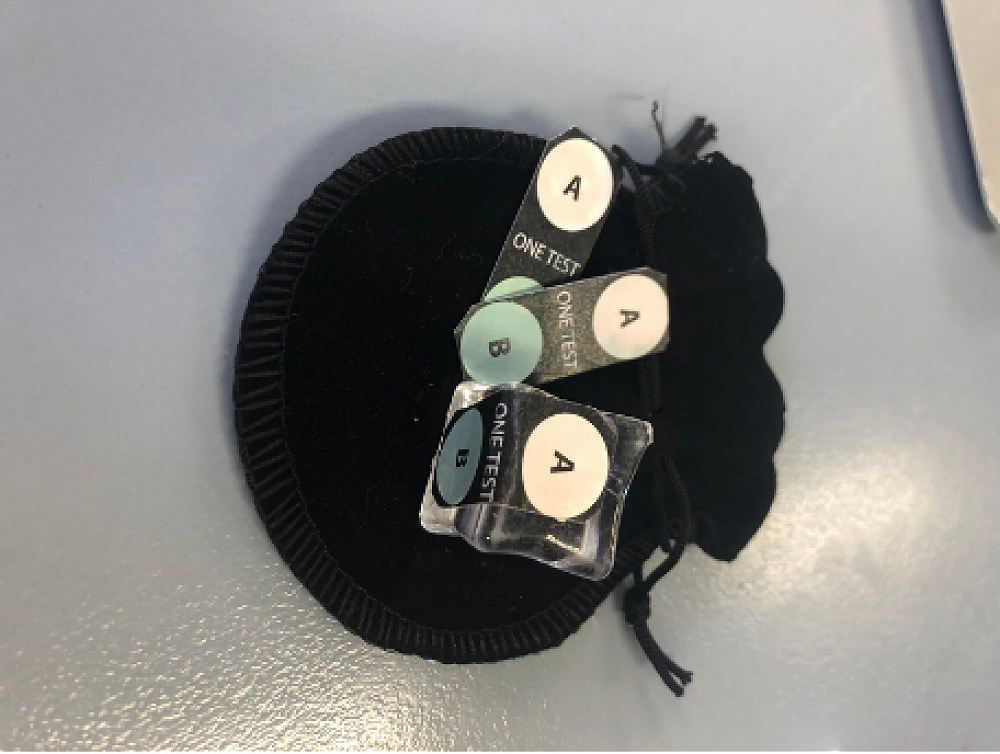
7. Soror - A large number of women are targeted each year by the use of date rape drugs. Soror set out to create a discrete, reusable product which would allow people to test their drinks for such drugs.
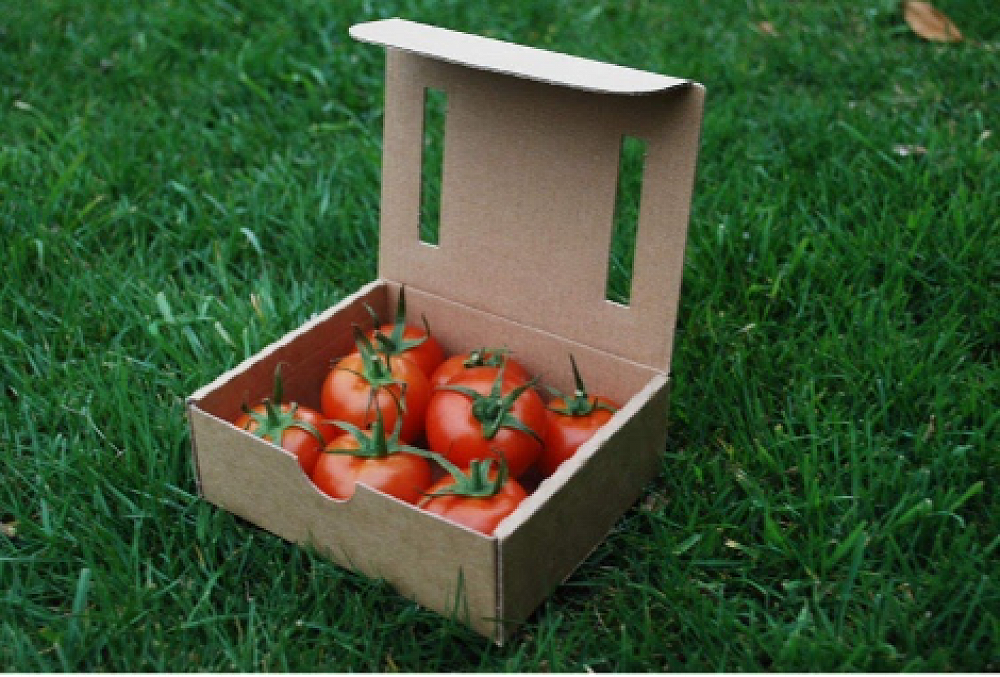
8. ComPak - we aimed to provide a solution to the ongoing problem of plastic waste in New Zealand by developing an alternative to PET plastic packaging options in fresh produce retail stores and supermarkets in New Zealand. Our goal was the packaging had to be 100% biodegradable, not using glue or plastic and compostable in home gardens. ComPak also aims to be 100% made in New Zealand at all stages of the production process.