Passchendaele: New Zealand's darkest day
"That future generations are aware of the courage and sacrifice of New Zealanders at Passchendaele and the Western Front during the First World War, which greatly influenced our sense of national identity and the development of our nation."
Excerpt from Katelyn Ellis' work, Y11 History student.
"4 October 1917 New Zealand took over Gravenstafel they made their way to Passchendaele. The amount of artillery the Allies had destroyed two of three German defense lines. This was a success for New Zealand soldiers. High ranked British officers wanted to postpone Haig’s offensive because of the battlefield conditions. This was on 9 October 1917, but Haig believed the breakthrough could be done.
Sir Douglas Haig said “the enemy is now weakened in morale and lacks the desire to fight”, 10 October 1917, this statement was misleading and wrong.
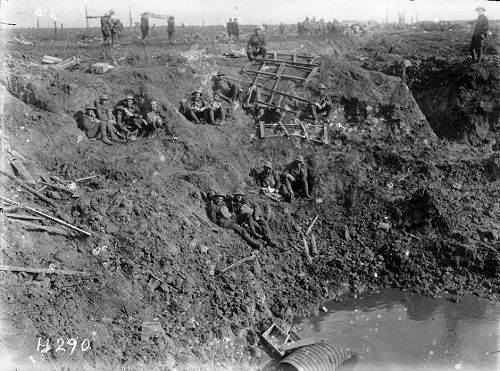
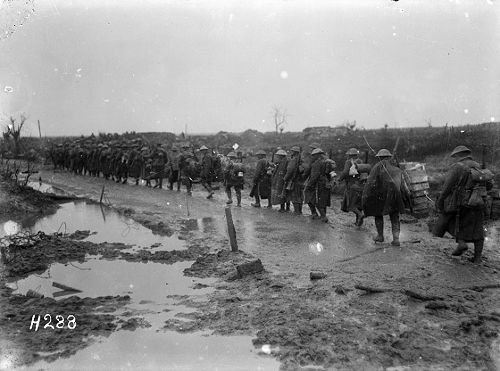
5:25 am 12 October 1917 the order was given. New Zealand soldiers opened themselves up to open gunfire to get through the Germans barbed wire and the vacuum of mud made matters worse. 842 of New Zealand's sons were killed in the very first four hours of battle. The response from the commander was to take another push but this ended up in more fatalities. The second push was later cancelled. To clear the battlefield it took two and a half days to remove the dead. 3,700 New Zealand men were either killed, wounded or missing.
12 October 1917 was New Zealand's DARKEST DAY."
Gallery