
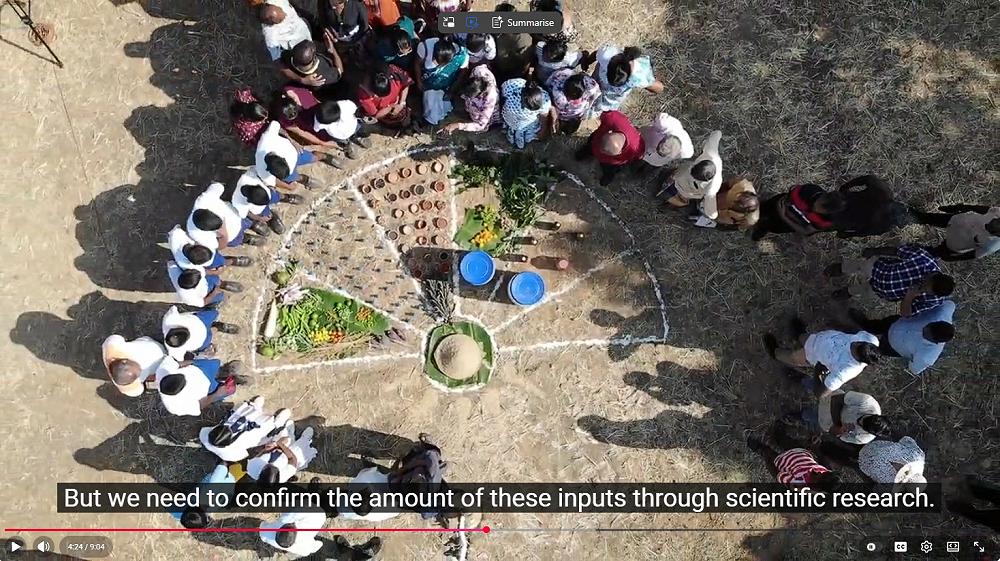
MONLAR: Exciting impact and outcomes for peasant farmers in Sri Lanka
"According to the current results, it is confirmed that there is more yield from this [vermicompost] than from chemical fertilizers" Chandana Ratnayake, Additional District Secretary (Lands), Sri Lanka.
"The soil, which has the ability to recycle, improves day by day." Terence Gamini, Chairman of MONLAR.
These men were speaking about the results from a detailed comparison study of fertilizer types on the yields of rice production in Sri Lanka. And through that analysis, vermicompost won the day. Hands down.
Vermicompost is a nutrient‑rich organic fertilizer created when earthworms break down organic waste such as food scraps, plant material, and bedding. It’s essentially the end‑product of worm digestion — often called worm castings — and is prized for improving soil structure, fertility, and microbial life.
The impact and outcomes can be heard in the excitement of Chinthaka Rajapaksha who is a moderator at MONLAR.
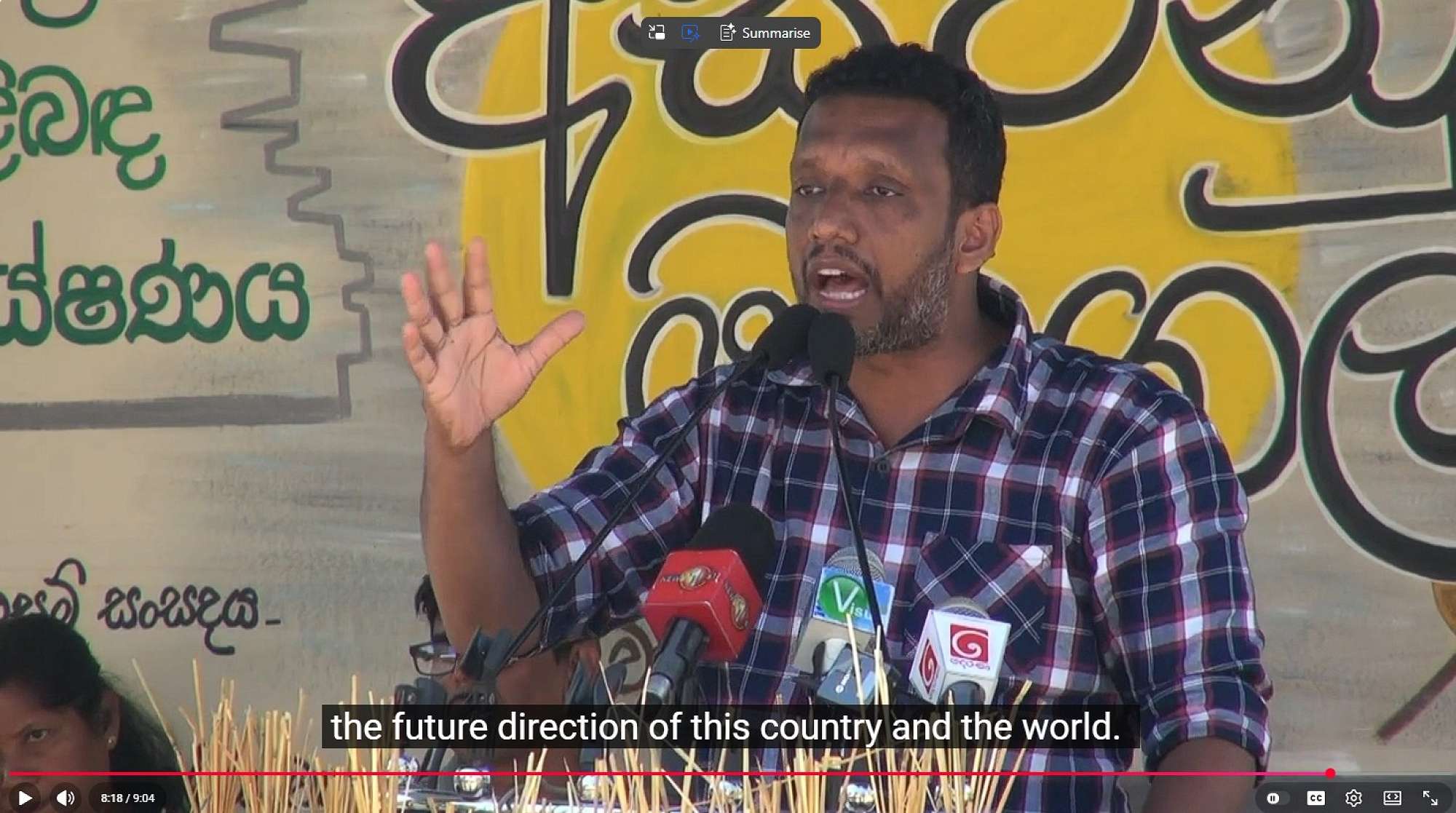
"This is not only research...What is inside this paddy field is part of a programme that will determine the future direction of this country and the world!"
Chinthaka is very excited by the results. And rightly so. With the help of funding from Christian World Service, MONLAR's agroecological farmers have increased to 3,866. These are only a small but vital portion of the 1.6 million small scale food producers in Sri Lanka who produce 80% of the country's food. Debt driven economic policies have wrecked peasants and fishers autonomy in food production and their ability to ensure food sovereignty. Chinthanka is rightly excited because he and the team at MONLAR know that the results of this study can be rapidly scaled up to bless the entire nation of 6.3 million people. And that is their intent. Such are the ways that those caught in poverty and injustice can find new hope and prosperity. Exciting stuff! Please pray for their continued success.