
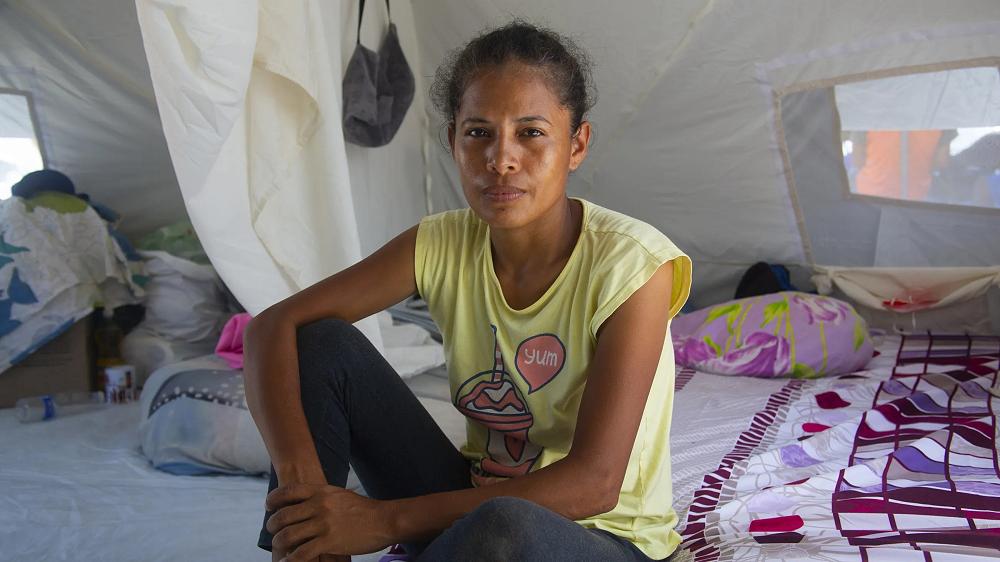
Preparedness is often not working for the world's most vulnerable
CWS: insisting on building better resilience ahead of the need for the world's most vulnerable.
Over recent decades, technology, engineering, and communications systems available in emergencies have advanced dramatically. A New Zealand company pioneered modern disaster-communications after witnessing the chaos during the 2001 Twin Towers attacks. Their rethink of how traditional systems fail under extreme pressure produced an alternative able to absorb shocks like no system before it, keeping emergency services connected when everything else collapses.
Rescue technologies now allow teams to detect signs of life deep within rubble, as seen after the devastating double earthquake in Venezuela. These innovations save lives and reflect remarkable human ingenuity.
In a robust democracy like New Zealand, Cyclone Gabrielle in 2023 showed how strong infrastructure enables rapid mobilisation, stable communications, and swift recovery. But for millions living in poverty and injustice overseas, such “ahead‑of‑the‑need” infrastructure is only partly in place, if at all. Technologies we rely on during disasters are simply not as available to people in vulnerable countries.
Pre‑Existing Conditions That Undermine Preparedness
For communities in developing countries, resilience and being prepared for disaster is not simply a matter of installing better technology or building stronger bridges. Or earthquake resiliant homes. It's all of that, certainly, but their ability to prepare for disasters is undermined by deep, long‑standing conditions that existed long before a cyclone, flood, drought, fire or earthquake.
1. Conflict and War
When a natural disaster hits a region already destabilised by war, the disaster becomes exponentially worse — not because the impact was stronger, but because the foundations of resilience were already broken.
2. Social Disorder and Fragility
Effective resilience requires social stability. Without it, disasters deepen inequality.
3. Economic Failure
When a disaster strikes, the poorest households lose everything because they had so little to begin with.
4. Political Instability and Weak Governance
Resilience requires continuity, trust, and functioning institutions — all of which are fragile in politically unstable contexts.
Pushing on: Insisting on building resilience ahead of the need
CWS supports partners who are working in places where these harsh pre‑existing conditions are everyday realities. Collectively, we (CWS and our partners) insist that better preparedness be provided to those caught in poverty and injustice. Our partners serve communities who face disasters not once every decade, but repeatedly — disasters that layer on top of one another.
Our role is clear and urgent
Help strengthen local infrastructure so homes, schools, clinics, and water systems can withstand the next disaster.
Help support community‑based disaster preparedness, including early warning systems, evacuation planning, and training of local responders.
Help build resilient livelihoods so families have savings, assets, and food security when a crisis hits.
Help ensure protection and psychosocial support for those most vulnerable during emergencies.
Help advocate for justice, before, during and after a disaster makes its impact.
As highlighted in our last newsletter, CWS does this by collaborating with trusted local partners who understand the harsh realities on the ground — partners who remain long after international agencies leave. Partners like Lutheran World Federation who we are supporting through the ACT Alliance in the aftermath of the recent double earthquake that devastated Venezuela.