Year 9 Election results are in!
Year 9 held their annual Social Studies election on Monday to conclude their Government unit.
This year, the Year 9 Social Studies classes have been learning about different systems of government and how these systems can impact people's lives. This involved a series of case studies on Myanmar, Afghanistan, and Saudi Arabia, in addition to focusing on New Zealand’s own government, both historically and today. Part of that process involved looking at what the Government does, how political parties are formed based on aligning ideologies, and how citizens vote for the party and electoral candidate they believe best represents their values.
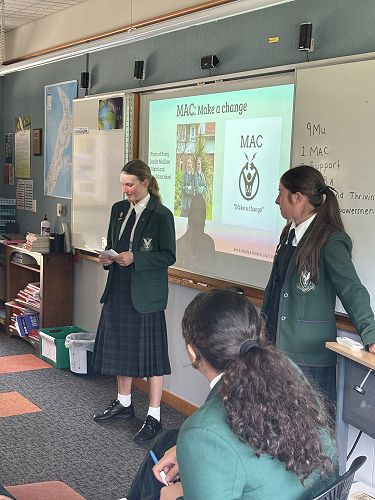
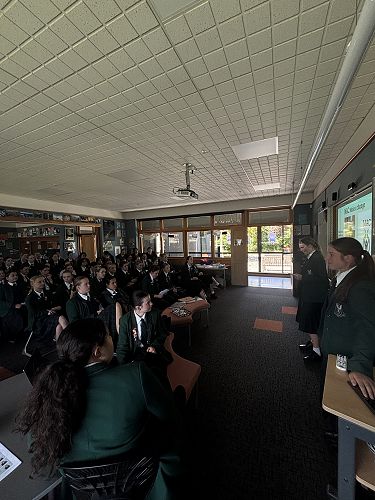
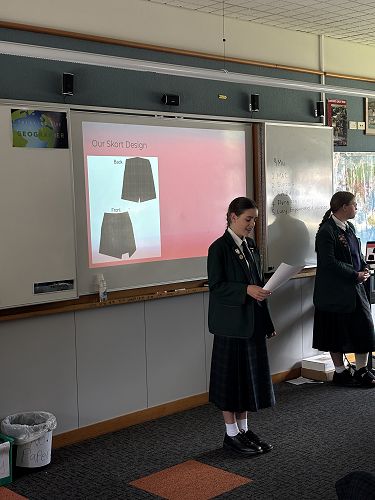
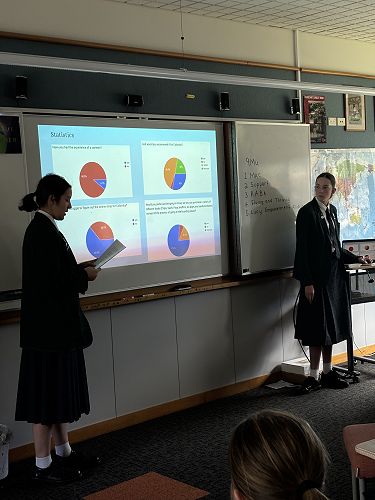
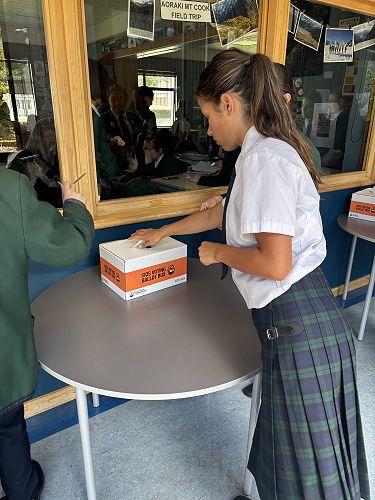
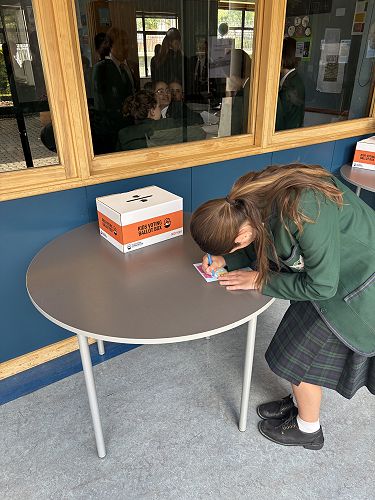
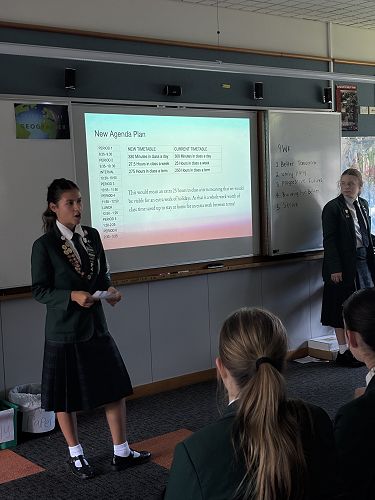
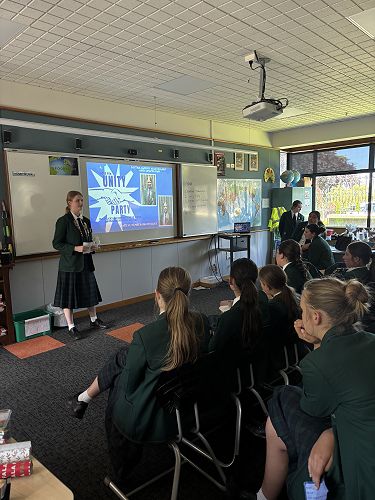
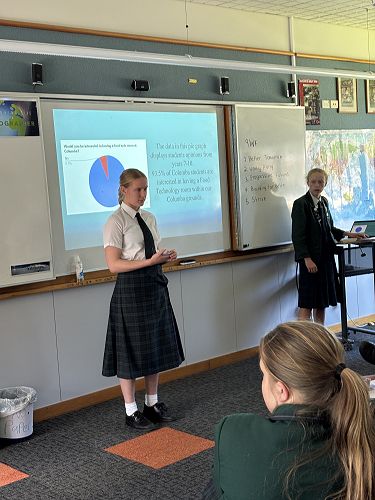
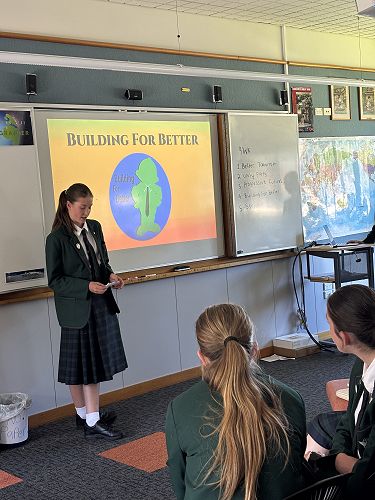
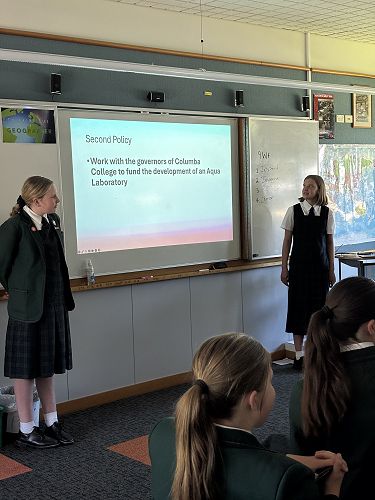
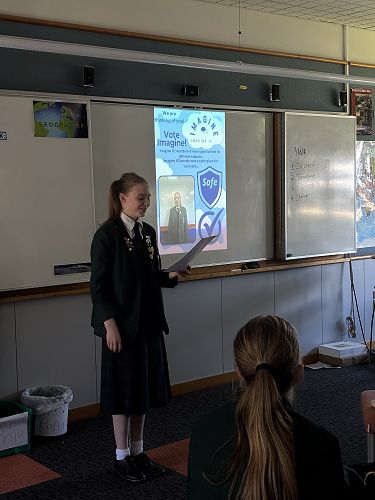
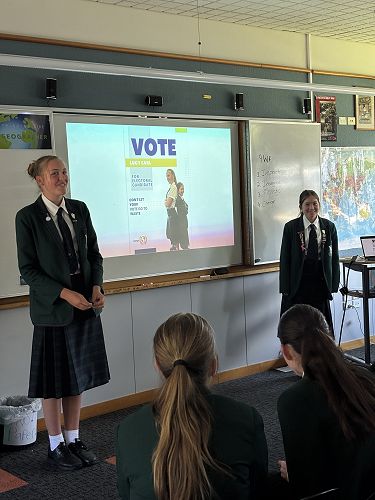
Each Year 9 class formed an electorate, with four to five parties vying for the party vote. Electoral candidates and their respective party leaders pitched two policies, one relating to Columba and one to the wider Dunedin area, all within a tight two-minute time period. There were a variety of policies brought forward, including a summer skort, a new timetable to allow for extra holidays, and introducing subjects like hard materials and food technology. The Dunedin hospital was another area of focus for the parties, in addition to revamping the city’s shopping district. Each class also had two electoral officers who organised the day, creating EasyVote cards and voting papers, in addition to making sure votes were cast privately and without influence.
Following each candidate’s speech, voters had the opportunity to ask questions about the party’s policies. Voters were most concerned about the funding for these policies and who benefited, forcing the candidates to think on their feet.
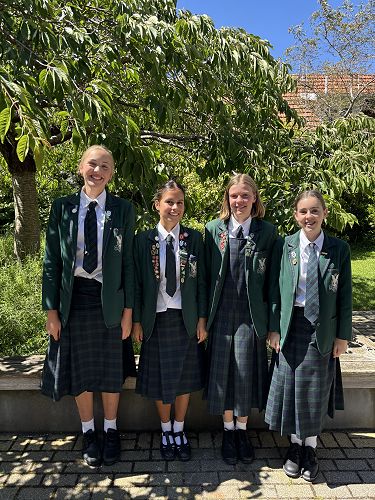
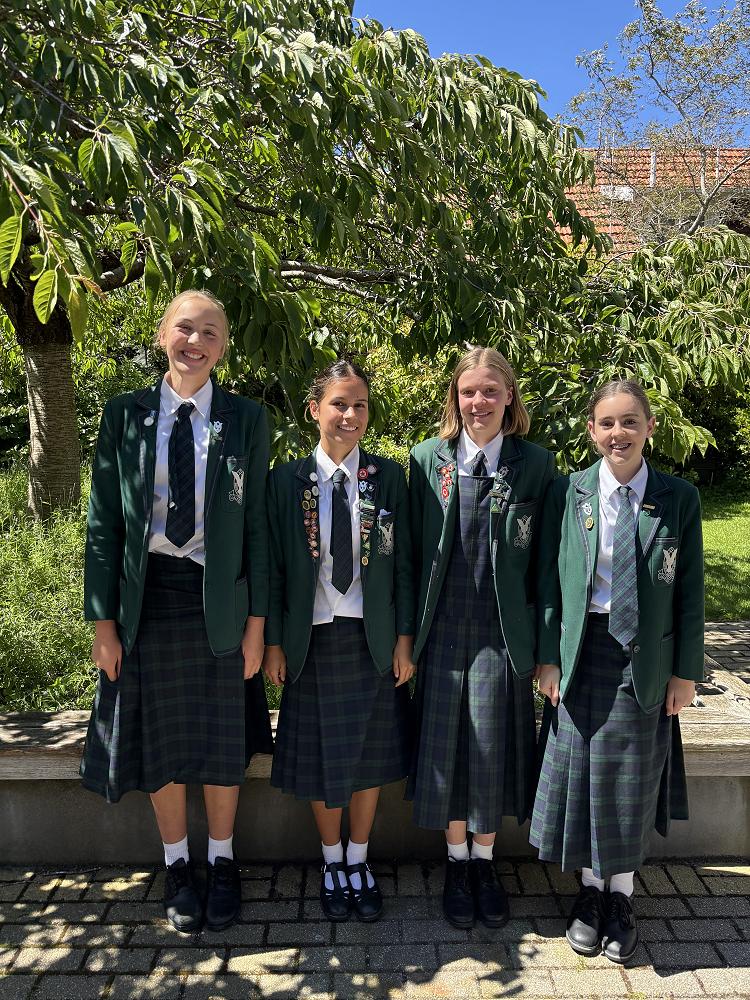
From the Wafer and Murray electorates, Daisy from Better Tomorrow and Madie from the Support party secured a majority win. From the Gerrand electorate, Lucy from Change won the electoral seat, while Impact, represented locally by candidate Annabelle, took the party vote.
Overall, the election was a fantastic way to end the school year and consolidate learning. The Social Studies staff were beyond impressed with the calibre of the speeches, the high level of engagement from all, and the all round supportive atmosphere. We certainly have some promising future politicians and change-makers in our midst! A special thank you must also go to our Electoral Officers who put in the extra time and effort behind the scenes to ensure the day was a success.
Gallery