
Photo by Stephen Harrison
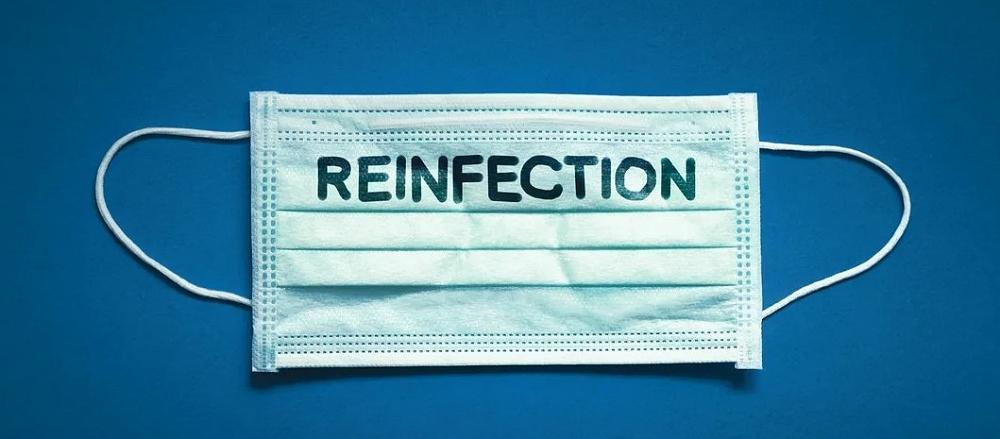
COVID Reinfection or Continued Infection
Public health advice is that:
- Current evidence shows the chance of having COVID-19 again within 90 days of a first infection is low, especially if it is the same variant – but it can happen.
- Reinfection within 28 days is considered exceptionally unlikely.
- COVID-19 like symptoms may be caused by other infections like the common cold, flu or a chest infection.
- Reinfection does not generally cause serious illness for most people but a diagnosis of reinfection with COVID-19 can be important for older people, people who have high risk conditions, or people who have frequent close contact with vulnerable people.
- People who are low health risk and have symptoms consistent with COVID-19 within 90 days of a COVID-19 diagnosis should stay home and recover until 24 hours after symptoms resolve. They are not required to take a RAT. However, if they become increasingly ill, they should call their GP or Healthline.
- People with underlying health conditions or anyone who has worsening symptoms should seek advice from a health practitioner or Healthline on 0800 358 5453. A RAT or PCR test may be recommended.
- We know that people can continue to test positive after their recovery but are very unlikely to be infectious after day 10. Retesting during the initial 28-day period is not necessary unless recommended by a health professional.
- If you become unwell more than 90 days after a COVID-19 infection you should follow the same advice as for a first infection. That is, seek advice about getting tested.
Further information on catching COVID-19 again is available on the Ministry of Health website.