

Touchstones
During 2015 the Year 2 and 3 children in Room 6 at Cromwell Primary School researched the names given to their school houses—Nevis, Bendigo, Carrick and Molyneux. They wanted to find out why the locations were significant to their school, and discover more about their Tūrangawaewae (standing place). They designed patterns which symbolised the history and physical characteristics of each area and painted the designs onto each ‘touch stone’. A ‘touch stone’ was then made for each location and placed there to create a connection with the site. We hope you enjoy discovering our ‘touch stones’ and our Tūrangawaewae.
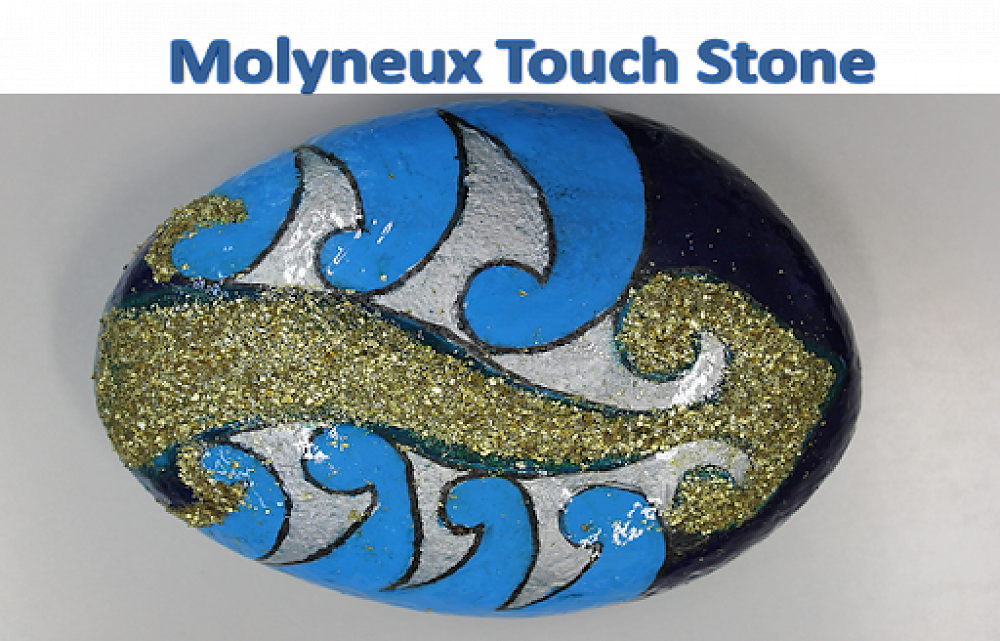
The Molyneux touch stone has been placed at the meeting of the two rivers ‘The Junction Lookout.’ Molyneux comes from the name which was originally given to the Clutha River. The Clutha River is the river which flows from Wanaka into Lake Dunstan and continues out to the Pacific Ocean. Captain Cook named the river Molyneux after one of his crew members, when he discovered the river meeting the sea at Balclutha. Captain Cook is the man who with his crew discovered New Zealand, so naming a river close to us is quite special. Although some historians have disputed that Captain Cook named the river, it is locally accepted that he did. We think it’s a good reason to have a school house called Molyneux.
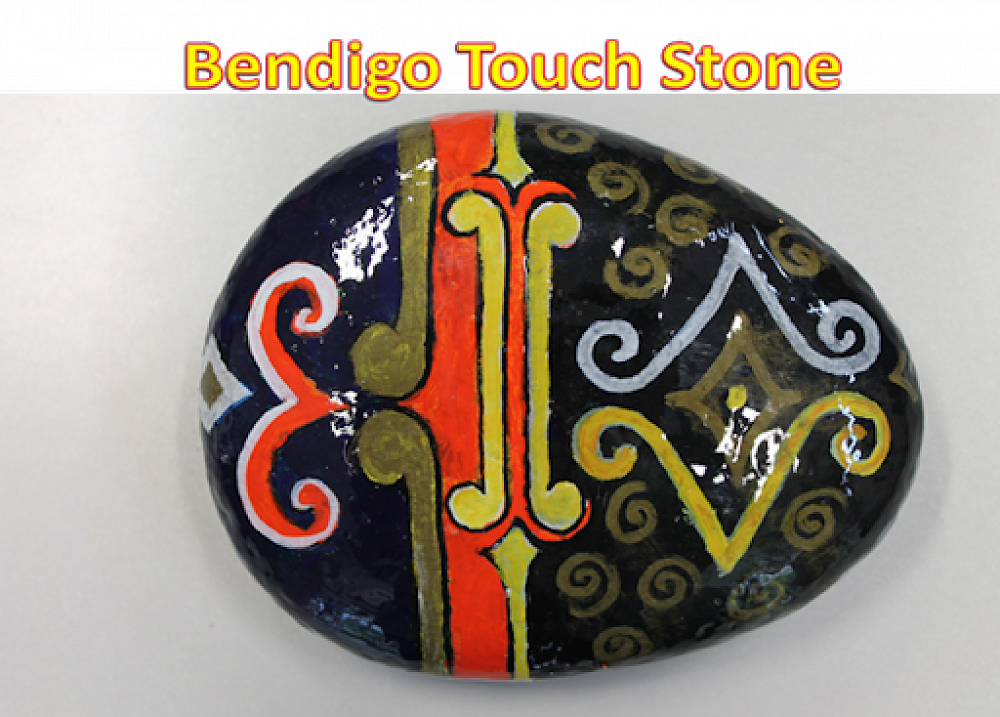
The Bendigo touch stone has been placed by the Bendigo School Site sign at the entrance to the remains of the school site. The school site is on the way up to the Bendigo Reserve and Welshtown. The last
Bendigo school was closed in 1914. We discovered that Bendigo got its name from Bendigo, a gold mining area in Australia. Bendigo was famous for its quartz and gold mining and over 500 people lived at Welshtown during the gold rush. There are amazing deep shafts, the Matilda Stamping Battery and old buildings to still enjoy wandering amongst.
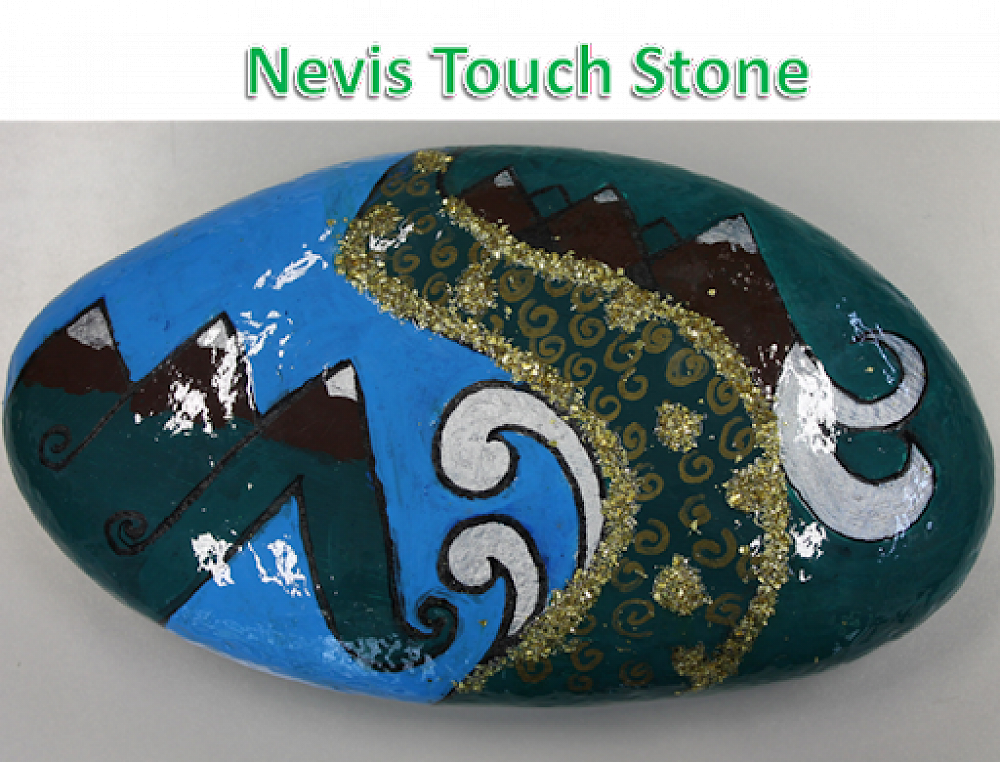
The Nevis touch stone has been placed in the Nevis Valley at the site of the old Post Office. The Nevis was another famous quartz and gold mining area. Many gold dredges were used on the rivers. Coal was also taken from the Nevis. Nevis was named after Ben Nevis in Scotland.
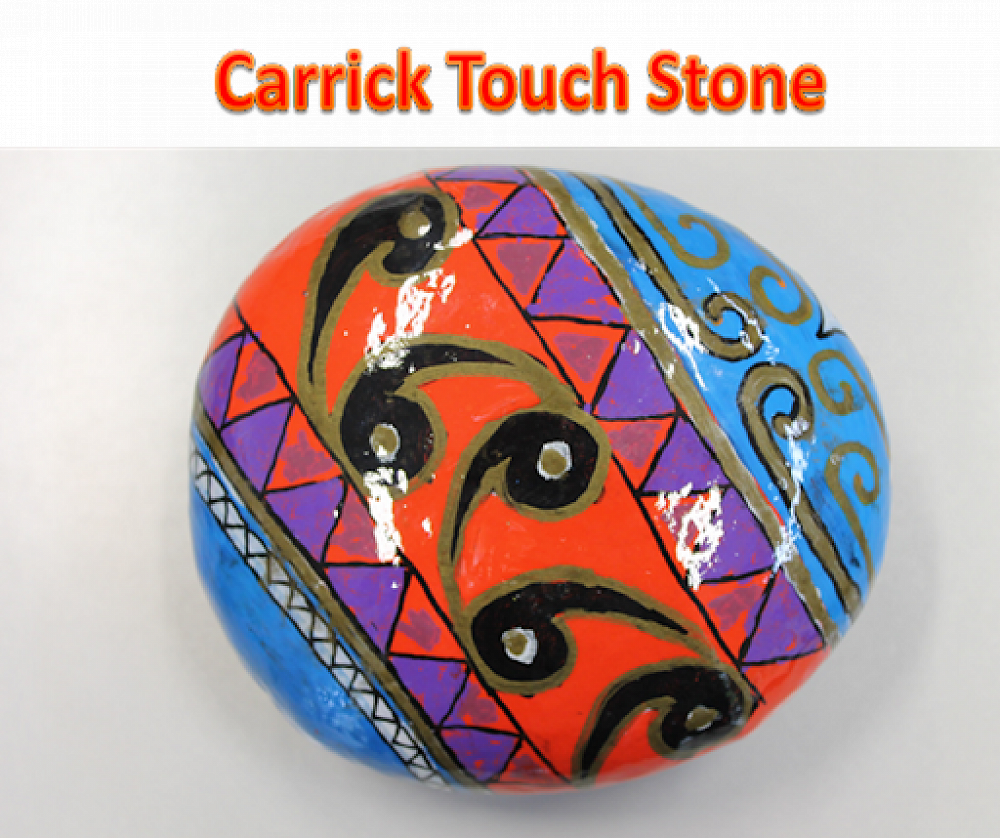
The Carrick touch stone is placed at what is commonly called the Duffer Saddle. If you stop approximately 100m before the last cattle stop, gate and DOC kiosk, there is a large mound of rocks to the north and a roadway formed off the Nevis Road, which continues behind the rocks. The touch stone is visible from the Nevis Road in front of the large rocks (Once you know where to look!). It’s probably our most challenging touch stone to discover.
Carrick was another famous mining area – for gold and quartz mining. Carrick got its name from a Scottish man called Alexander Carrick. Alexander Carrick become well known for having walked from Dunedin to the Carrick Range. The Carrick water race used during the gold rush era was dug by hand. The Carrick area was a harsh and tough place to live and work during the winter. There is a water wheel and stamping battery still left at Carrick from the gold mining days.