Technology Innovation in the Tourism Industry
Using technology to help your tourism business is not just about expensive gadgets like wrist-worn guidebooks, or tablets provided to every customer. There are simple changes that even small businesses can make to take advantage of technology innovations.
Technology and tourism is becoming intertwined. For example the average traveller visits about 22 travel related websites prior to booking a holiday (source: trendreports.com).
It's common knowledge that online tools have changed the face of the tourism industry. The appearance of third-party online travel sites such as Expedia and TripAdvisor, better communications via online tools such as social media and chat services and the provision of 24/7 service such as booking tools and real-time webcams have all helped the customer become better informed and more engaged.
However, technology is not just for the 'big players'. Even small businesses can take advantage of technology innovations to help grow their business and stay competitive.
Consider the following:
Mobile Technology
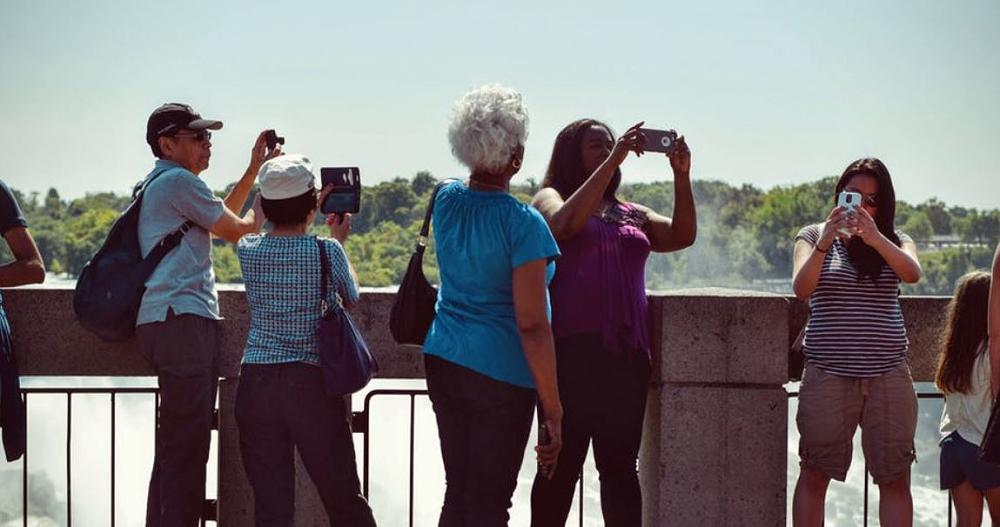
Travellers are using mobile technology to be more spontaneous. It wasn't that long ago that most travellers would have their accommodation pre-booked, often months in advance. These days leisure travellers often book their accommodation only a few days in advance, using mobile devices such as smart phones. In fact, 70% of business travellers will check into their flights and hotels via their mobile devices (source: trendreports.com).
Therefore it's really important that your business has a website that is easily viewed on mobile devices (see Responsive Web Design).
User Generated Content
User generated content (UGC) is influencing decisions about the products or services that consumers buy. UGC is the pictures, tweets, videos, blogs posts, that others say about your product or service.
In tourism, having your customers post a pic of their amazing meal, or tweet about the fantastic experience you gave them is 'marketing gold'. Savvy businesses actively encourage this user generated content - click here to learn how you can too.
Virtual Globetrotting
Virtual tourism has allowed people to 'see the world' without leaving the comfort of their own home, or spending a cent. This allows people to get excited about a destination or service, and want a taste of the real thing. It also allows potential travellers to be more confident about what they are booking.
Virtual tourism can add to an experience. For example the iTacitus project in the EU is using augmented reality to create mobile phone 'time machines' which show certain locations as they would have appeared centuries ago.
Another example of virtual tourism is pantography - the use of panoramic imaging can create amazing 3D images. You can show potential customers exactly what the difference between a studio unit and your one bedroom unit 'feels' like. Or you can take them on a virtual tour of your cafe, boat, grounds or the beach near your resort.
Tourism Apps
It seems that there are so many apps around these days and the tourism industry is no exception. Apps are available for everything from completing bookings, finding public toilets, and guiding tourists through local attractions. The move now is towards apps that combine multiple services into a single platform for maximum convenience, such as concierge apps like Bellhop or personal travel guides like NZ's Skoot.
Social Media
Used well, social media can have a considerable impact on a business. However it can be challenging for businesses to know where to start. We recommend finding out which social media platform your customers are likely to be on and starting there. One social media site operated well will be much more successful than multiple sites operating poorly.
To help you get going, take a look at the following articles; Quick guide to using Social Media, Overview of Social Media Channels, and How to Develop a Social Media Plan.
Self-Service Technology
From checking into a hotel, booking a tour online, to scanning an item in-store to check it's price, self service options are available for those who don't like to wait and don't need to interact with a person. Self-service is becoming ubiquitous and an important option to offer customers.
In our Self-Service Technology article we investigate whether you should consider it for your business.
Online Reviews
Whether we are using Trip Advisor to choose a hotel accommodation, or looking at a blog site to read opinions on the latest technology gadget, we are increasingly influenced by what others say. With or without your endorsement customers will always talk about you and place feedback on sites like TripAdvisor, Google+, Bookings.com, and Wotif.com.
Reviews are generally great for your business. They can; attract more customers, let you know what needs to be focused on or improved, and even a bad review can have a positive impact if handled in the right way.
Check out our articles on Online Ratings and Reviews and Turning Negatives into Positives - Managing Bad Reviews to learn more about how online reviews can help your business.
Providing free WiFi
For business owners in the hospitality industry free WiFi has been shown to bring more customers in, they stay longer and of course spend more money. Given that many tourists travel with a smart phone or mobile device and use it to book the next leg of their trip, the expectation that businesses provide free WiFi is extending beyond those in hospitality. Check out these pointers if you are wondering whether you should provide free WiFi to your customers.
Online Advertising Campaigns
Have you ever browsed a tropical destination online and then for weeks notice online ads for accommodation and holiday packages for that location? Online adverts have got very sophisticated and can now target those who have expressed an interest in a product or service (also known as remarketing).
We recommend that if you are considering online ads for your business then develop an online advertising campaign - it's not as complicated as it sounds. Check out Online Advertising Campaigns.
Having images on your website that are attractive and engaging is vital to make a good impression on potential customers. Great images and video content that display your products/services in a beautiful way is one of the simplest ways to promote your brand. These can also be shared on your social media sites. Check out Finding Great Images to use Online and Create Video content to help you get started.
Online Bookings
The ability to book online is becoming almost essential in the tourism sector. If customers can book your offerings online, your website
will be working for you 24 hours a day, 7 days a week. People will use
your website to learn and get excited about about your service,
research it, and book online - in one location and at a time that suits the customer -
ensuring you can 'strike while the iron is hot'. If you don't provide the functionality for booking online you are potentially missing out on revenue. Check out Why tourists should be able to book online for more info.
Want to know more?
If you have any questions or need advice, you can get in touch with the Digital Journey team at hello@digitaljourney.org.
Digital Journey works with individuals, businesses and organisations of all types across New Zealand. We provide FREE online digital assessments and resources, as well as training, coaching and project management services.
Our vision is to help everyone get the most out of the Internet, online tools and digital technology. Find out more at www.digitaljourney.org.