Keeping Churches Open - and Safe
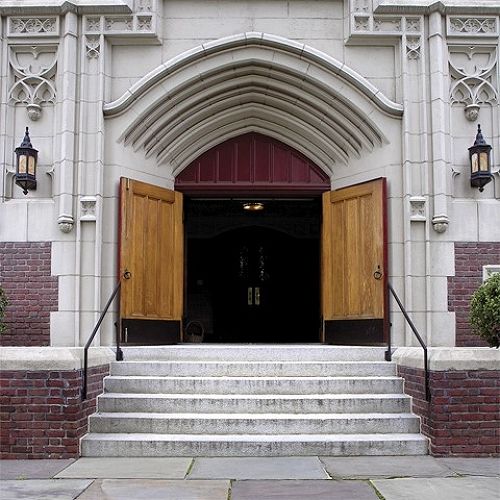
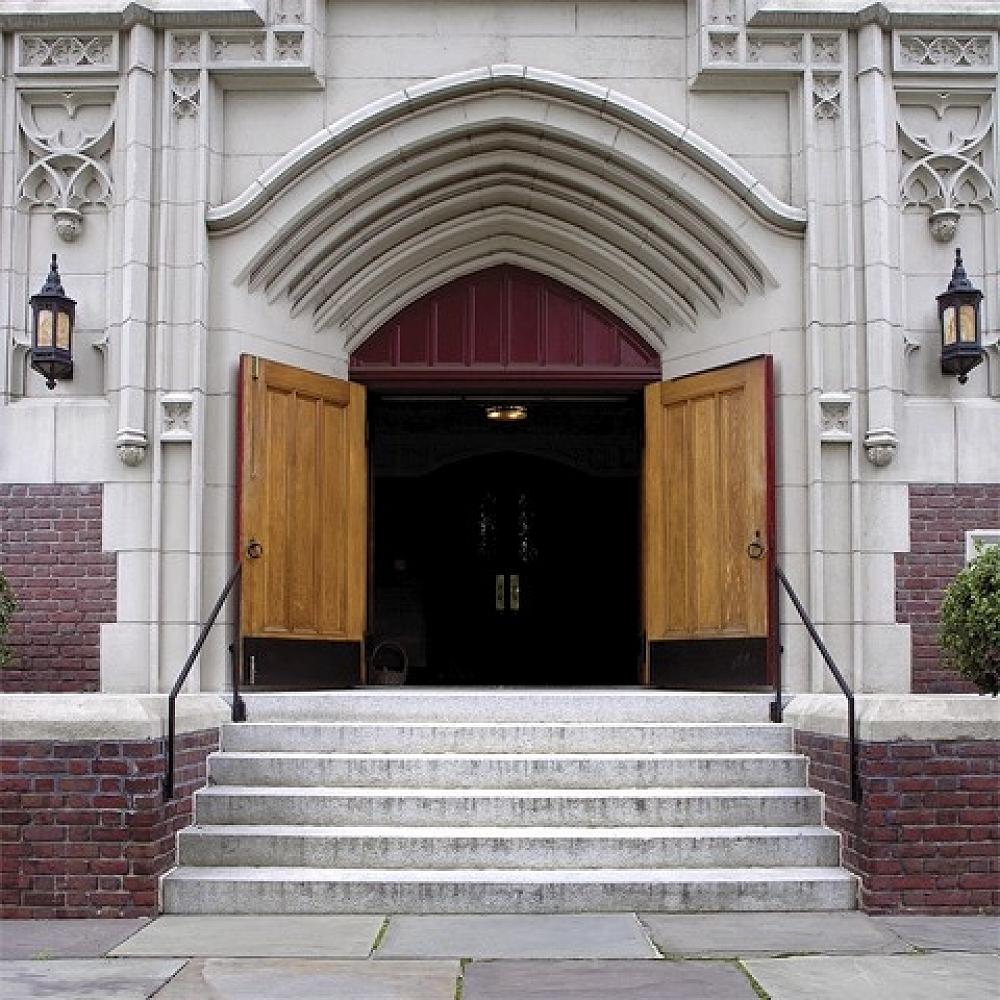
Many of our churches remain open during the day as places of peace, prayer, and hospitality. This openness is part of our Anglican witness — but it comes with responsibilities.
It’s important to ensure our buildings, contents, and visitors are safe, and that we can demonstrate reasonable care if anything happens. We’ve gathered a few reminders and resources to help you plan wisely and review your local approach.
Balancing Welcome and Security
Keeping a church unlocked can be a gift to your community, provided sensible precautions are in place. Consider:
Visibility and awareness: Are local residents or parishioners aware the church is open? Could you have a simple roster for people to check in during the day?
Timing: Is the building open only in daylight hours, or are there times when it’s left unattended?
Valuables: Keep precious or irreplaceable items secure, or replace them with less valuable alternatives when the church is unattended.
Records: Maintain a visitor or prayer book to note when people have been in the building.
Safety: Check for hazards such as uneven floors or open access to cleaning products, ladders, or storage areas.
Fire prevention: Ensure no matches, lighters, or unattended candles are left available. If you offer a prayer-lighting space, consider safe non-flammable alternatives such as LED candles or symbolic prayer (suggestions around these alternatives are attached below).
These steps demonstrate that “reasonable precautions” are being taken — a key expectation of insurers and good health and safety practice.
Risk Assessment and Record Keeping
Your Health and Safety Officer or Vestry can use the Risk Management Assessment Chart (Section 12b) to help identify and reduce potential risks.
This includes looking at how isolated your building is, what hazards visitors might encounter, and what can be done to make it safer.
Keeping a copy of your completed risk-assessment plan in your faith community records (and sharing a copy with the Diocesan Office) provides clear evidence that precautions have been considered.
You can also use the All Churches Loss Prevention Checklist (attached below) or your local audit form as an annual review tool.
Responding to Particular Situations
If you discover someone attempting to sleep in the church overnight, respond with compassion and safety in mind.
Ensure the person is safe and supported where possible, but remember that churches are not equipped for overnight accommodation unless authorised.
If the situation persists, consider contacting local social-support agencies for guidance.
Always check the church before locking up and document any concerns.
A Simple Principle
The guiding idea is not to close churches, but to ensure that openness is accompanied by care. Regular checks, thoughtful layout, and clear records protect both people and property — and ensure that your welcome remains warm, safe, and sustainable.
For templates, sample risk-assessment charts, or safe-candle resources, visit the Health & Safety section of the Diocesan website or contact the Diocesan Registrar for advice.
Footnote:
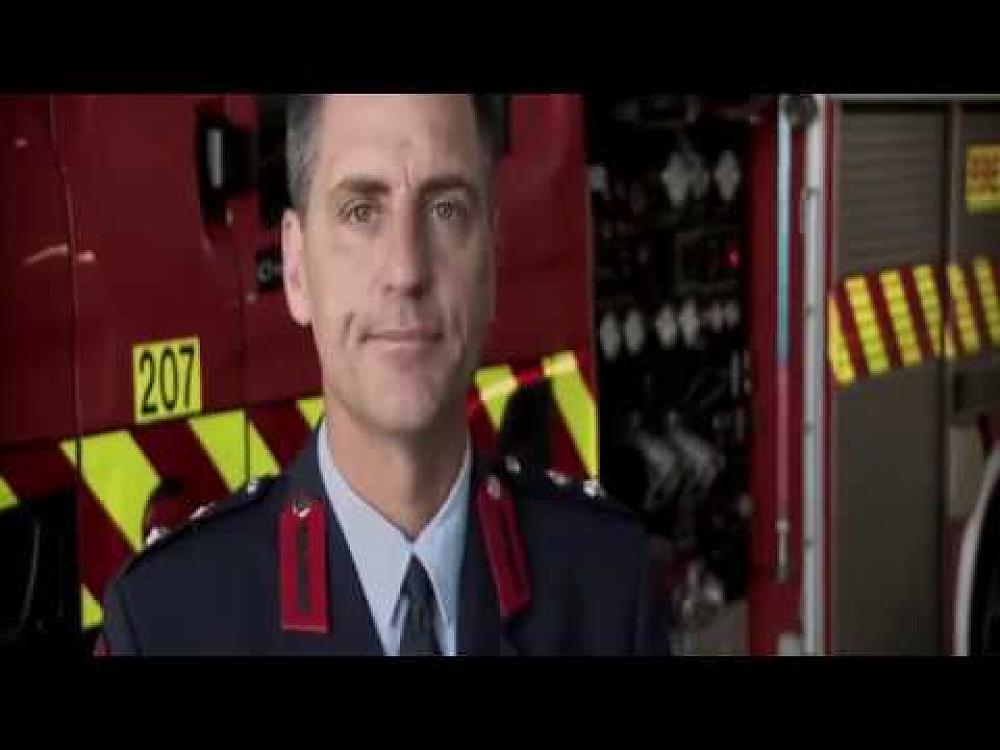
Have a look at a video we have around risk of arson in churches and how take reasonable measures to reduce this risk.
Artificial Intelligence (AI) was used to help edit this article.
Gallery