

Parihaka Day 5 November
Tomorrow is Parihaka day…and you may want to remember this day in your faith community as part of an acknowledgment of our history in Aotearoa-New Zealand, including attending a Dawn Service in Dunedin...
Parihaka Gathering 2024 |
Parihaka Day Ōtepoti-Dunedin commemoration Tuesday 5th NovemberHe hōnore, he korōria, maungārongo ki te whenua! November 5th 2024marks 143 years since government troops and militia invaded the settlement of Parihaka. This year, we once again commemorate Parihaka as we continue to uphold the legacy of Te Whiti-o-Rongomai and Tohu Kākahi and acknowledge the sad, but special connection between Taranaki and Ōtepoti. You are warmly invited to join us for a dawn ceremony: The kaupapa for this brief hui is remembrance and reflection, and this gathering is not a time for protest. As a symbol of peace, a raukura mā (white feather) will be handed to everyone on arrival. A koha will be taken and presented to Dunedin Night Shelter |
Some History...
In the unsettled political situation of the 1860s, thousands of Māori from throughout the country sought refuge at Parihaka, in Southern Taranaki.
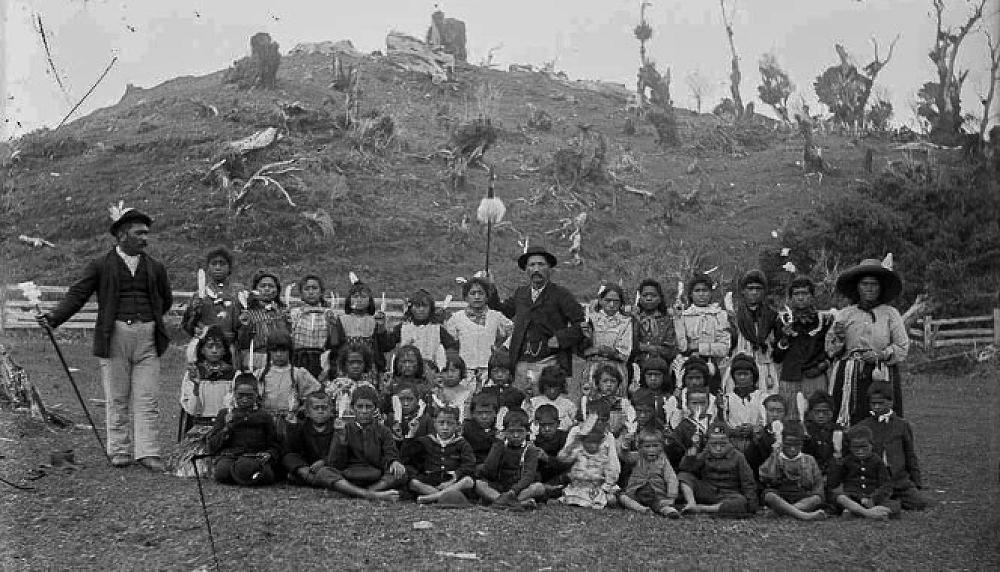
There they joined the charismatic leaders, Tohu Kakāhi and Te Whiti o Rongomai. All were welcomed, not on the basis of whakapapa, but on the condition that they followed the kaupapa of non-violence, summarized in their reference to the biblical announcement of Christ’s birth: Glory to God, Peace on Earth and Goodwill to all Peoples. As the thriving self-sustaining community grew, it utilized a strategy of passive resistance to oppose the Crown’s efforts to purchase land for Pākehā settlement.
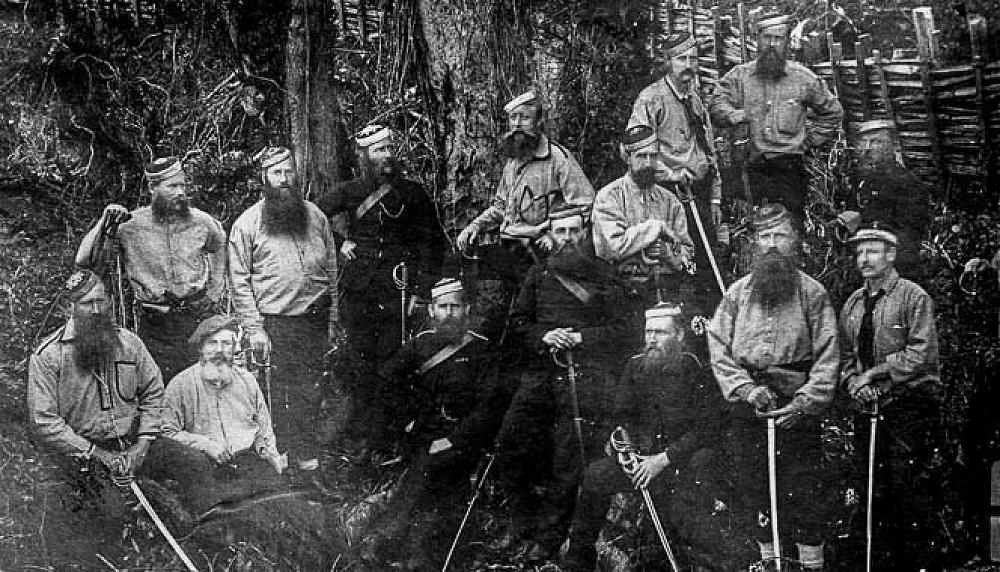
On 5th November 1881 the Government sent 1500 troops to the village in order to arrest the leaders and to curb the “rebellion” of their followers. The soldiers were greeted by children, who came out skipping and offering food and drink. Hundreds of the Parihaka men, including the two prophets, were arrested and imprisoned without trial. It was several years before they returned and many died as a result of their incarceration. Thus began a five year military occupation of the Pa – which included the destruction of houses and crops and the rape of many women, and outbreak of syphilis, and non-Taranaki Māori were ordered to return to their home districts. The final insult was the confiscation of Parihaka land which effectively left the community without an economic base – a situation that continues into the present day.
In order to commemorate the remarkable achievements of Parihaka, a flax-roots movement is (still) calling for the national recognition of November 5th as Parihaka Day. This idea continues to gain momentum throughout the country.
For a comprehensive lecture about this time in our history, watch the video below:
See also: https://natlib.govt.nz/blog/posts/remembering-parihaka