
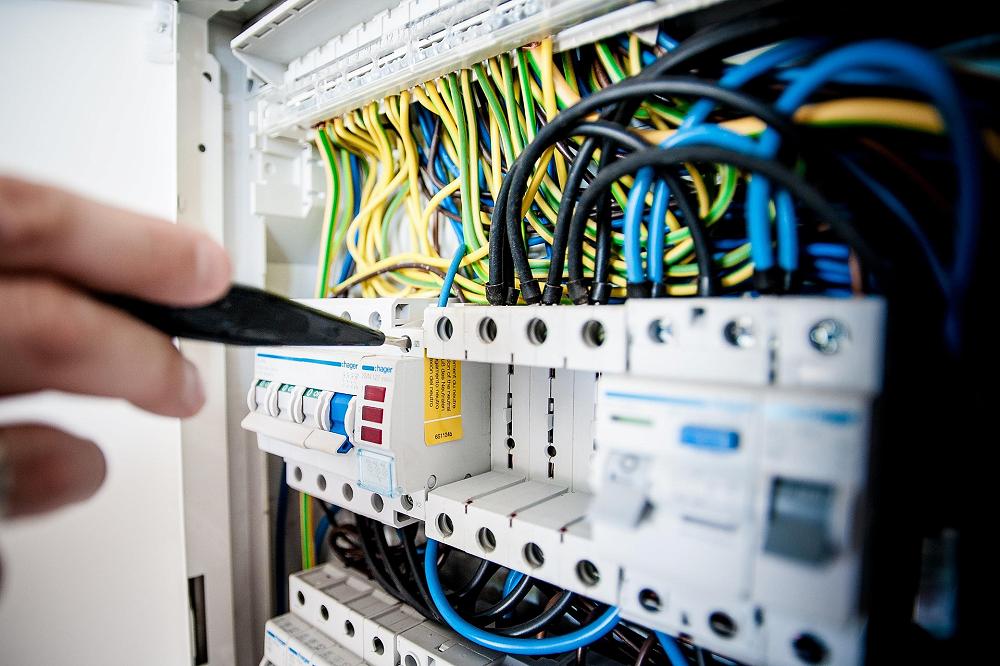
Electrical & Other Safety — Keeping Your Church Secure and Compliant in NZ
How can you be certain that your electrical systems, appliances, and general facilities are safe—while staying compliant, visible, and not overwhelming volunteers?
In our annual Health and Safety Loss Prevention Annual Audit we can see that getting electrical checks done is challenging, along with other safety essentials.
The Audit for 2025 showed only 36% of faith communities had a certified electrician inspect switchboards in the past year and just 15% have tested and tagged electrical appliances. We have checked this out further, and some electrical testing advice follows:
1. What's Required — Legally vs Recommended in NZ
Electrical Inspections
Mandatory: Any new or prescribed electrical work (wiring, switchboard changes, repairs, etc.) must be carried out and certified by a licensed electrician, with a Certificate of Compliance issued and retained in your church records. (See New Zealand legislation )
Recommended (and insurer-encouraged): A full electrical inspection of the installation (switchboards, wiring, fuseboards) every 5 years, performed by a registered electrician, with date labels visible on switchgear.
Test & Tag for Portable Appliances
Not legally mandatory, but strongly advised: Keep appliances safe and demonstrate due care by testing and tagging portable devices annually, or more often if the environment is high risk (e.g., damp conditions or frequent usage).
Under the AS/NZS 3760 standard, frequency should reflect use conditions:
Construction sites: every 3 months
Workshops/factories: every 6 months
Offices/church halls: annually or up to 5 years in low-risk environments
Routine 6-Month Self-Checks (Visual Inspection)
Apply every 6 months (or annually if usage is low): check for
frayed leads, faulty lights, damaged sockets
permanently plugged-in extension leads
uncovered fuse boards
protective guards on low-level heaters—or lack of signage
These can be done by non-electricians but should be recorded and acted on.
Residual Current Device (RCD) Safety
RCD protection is mandatory for new circuits supplying lighting or sockets (since 2003), providing essential protection against electric shocks. It’s a safety switch designed to quickly cut off electricity if it detects that current is “leaking” to earth — for example, through a faulty appliance, damaged wiring, or even through a person receiving an electric shock.
2. Security & Common Hazards
Ensure your premises look occupied and cared for, including maintaining curtains (not drawn too tightly) and make sure you have a sensible key register or secure key storage (no guessable lockbox key codes!)
In rural areas where cash handling is unavoidable, it's acceptable for someone to securely take small amounts off-site. (see advice from the Methodist Church in NZ)
3. Improved Safety Checklist Format (6-Month & Annual)
We have included a new Electrical Safety checklist (attached) that churches can realistically maintain:
A. Quick Overview (one page front)
Gives space to note when tests were completed (electrical inspections, appliances test and tag.
B. Six-Month Visual Self-Check List
Appliance leads — frayed?
Lights — flicker or broken?
Sockets — loose or cracked?
Fuse board — covers/switches intact?
Extension leads — used as permanent wiring?
Low-level heaters — guards/signage present?
RCD (if fitted) — test button works?
C. Annual or Less Frequent Checks
Electrical installation inspection — by a licensed electrician (with certificate)
Full appliance Test & Tag — portable devices only
Physical security & hazard review — curtains, key register, external entry points (e.g., louvre windows), signage
4. Balancing Safety with Practicality
Small churches don’t need to run complex systems. This approach using a checklist keeps it manageable.
Encourage shared responsibility: split the tasks among those who can do this.
Pair safety checks with church gatherings or meetings — e.g. “Let’s spend 10 minutes checking appliances while we’re here.”
Heating Hazards
The 2025 Audit indicated that 62% of low-level heaters do not have protective guards, and only 31% of churches have signage near low heaters.
We have a template for signs that point out common hazards, including low level heaters (a copy is also attached below). This is part of a general notice that identifies where first aid box is, building exits, what to do in an emergency… and any potential hazards for smaller children.
We also have a template for a Low Level Hot Device Safety Notice.
Help could be on the way...
Please consider all of the above at your Vestry or Committee meeting, and get in touch if there is anything we can help with, for example, some laminated signage for your premises. Contact us also if you would like a few smoke-vape free signs to display in your church premises - they are a good reminder that our spaces need to be known as safe from unwanted second hand air!
Artificial Intelligence (AI) was used to help edit this article.