Finding the Words
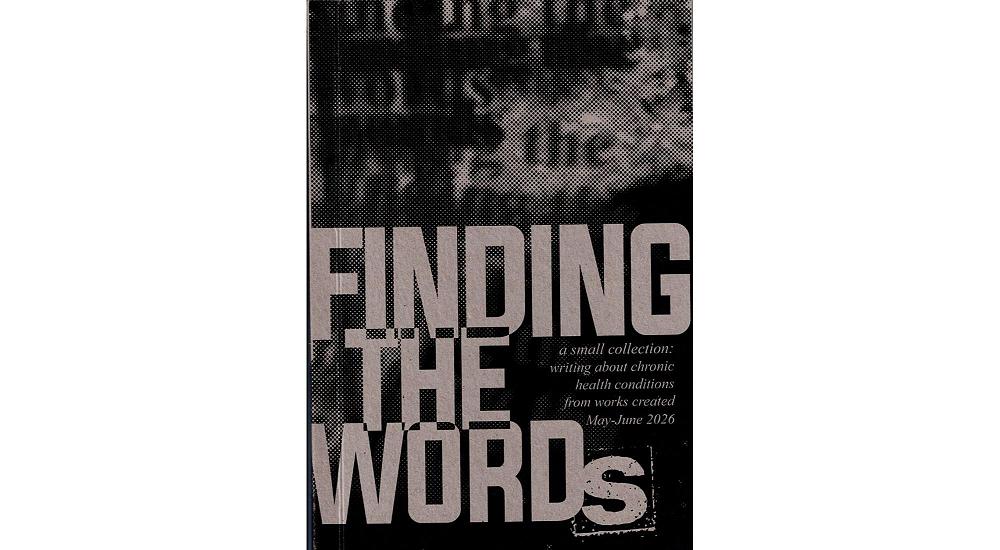
Ōtepoti He Puna Auaha Dunedin UNESCO City of Literature is proud to have supported the publication of Finding the Words, a collection from a pilot creative writing workshop for people living with chronic health conditions in Ōtepoti.
The free 2026 workshop programme, run through the University of Otago’s newly established Centre for Medical Humanities, welcomed eight participants living with Long COVID and/or Myalgic Encephalomyelitis/Chronic Fatigue Syndrome. Aged between 20 and 62, the participants brought a range of writing experience, with many being beginners. Over a three-month period, they took part in a series of workshops developing short-form poetry and prose about their lives with chronic illness.
Facilitators Michelle Elvy and Claire Lacey provided writing prompts, workshops and mentoring, creating space for the participants to explore their experiences through writing. The result is a small but powerful zine, published by At The Bay I Te Kokoru, that captures what it is like to live in what the book’s preface calls ‘the kingdom of the sick’.
Chronic health conditions that involve fatigue carry a particular cruelty. As Michelle and Claire put it, sharing stories can be difficult because the energy required to do so can lead to further debilitation. This can leave people with these conditions feeling isolated and misunderstood.
Claire designed the programme around this tension:
“My lived experience with chronic illness gives me insight into how very isolating it can be. It impacts every facet of your life, in ways both profound and mundane. It can be difficult enough to find the space and energy to be creative under normal circumstances, but when energy-limiting conditions occur, it becomes even more fraught.”
Rather than asking participants to push through, as so many people with chronic illness feel pressured to do, the workshop was built to bend around their needs. Sessions were held over Zoom and paced flexibly, with support offered between sessions rather than only within them.
“We wanted to provide a space and structure that works for people with chronic conditions to develop their writerly voices and to connect as a community with shared experiences, without having to sacrifice their health.”
Claire is candid about how personal this mission is, describing regularly masking pain in order to stay connected to literature and community life — and wanting something different for the writers they were working with.
“I know how often I mask pain and push through to participate in events and to maintain my own ties to literature, so I wanted to make sure everyone was empowered to show up (or not) in a way that was comfortable and safe.”
The book made its public debut at the Once Upon a Time Art+Science exhibition, curated by Centre for Medical Humanities member Pam McKinlay. Within the exhibition, a selection of the workshop’s writing was brought to life at a dedicated performance event, Micros, Music, & Movement. Audiences were warmly invited to see, hear and feel these creative conversations about time, the body and illness through a multidisciplinary art+science framework.
The project is the beginning of what will become an annual creative community workshop programme, with a different focus each year. Keep an eye on the Otago Centre for Medical Humanities website for information about future programmes.
Claire says:
“I feel incredibly privileged that these writers participated so openly and generously with each other, and that we were then able to share their work with the wider community. I hope to find ways to continue to facilitate similar workshops, as I know there are so many people in similar situations who want the opportunity for both creative guidance and community.”