Reframing ageing in aged care provision and training
Toi Ohomai: Good health practice and education design can promote positive ageing among older people, supporting them to continuing participating in their communities.
A project exploring positive ageing emerged from the Sino-New Zealand Aged Healthcare Association, a partnership between Toi Ohomai and a number of educators in China, including Chengdu University, China Medical University and Peking University. The Association aims to progress a range of educational and health initiatives including teaching and learning and research collaborations.
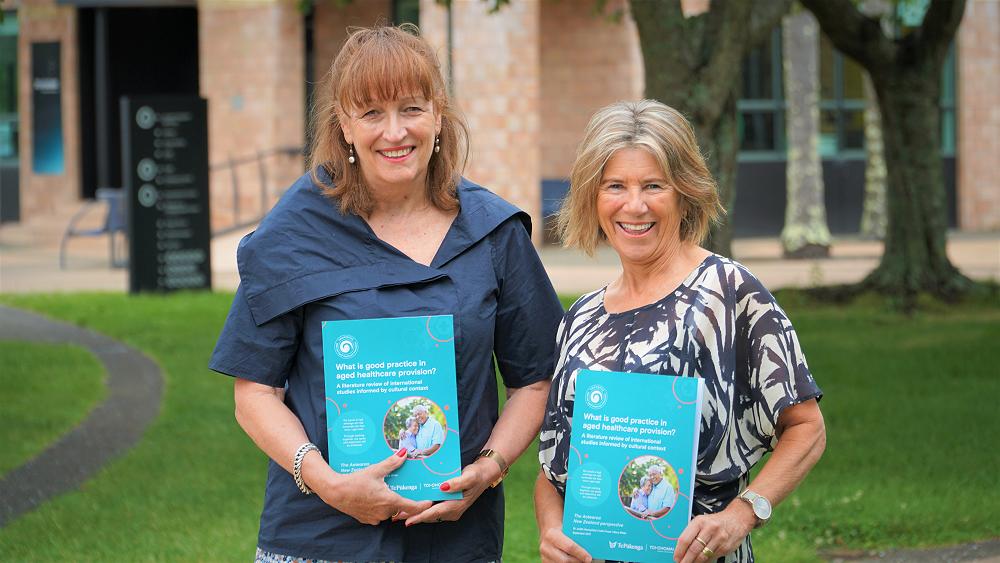
“China like us is impacted by a burgeoning ageing population and looking internationally for ways to accommodate older people with a focus on positive ageing,” says Toi Ohomai’s Principal Academic Staff Member – Nursing, Judith Honeyfield. “They are looking to what happens in New Zealand as a bicultural nation, and ways of supporting a story of wellness in older age, rather than one of disability and frailty and loss of function.”
A literature review completed by the Toi Ohomai researchers primarily focuses on practice in New Zealand and Australia, and a parallel literature review from the Chinese researchers will examine the Chinese context. These will eventually be amalgamated into a single, bilingual account.
“The longer-term objective is to inform higher education programme development, training and qualifications that draw on the cultural contexts of both sets of international partners,” says Honeyfield.
However, the impact of the Covid-19 has had significant consequences for the teaching hospitals, medical educators and professionals in China, which have been diverted to the country’s pandemic response, so the Chinese review is still in progress.
The New Zealand researchers used a cultural lens approach in their integrative literature review, and collated recent developments in education related to positive ageing and highlighted the challenges of catering to this fast-growing population.
“Using an integrative method allowed the NZ researchers to summarise literature from diverse sources, including non-academic literature and contemporary commentary,” says Research Coordinator, Cath Fraser. “For analysis, we drew on the SPICE framework: setting, perspective, intervention, comparison and evaluation. This assisted us to identify three broad categories – wellness, culture and education – and a total of 71 good practice indicators across these categories.”
This categorisation will allow the researchers to effectively cross-reference their findings with those of the Chinese researchers.
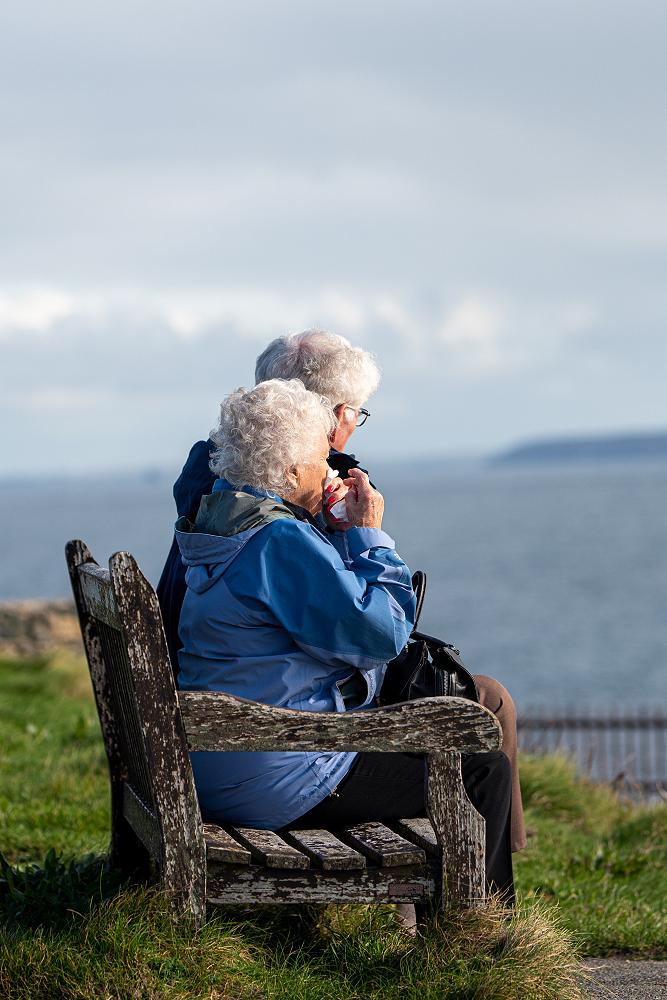
“In the wellness category, we noted a shift from profiling older people as frail, needy and disproportionate users of health services, to positive contributors to – and participants in – their communities,” says Fraser.
The importance of cultural identity and connectedness was also clearly evident – a cultural interpretation of wellbeing.
“What came across very strongly was how significant being connected to culture and having a respected place in the community is for a positive health outlook in older people,” Honeyfield says. “This encourages us to look at different ways to support people to be well beyond traditional medical or residential care models.”
The education category highlighted the need for education providers to help combat ageism, describe older people positively in curricula and promote aged care as a desirable area of practice.
“We have identified indicators of good practice with the idea of developing the specialism in community-based aged wellness approaches,” says Honeyfield. “We have students who won’t choose to work in settings where there are older people who need higher levels of support, but we can see opportunities to champion aged care – in all its forms – as a great career.”
The Chinese and New Zealand research teams will hold a joint symposium in March 2022 to share their insights about the ways in which the health and education sectors in both countries could better support positive ageing.
- Dr Judith Honeyfield works in Pouarahi Te Puna Whai Ora: The Department of Nursing as a principal academic staff member and year three co-ordinator at Toi Ohomai Institute of Technology. In addition to teaching across a range of Bachelor of Nursing and short courses, she supports research activities in the team and students wishing to apply for recognition of prior learning and cross credits. Her research interests include students experiences in speciality practicums (mental health and aged residential care) quality improvement education and older persons wellbeing, through collaborative and interdisciplinary research. Contact Dr Judith Honeyfield
- Cath Fraser currently combines roles as a Senior Academic Staff Member and Faculty Research Coordinator at Toi Ohomai Institute of Technology with independent research and writing contracts for organisations across the tertiary sector. Her research interests include coaching and mentoring, collaborative and interdisciplinary research, and internationalisation. She is also co-facilitator of her institution’s successful annual Writers’ Retreat, developing colleagues’ academic writing skills. Contact Cath Fraser
- Visit Toi Ohomai
