Supporting student nurses to provide culturally-centred aged care
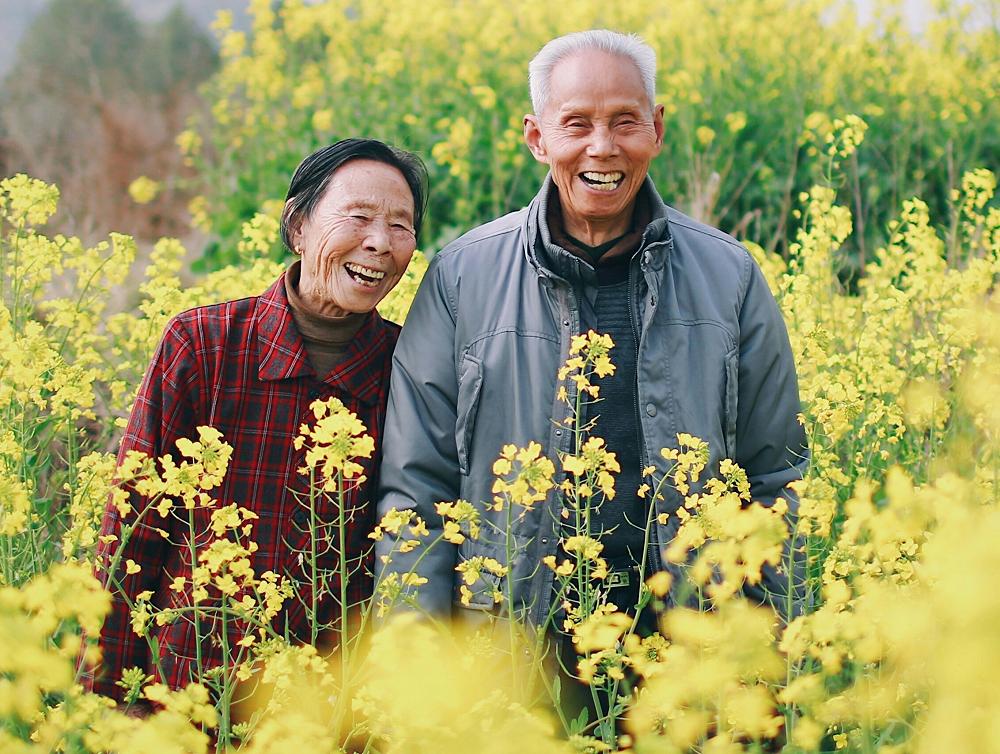
(Dr Judith Honeyfield and Cath Fraser, Toi Ohomai) New research into the health care experiences of Māori and Chinese older people in Aotearoa New Zealand aims to better prepare nursing graduates for culturally-centred aged health provision.
“There is growing literature that attests to the importance of culture and community in positive ageing,” says Cath Fraser, Research Coordinator in the Faculty of Health, Education and Environment at Toi Ohomai Institute of Technology.
“We want to improve ākonga outcomes and produce well-prepared, culturally-confident graduates who will become the future leaders in our health care sector, in which older people are highly represented,” explains Dr Judith Honeyfield, Academic Lead, Te Puna Whai Ora, the Department of Nursing.
Despite an ageing population nationally and globally, and a well-documented projected shortfall in specialist professionals in aged health care, Fraser and Honeyfield note there remains “a persistent disinclination” by nursing students to choose aged health care as a career preference.
“We’re hoping to help broaden ākonga views on ageing, shifting away from the ageism of seeing everybody older as declining,” says Honeyfield. “Most older people have enormously full lives and continue to contribute to the wellbeing of their communities economically, socially and culturally.”
With funding from Ako Aotearoa National Centre for Tertiary Teaching Excellence, Honeyfield and Fraser are conducting a one-year project exploring Māori and Chinese elders’ experiences of health care in Aotearoa.
The study’s methods and outputs include a literature review, document and programme analysis and evaluation, interviews, narrative inquiry, and learning and teaching resource development.
The research employs cultural lens theory with mātauranga Māori approaches and content.
“Māori colleagues from the nursing programme oversee our kaupapa and facilitate some of our interviews – with kaimahi, ākonga, older people, clinical placement student nurse educators, and nursing programme managers from other Bachelor of Nursing providers.”
Sixteen older people shared either their own experiences of being in the health care system, or what they encountered or witnessed when supporting or visiting others in health care settings.
“For example, one Chinese participant was unhappy about receiving cold food after surgery or medical treatment, as their perception was that cold foods are not good for ill health,” says Fraser. “Someone else was uncomfortable holding their hand out to receive medication, because they associated that gesture with begging – they would have preferred to have the medication in a cup placed on the table. Another told us they were impressed when the doctor got down on his knees to speak to them face-to-face, because that would be a sign of immense respect in China.”
Māori participants spoke of the importance of Māoritanga and tikanga.
“There were comments from participants about seeing urinal bottles placed on tables,” recalls Fraser. “Others spoke about gaining strength from whānau, and wanting their whānau members to feel welcomed in health care environments and not made to feel like a burden. Some experienced discomfort when they wanted to say karakia but others were also around – patients sharing the same room, for example.”
Across both demographic groups, there was a desire for a more holistic approach to older people’s health and wellbeing. The participants wanted to be seen as individuals, not just as an illness, an injury or a person in a bed.
“Language was important to people, too – being called by their name, not sweetheart or darling. Many felt there was a paternalistic element to the care they received.”
While many participants had experienced some health concerns, they had also enjoyed full and engaging lives – and continued to do so.
“Some had been CEOs and managers, and even Olympic athletes,” says Fraser. “One participant told us he’d had four stents and four bypasses, he had coils in his head, gout and cataracts – but he was having a great life and considered himself very lucky. He was living in his own home, enjoying his garden, his neighbours and his community. He was also busy producing a series of books about learning Chinese characters.”
Honeyfield and Fraser are now about three-quarters of the way through their project. They have created 12 targeted case-study narratives and question prompts, and three video clips, informed by their interviews. They intend to make these learning and teaching resources available for kaimahi across the country to use.
“This work is really at the heart of the project,” Honeyfield says. “It's about taking the experiences that have been shared with us and creating learning resources for ākonga to help prepare them to provide culturally-centred care, and to challenge their understanding of what it means to be older.”
They will soon be piloting these resources with teaching colleagues, to gain valuable feedback about their use in an educational setting.
“With new nursing competencies soon to be set for the whole of New Zealand, this is the perfect time for us to rescreen and refine our outputs, to ensure the focus questions we're providing are aligned,” says Fraser.
Dr Judith Honeyfield is the Academic Leader of the Bachelor of Nursing at Toi Ohomai. Her research interests include bi-cultural development, partnership-based relationships, quality improvement and older people's wellbeing.
Cath Fraser currently combines her role as a Faculty Research Coordinator at Toi Ohomai Institute of Technology with independent research and writing contracts for organisations across the tertiary sector. Cath’s research interests include coaching and mentoring, collaborative and interdisciplinary research, and internationalisation. She is also co-facilitator of her institution’s successful annual Writers’ Retreat, developing colleagues’ academic writing skills.