Marae-based programme changes the lives of those experiencing homelessness
Unitec: Homelessness has risen exponentially in New Zealand over the past decade, to the point where we have the highest rate of homelessness among the 35 wealthiest countries in the Organisation for Economic Co-operation and Development (OECD).
“The New Zealand definition of homelessness includes rough sleeping, living in garages, tents, caravans, emergency accommodation or cars, and ‘couch surfing’,” explains Whitiao Paul, the lead social worker at South Auckland’s Te Puea Memorial Marae.
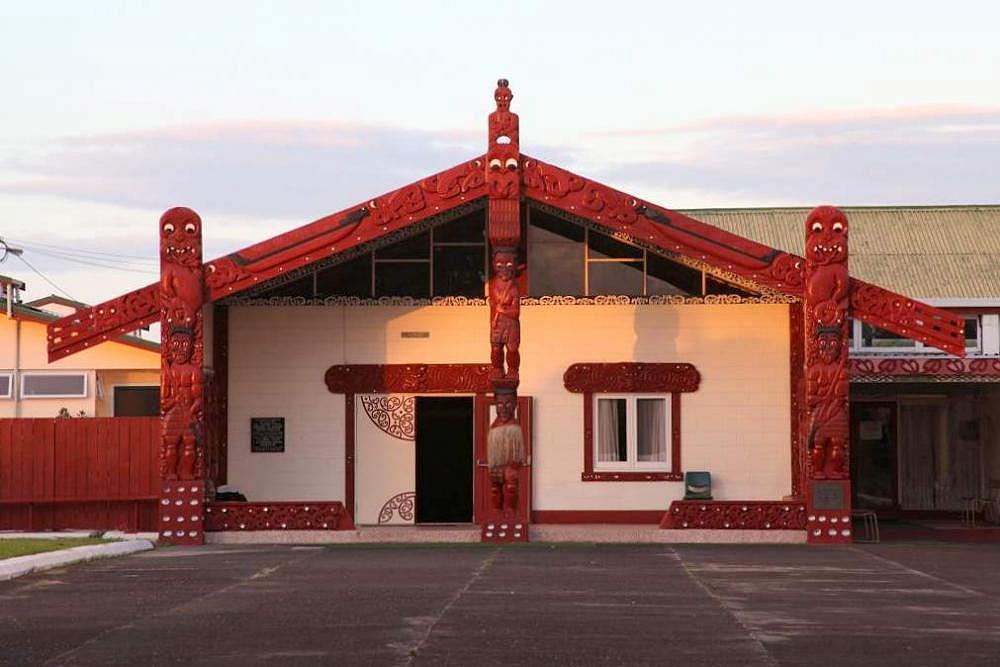
The Marae provides a 12-week transitional housing programme, Manaaki Tangata e Rua (MTeR), which houses and supports up to 25 people at the Marae at any one time. The programme is funded by the Ministry of Social Development and Kainga Ora with a view to assisting people back into long-term housing.
“The tikanga of the Marae supports whānau back to a place of safety, healing and wholeness,” says Paul. “We provide a wraparound service to meet whānau needs using a Māori lens. We have two social workers on site, as well as Work and Income and Kainga Ora representatives and budgeting advisors. Some people are not easily able to access these kinds of services otherwise. We also have 24/7 security, a mentor, a trainer for drivers' licenses, an employment co-ordinator, a resource coordinator and administration staff.”
Ngā Wai a Te Tūī Māori and Indigenous Research Centre at Unitec Institute of Technology received three years’ funding from the National Science Challenge to study the programme in partnership with the Marae. There are three parts to this research activity: a literature review focused on indigenous, national and international secure housing tenure models; a qualitative investigation into whānau experiences of MTeR, which is the focus of this article; and an analysis of the programme data with a clear view to inform and contribute to future policies that impact whānau Māori wellbeing and housing.
Professor Jenny Lee-Morgan says in-depth interviews have been conducted with 12 families who had secured long-term housing after participating in the MteR programme. Initial analysis, using a kaupapa Māori methodology to consider the qualitative data through a Māori lens, is now underway.
The preliminary findings show that MteR’s Māori participants benefit from cultural connectedness and a stronger sense of identity, and that the foundational values of the programme have a positive impact on all participants, no matter their cultural background.
“Whakawhanaungatanga, manaakitanga, āhurutanga, tika, pono and aroha are these foundational values that restore whānau rangatiratanga,” says Lee-Morgan. “The Marae whānau demonstrate these values, and over time, these cultural reminders and teachings begin to change the outlook of each whānau.”
Paul adds that while many of those experiencing homelessness in Aotearoa are of Māori descent, most of the organisations delivering services to address the housing crisis operate from mainstream structures and processes.
“Despite having the best intentions, many of these services do not adequately address the cultural needs of homeless and vulnerable whānau Māori. In mainstream environments, there is a division between the client and the service. A marae is a community – a whānau – where people aren’t treated any differently from others despite experiencing homelessness.”
Paul says while housing issues are resolved, high-trust relationships are developed.
“When whānau have been rehomed back into a community, we continue to support them in their new homes until rangatiratanga and whānau agency has been fully restored,” she says.
One participant, a father of three, was full of praise for his experience. “The marae supported us to get a home and here we have a new home. The kids are happy, they have their own rooms now in our home. Te Puea [Memorial Marae] still supports us with food and to get my wife and daughter driving lessons. So they still support my family, our family, now.”
Lee-Morgan says the critical point of difference is not only the approach being kaupapa Māori, but that the work is located within a marae, one of this country’s strongest cultural bastions.
“This programme demonstrates that a marae-based approach is culturally affirming for whānau Māori – and others – and should continue to be part of New Zealand’s housing solutions,” she says.
Once the study is complete, the research team will share its findings with leaders, government agencies and support services, and create a policy paper to promote the use of similar programmes throughout Aotearoa.
- Professor Jenny Lee-Morgan (Waikato-Tainui, Ngāti Mahuta, Ngāti Te Ahiwaru) is the founding Director of Unitec’s Ngā Wai ā te Tūī Māori and Indigenous Research Centre. Jenny has a distinguished track record of teaching and kaupapa Māori research. Previously a Māori secondary school teacher, Jenny has a strong background in education, te reo Māori and community-based research. She was formerly the Head of School of Māori Education at the University of Auckland, and Deputy Director of Te Kotahi Research Institute at the University of Waikato. In 2016 Jenny was awarded Te Tohu Pae Tawhiti Award by the New Zealand Association for Research in Education in recognition of her high-quality research and significant contribution to the Māori education sector. Contact Jenny Lee-Morgan
Whitiao Paul affiliates to Ngapuhi and Ngati Ruanui Iwi. She has been a social worker for over 30 years and for most of her career has worked in health. For the last seven years, she has worked in the community in Mangere, Auckland. Whitiao is a Founding Member of the Tangata Whenua Social Workers' Association and currently sits on the Kahui/Board. She is the Chairperson of the Maungarongo Marae Committee, Whatitiri Māori Reserves Trust, Whangarei. Whitiao mentors and trains tangata whenua practioners, is a wananga facilitator and is passionate about indigenous peoples and traditional practices.
- Visit Unitec