
Digital Boundaries & Staying Safe Online
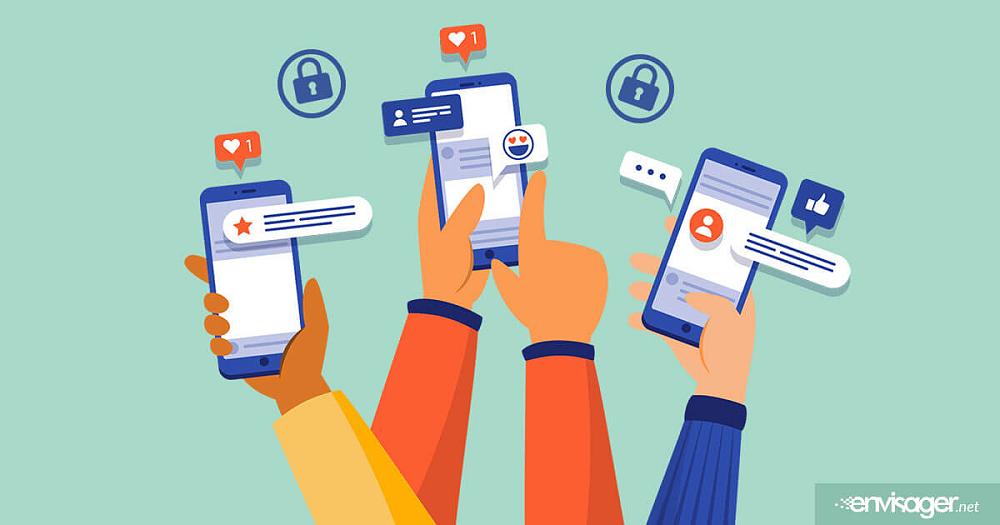
Social media can help students in their development, and also poses certain risks.
Digital technologies have profoundly changed childhood and adolescence - students today are often labeled as digitial natives because of this. The following points are summarized from an article from the American Psychological Association and focuses on setting boundaries, having open conversations, modeling behavior, and seeking professional help if needed to manage social media use in a healthy way.
1. Adolescent brains and social media: Developing adolescent brains are vulnerable to certain features of social media, like the “like” button and AI-driven recommendations that promote excessive scrolling. Adolescents are particularly sensitive to peer attention, but their self-control areas aren’t fully developed. Young people see little difference between their online and offline worlds. To protect them, limit social media use, especially on platforms that encourage excessive use, and ensure teens get enough sleep for healthy brain development.
2. Monitor and discuss social media use: Parents should manage social media use through time limits, monitoring, and open conversations. Limiting contact with strangers and adult content is important, as is supervising what children post and view online. It can be helpful to have ongoing, non-judgmental conversations about social media to ensure teens understand its effects and how to use it safely. The Heaton Safety Hub has great resources about navigating social media, including age recommendations for popular apps (TikTok is recommended for 15+, Snapchat is 16+ and Discord is 17+).
3. Model healthy social media use: Adolescents learn behaviors from their parents, so adults should model positive social media habits. This can look like avoiding social media during family time and discussing usage limits. Taking breaks from social media as a family can also promote healthy digital habits.
4. Watch for problematic use: Signs of unhealthy social media use include interference with daily routines, excessive online time at the expense of in-person interactions, poor sleep, and neglect of physical activity. If these signs appear, revisit the limits and, if necessary, seek help from a mental health professional. Netsafe is a wonderful organization to seek advice about healthy online usage for tamariki.
5. Teach social media literacy: Teaching teens to understand and navigate social media responsibly is essential. Parents, schools, and platforms can all help promote social media literacy to ensure safer and more positive online experiences.
It's important to have an open conversation about limits and boundaries before any issues arise, as it helps set clear expectations. By sitting down with your student and creating a contract together, they gain ownership of their limits and consequences, ensuring they fully understand and are committed to following the agreed-upon guidelines. I’ve provided a template as a starting point – you are the expert of your child, so feel free to edit/revise the contact to what works best within your whānau.
Kelsey Clin
Kelsey is a provisionally registered member with NZAC (New Zealand Association of Counsellors).
If you wish to discuss the services the School Counsellor can provide, please talk to your child’s homeroom teacher or make contact with Kelsey directly: clink@heaton.school.nz
There is also a counselling referral form on the Heaton website here.