
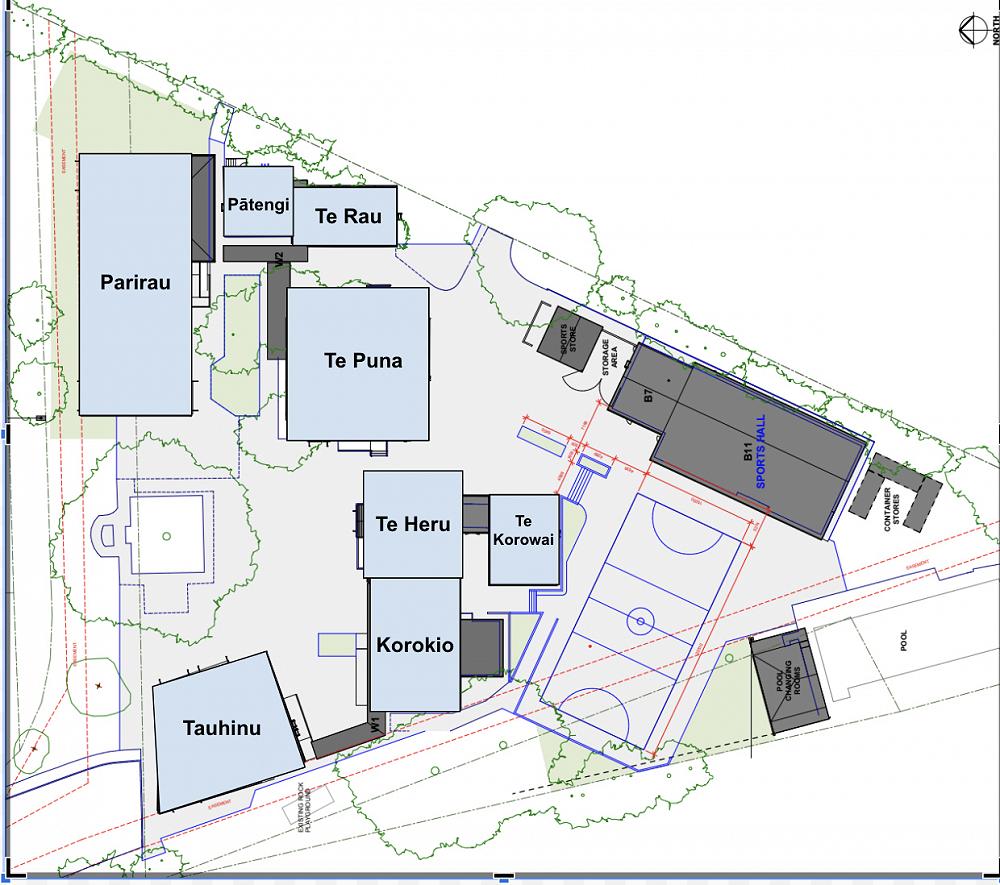
Our Learning Space Names
Thank you to Ngāi Tūāhuriri and Te Hapū o Ngāti Wheke for gifting us the names of our new learning spaces.
Te Puna
(Year 0 - 2 Learning Space)
Te Puna is an abbreviation of the name Te Puna o Harakeke which refers to the headwater springs in the valley, used for the cleansing of houi (lacebark) while preparing garments.
Te Puna also means ‘the spring of water’ so the names of the internal spaces have taken on this theme.
Tauhinu
(Year 5 & 6 Learning Space)
Tauhinu is a contraction of the name Tauhinukorokio which is the highest point directly above the community of Lyttelton that is known as Mount Pleasant. It is named after the tauhinu (cottonwood) and korokio (corokia cotoneaster) native shrubs that were once plentiful in the area.
Tauhinu is a native tree with greyish-green, small leaves with fine white hair underneath and curled edges. Flowers are cream and in clusters and occur throughout summer. It is fast growing, reaching two metres in height and is found in both the North and South Islands from coastal to lower montane shrubland and grassland.
A Ngāti Māmoe pā is said to have been situated on Tauhinukorokio. Although the remnants of the pā were visible when the first Pākehā settlers arrived in the mid-19th century, no archaeological evidence has been found.
Parirau
(Year 2 & 3 / Year 3 & 4 Learning Spaces)
Parirau is an abbreviation of the name Parirau o Marama which refers to the bluffs on the steep (west) side of Horotane Valley (Avoca) which looks like grass skirts in the moonlight.
Rau means many or hundred, Pari means cliff and Marama means the moon, so Parirau o Marama literally translates as ‘The many cliffs of the moon’.
Parirau also means ‘wing’ so the names of the internal spaces have taken on this theme.
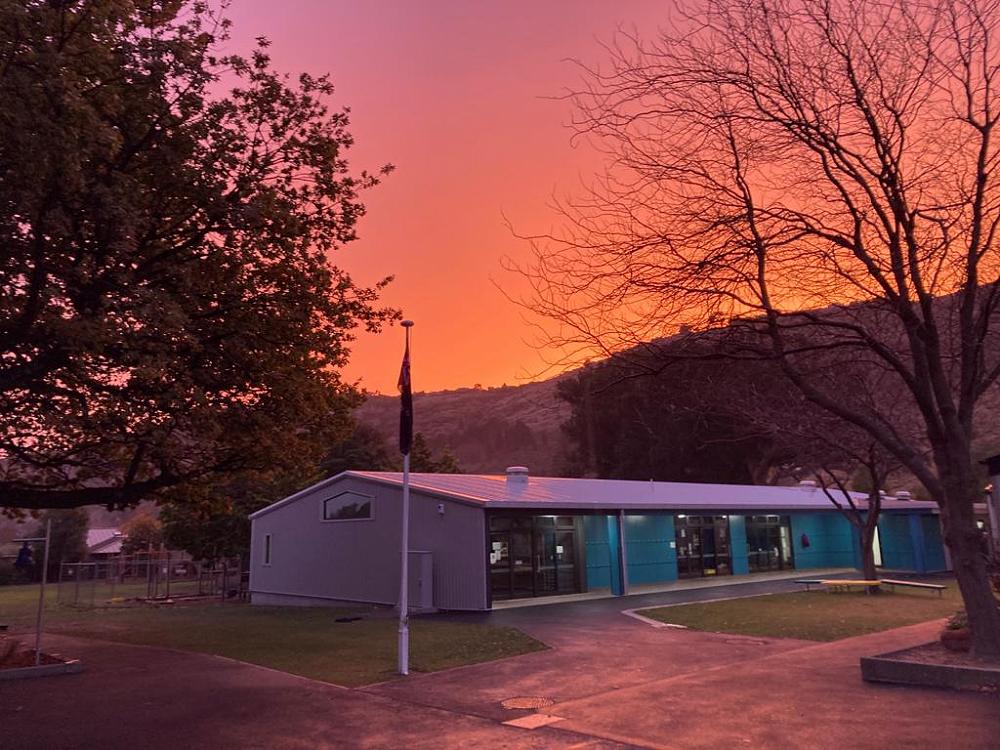
Korokio
(Year 7 & 8 Learning Space)
Korokio is a contraction of the name Tauhinukorokio which is the highest point directly above the community of Lyttelton that is known as Mount Pleasant. It is named after the tauhinu (cottonwood) and korokio (corokia cotoneaster) native shrubs that were once plentiful in the area.
Korokio is a native shrub with small silvery-grey leaves on black wiry stems (as tough as wire netting) that are covered with a soft silvery white soft felt underneath. The shrub flowers profusely from October to January with bright yellow star-shaped flowers, and the red, orange, or yellow drupes ripen in late summer or autumn.
A Ngāti Māmoe pā is said to have been situated on Tauhinukorokio. Although the remnants of the pā were visible when the first Pākehā settlers arrived in the mid-19th century, no archaeological evidence has been found to support the suggestion of a former pā site.
In Māori tradition, the leaves of korokio were used in a ceremony to lift the tapu from foods. The hard wiry wood from its intertwined branches was fashioned into fish hooks, and also made into knives to pierce the skin in treating battle wounds or injuries. Ngāi Tahu used fine twigs of korokio as tinder when making a fire. The leaves of korokio were also boiled and when cooled, the liquid was drunk as a treatment for stomach complaints and ulcers, which some sources said gave instant relief.
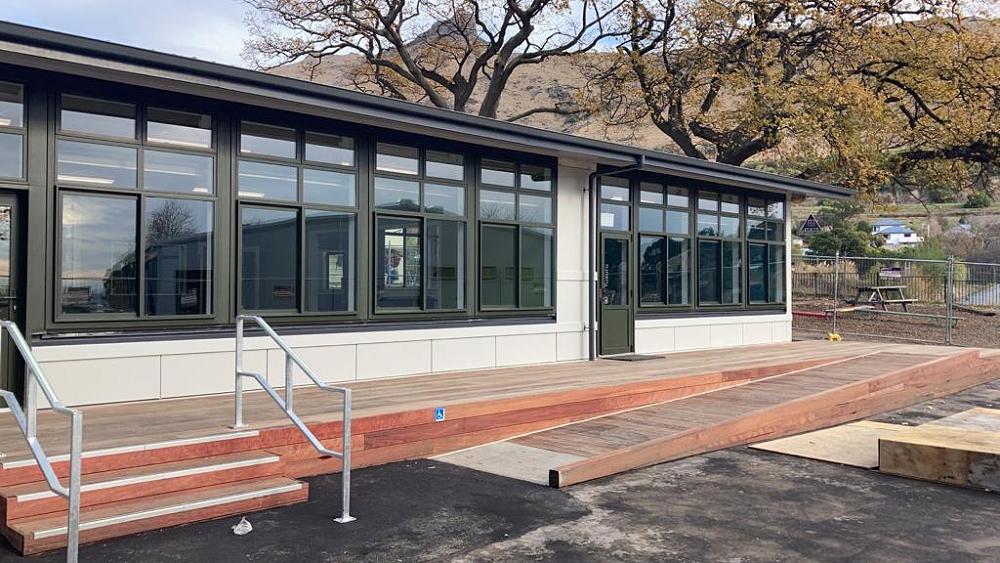
Te Heru
(Office / Admin Space)
The heru is worn by chiefs as an adornment (to affix the tikitiki, top knot of hair)
Te Heru shortened from “Te Heru o Kahukura” referring to the comb of Kahukura, an important traditional figure related to the forestation and stocking of resources of the land. Te Heru o Kahukura is also known as Sugarloaf.
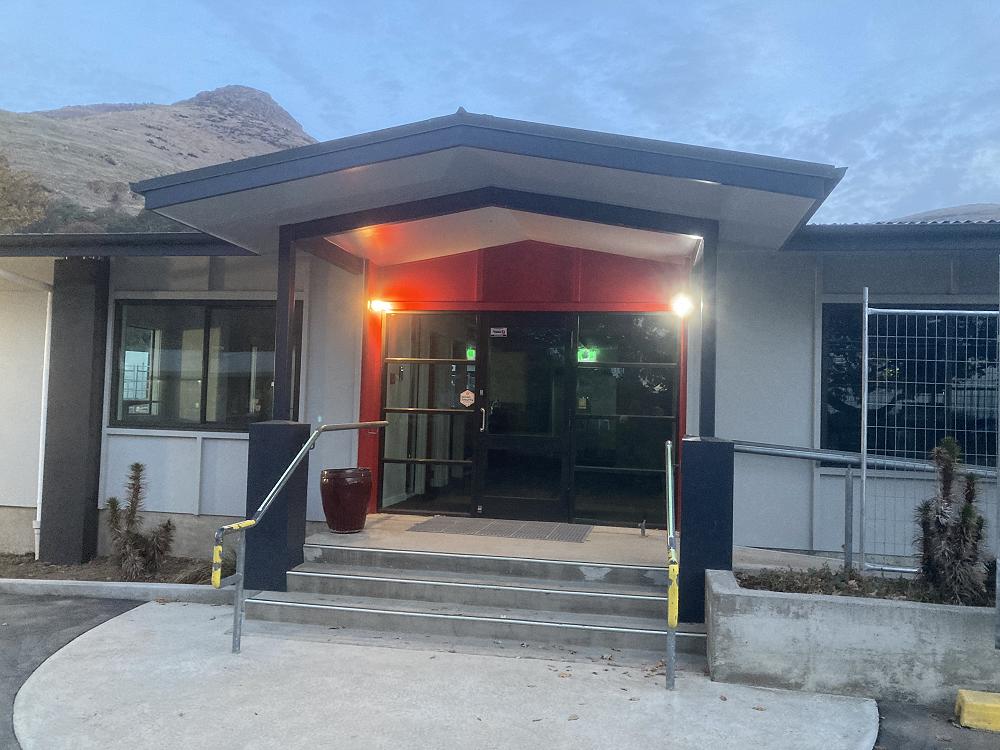
Te Korowai
(Library & Cafe)
Korowai (tasselled cloaks) developed from pake (rain capes). Pake were covered with flat leaf strips that had a practical purpose – to channel rain off the cloak and keep the wearer dry. Innovative weavers transformed these practical strips into elegant tassels. Korowai take their name from korokoro (loose) and wai (water, or flowing). Distinctive hukahuka (tassels) cascade down these garments, rippling and swaying with the wearer’s every movement.
Much as a rainbow adorns the sky, a korowai adorns the wearer. A chief who wore a korowai, would likely have worn a Heru also. Links to the theme of adornments of Kahukura.