
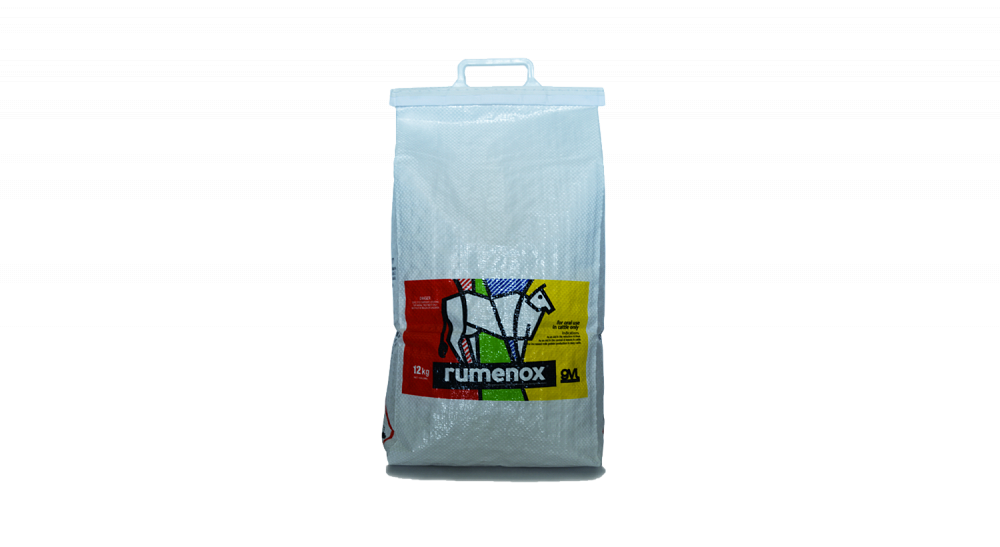
Rumenox and Ketosis
Avoid ketosis by introducing Rumenox into their feed.
Managing successful reproductive performance remains one of the most challenging aspects of dairying. Get it right, and it can make a sizeable impact on your bottom line. Get one piece of the puzzle wrong and you pay the price with lower in-calf rates, poor cow condition, and exposure to disease. Getting cows in calf is still a real economic issue for our farmers.
One of the most widespread diseases preventing cows getting in calf is subclinical ketosis. There is no doubt it’s impacting farms across the Southland region, with 75% of cows within our herds falling victim in spring*.
Subclinical ketosis zaps a cow’s energy and compromises their performance and health. A recent NZ study of subclinical ketosis revealed a decreased six week in-calf rate of 7%**, so we really can’t afford to ignore the disease.
Through working with our clients, we are aware first-hand, of the effects of subclinical ketosis.
In addition to good feed management and achieving optimum body condition scores it’s also worth considering introducing specialist products to help support overall animal health at this crucial time.
Products like Rumenox, a rumen modifier, are a game changer. They help get more cows in calf by improving cow condition and significantly reducing ketosis. We recommend introducing such products pre-calving, or if not practical, adding to water or feed at calving through to the end of mating.
Rumenox is also widely used throughout lactation for controlling pasture bloat.
You can read more on our article, Why Rumenox?
Bulk purchase options available in clinic, talk to our retail teams today!
*Data from 2016 DairyNZ and Lincoln University Dairy Farm study
**Study by Compton et al