Learning in the classroom
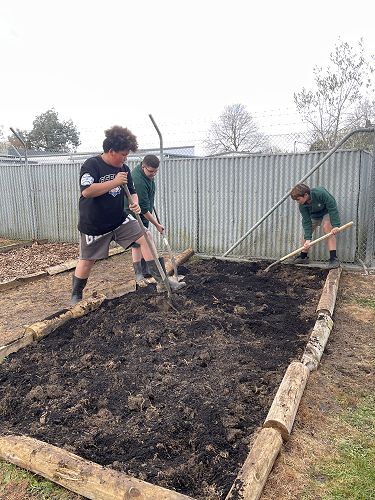
Alongside reading, writing and mathematics, ākonga in Rooms 1, 2, & 9 have been preparing māra (gardens) for kai planting. In class they have been preparing seedlings which are now hardening off and almost ready for planting.
In Rooms 7 & 8 there has been a lot of research and learning into life cycles, of plants, animals and the water cycle.
Vitana Elia Year 5 wrote a report on the water cycle. This is the introduction paragraph from her report:
"The water cycle can be started anywhere. Water can travel in three different types like a solid, steam, and just normal water. When water is heated, it will start to boil and some of the water turns into steam. When clouds are full, it will start to rain. This explanation will tell you about the water cycle and how it is recycled again and again. By the end of this writing you will know all of the secrets and what you have been drinking all this time. "
Rueben Andrews Year 5, wrote a report on the kiwi. This is the introduction paragraph from his report:
"The kiwi have a life of trying to survive their habitat, adaptation, and finding food for their diet. When people did not live here in New Zealand, the kiwi lived in kauri forests filled with ferns. these days, the kiwi have to live in pine plantations because people cut down the kauri forests to make furniture. The kiwi, which are native to New Zealand, come in many different species and are what we are going to learn about in this explanation. After you have finished this report, you will learn the kiwi habitat, adaptation, and their diet."
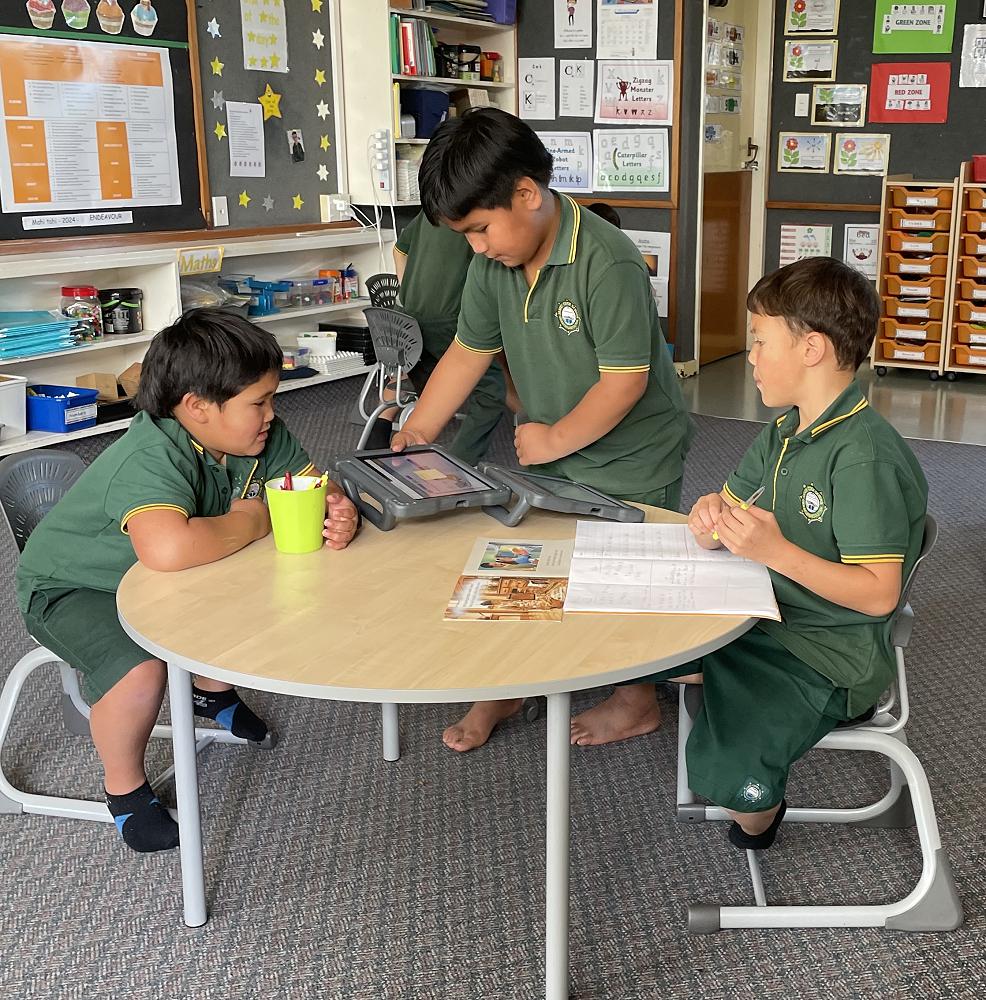
Rooms 4, 5 & 6 have been hard at work learning to read, increase their confidence in writing and compute larger numbers in mathematics.
Ways to help with reading at home:
- Talk about pictures in books
- Sing waiata and songs, read poems and make up rhymes together – the funnier the better
- Be a role model. Let your tamariki see you enjoying reading and talk about what you are enjoying
- Point out words on signs, shops and labels
- Play word games like "I Spy" and "Simon Says…"
Ways to help with writing at home:
- Write to each other. Write notes to your tamariki and leave them in interesting places, like their lunch box. Ask them to write a reply
- Help them email, text or write to family, whānau or friends
- Work with them to put labels on special things – like the door to their room or their toy box.
Ways to help with mathematics at home:
- play card and board games that use guessing and checking
- look at junk mail – which is the best value? Ask your child what they would buy if they had $10/$100/$1,000 to spend
- do complicated jigsaw puzzles
- cook or bake – use measuring cups, spoons (½ and ¼ teaspoon) and scales
- collect boxes – undo and see if you can make them up again or make it into something else
- make paper darts and change the weight so that they fly differently, work out which is the best design
- create a repeating pattern (eg kōwhaiwhai patterns) to fill up a page or decorate a card.
It was Benjamin Franklin who said “Tell me and I forget, teach me and I may remember, involve me and I learn.”
Let us work together to foster the pathway of knowledge to strength, independence and growth for future generations.
"Hapaitia te ara tika pumau ai te rangatiratanga mo nga uri whakatipu."
Gallery