The Arts
Drama
Participating in drama fosters Whanaungatanga by strengthening relationships and deepening our sense of identity. It provides a meaningful way to explore where we come from, who we are, and where our journey may lead through the lens of personal, cultural, and social identity.
Drama builds confidence—both personal and social—while enhancing literacy, leadership, and interpersonal skills. It nurtures Manaakitanga by fostering strong communication, analytical thinking, and performance abilities, all of which are highly valued in the workplace.
Students develop their understanding of dramatic techniques, elements, and conventions, as well as various theatre forms and participate in a scripted performance.
Drama is both a fun and challenging way to explore new horizons. It sparks creativity by engaging the senses, imagination, and emotions, encouraging students to experiment, take risks, and present ideas to others. Through this journey, they develop not only theatre skills but also essential life skills—confidence, creativity, and the ability to collaborate effectively with others.
Visual Art
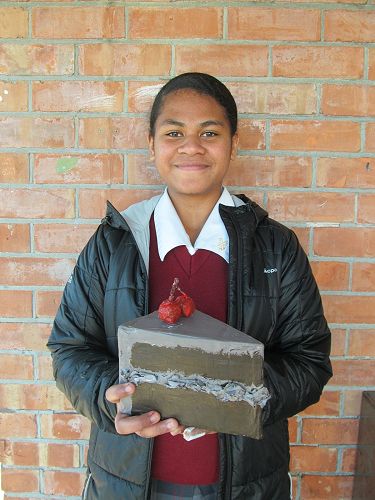
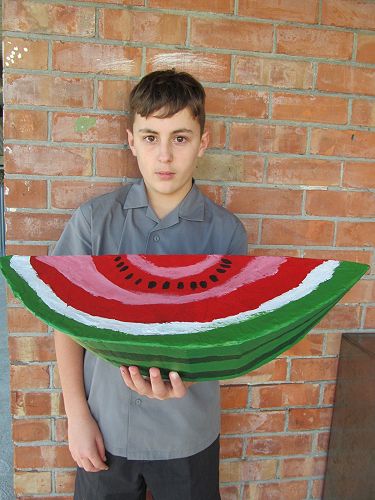
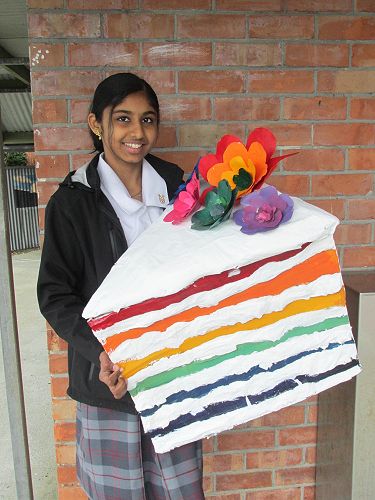
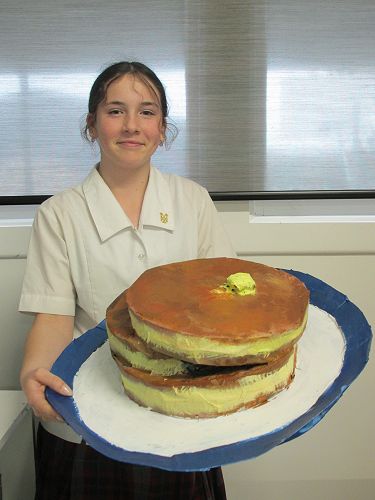
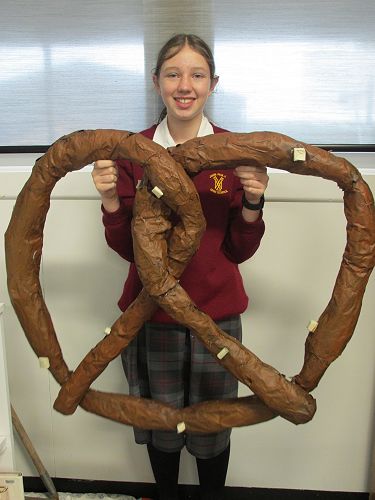
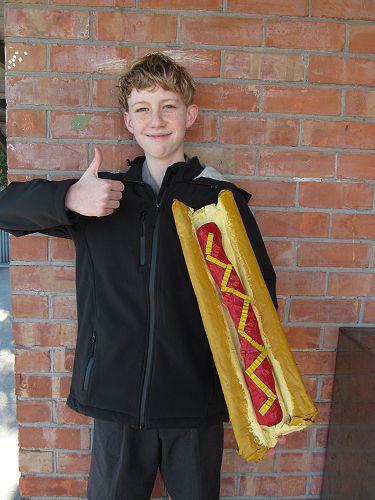
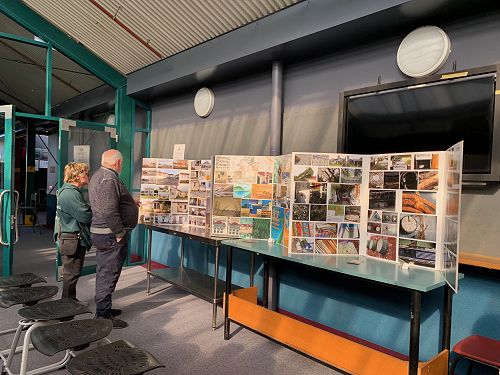
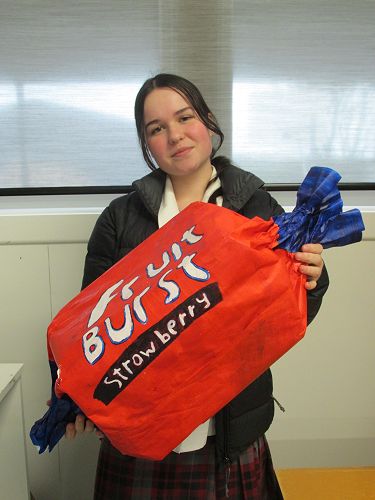
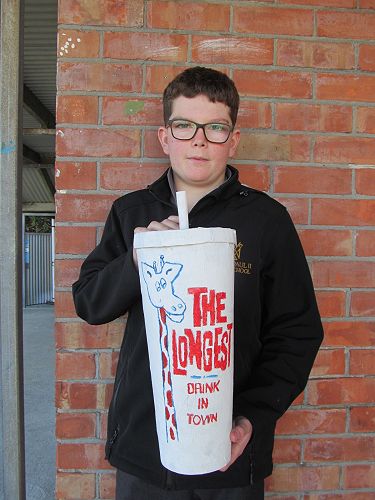
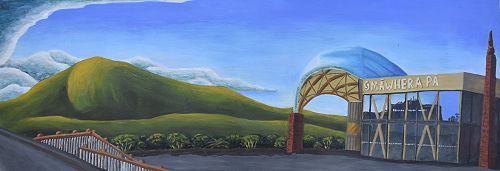
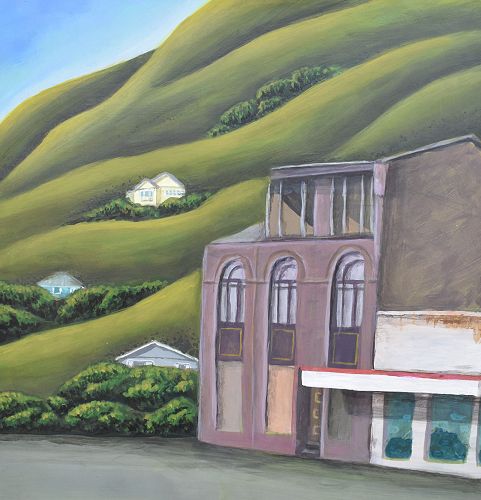
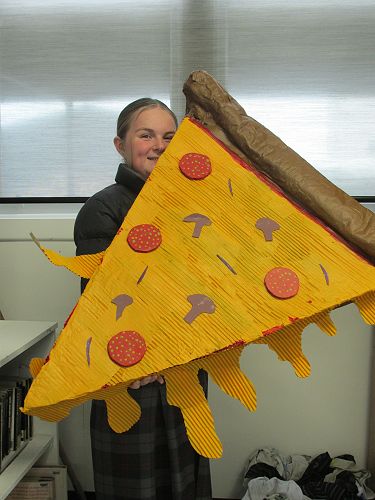
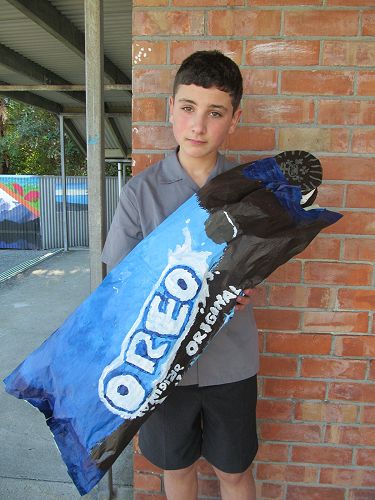
In Art students learn how to use visual language to communicate ideas and meaning in their artworks. Through practical work and the study of artists from New Zealand and beyond, students develop visual literacy, aesthetic awareness, and creative problem-solving skills.
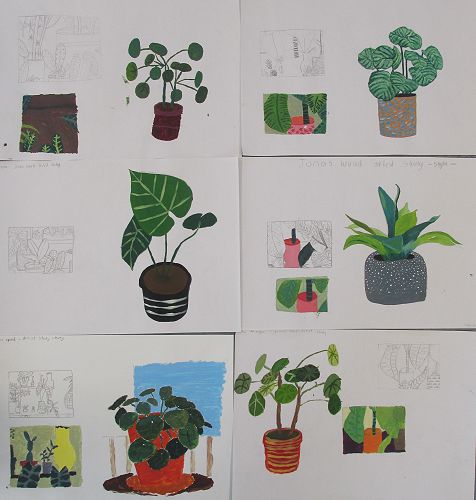
Students ‘work will explore themes such as personal and cultural identity, experiment with materials, refine techniques, and apply artistic processes to generate and express ideas. They learn to analyse and interpret artworks, using established artists as inspiration for their own work.
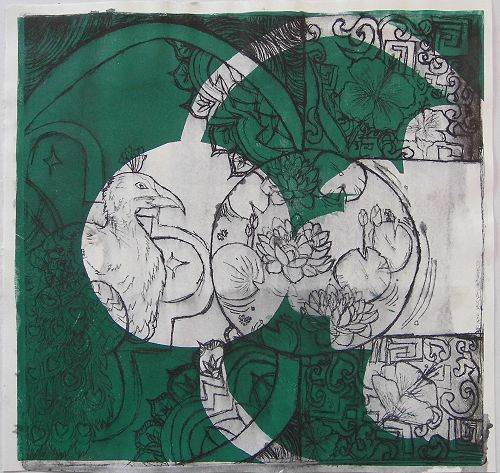
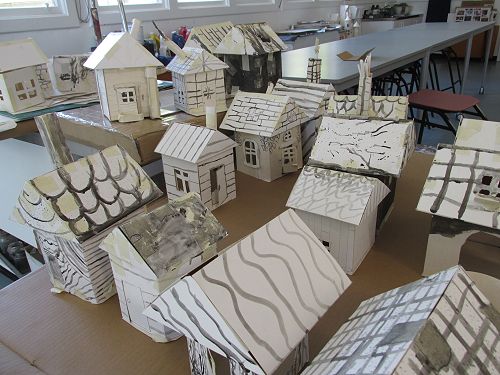
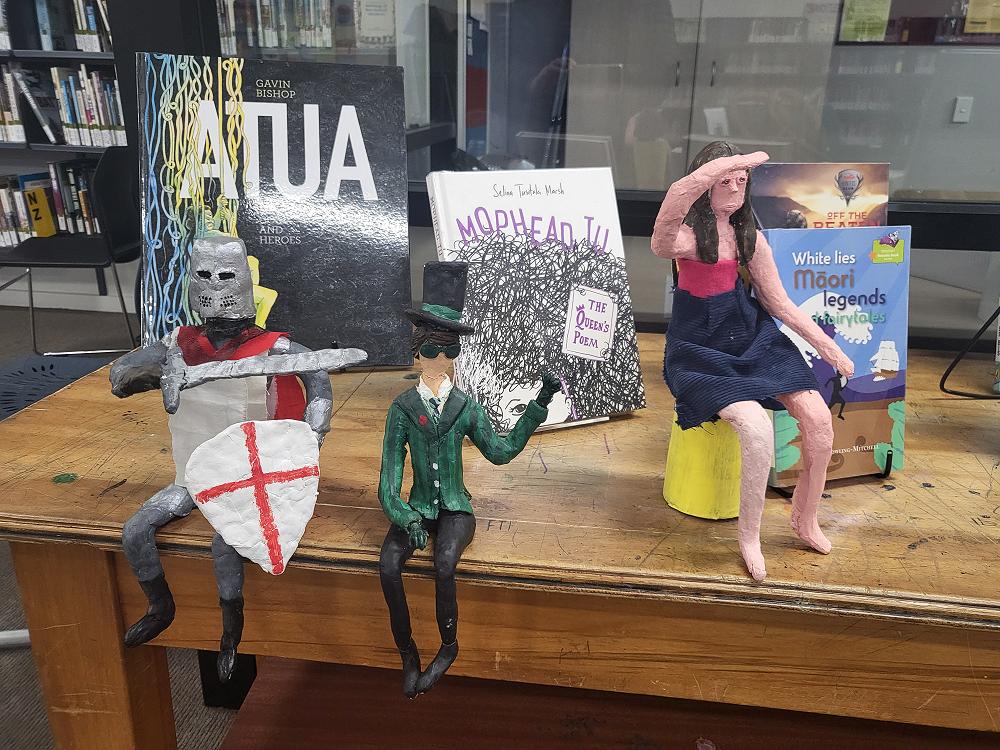
Students explore a range of media and disciplines such as drawing, printmaking, painting, design, sculpture, and photography. They develop creative thinking and practical skills while investigating how and why art is made.
In Year 12, students can study Visual Art and/or Photography separately. In Year 13, they may specialise in Painting, Printmaking, or Photography, producing a body of work based on a chosen theme while deepening their conceptual and technical skills.
Music
Music is an optional subject at John Paul II for Years 9-13. Junior Music is a combined subject for Years 9 and 10. In Junior Music, students will learn about the four components of Music - Musicology, Performance, Composition and Theory and Aural. Junior students have the opportunity to learn and perform pieces either individually or as a member of a group. Collaboration is a central part of Junior Music and ensemble skills are a key focus in this course with a range of instruments taught at an introductory level.
The Senior Music course prioritises performance skills, composition and research. Students must perform substantial pieces of music as a featured soloist and as a member of a group as well as contributing to collaborative composition assessments. Whilst Music Theory and Aural skills are taught and developed, assessment in these areas is optional. Senior Music students are supported in their learning by our itinerant teachers. Senior Music students must nominate a 'main' instrument which they will practice and develop from Years 11 to 13 and they are assigned one 30 minute lesson in their chosen instrument per week. Itinerant lessons in Piano, Singing, Guitar, Drums and Bass are currently offered.
Gallery