Social Sciences - History
On the 19th May, the Social Sciences - History did a trip to the Auckland War Memorial Museum and MOTAT
https://www.aucklandmuseum.com/
“The Whole Earth is the Sepulchre of Famous Men. They are Commemorated not only by Columns and Inscriptions in their Own Country but in Foreign Lands also, by Memorials Graven Not on Stone but on the Hearts of Men”.
Pericles Funeral Oration, c431BC
Thucydides, The History of the Pelopponesian War 431 -399BC , 2.43,
The Inscription above the entrance to Auckland War Memorial Museum is a quote from the Athenian statesman Pericles, who gave an oration commemorating the soldiers lost, and unburied throughout the islands of the Mediterranean during the war with Sparta.
After the First World War, the Auckland RSA decided to commemorate their fallen soldiers with a war museum. They raised the money and set up an international competition for the architectural design. They were given permission to site the museum on the acropolis (height) of Pukekawa/Auckland Domain. The 75ha Domain was bought from Ngati Whatua and set aside by Governor Robert Fitzroy for the public, in 1843. They were to include the existing collection from the Auckland museum, which was in Shortland Street, and not well maintained at this time. Pukekawa translates to The Hill of Bitter Memories, as it was the site of battles where many Maori died in tribal warfare.
When New Zealand soldiers were traveling the Mediterranean on their way to Gallipoli in 1915, they were struck by the beauty of the Greek temples, in particular the Parthenon. The three architects who won the competition to design the Museum had all served in the ‘Great War’. Malcolm Draffin served at Gallipoli and then went on to Europe where he was wounded at Passchendaele. Draffin was one of only four New Zealand men to “go through the piece from start to finish”. Also wounded at Passchendaele was his fellow architect Kenneth Aimer. Hugh Grierson fought in France, in 1918. All three lost many fellow soldiers, including their own brothers.
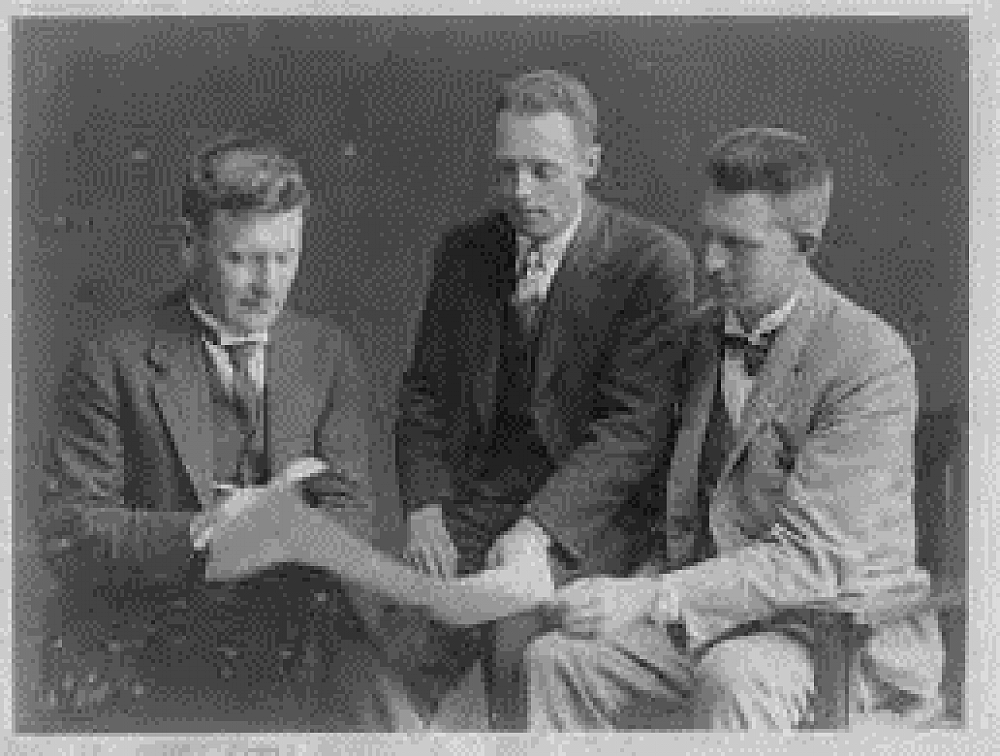
Architects Hugh Grierson, Keith Draffin and Kenneth Aimer.
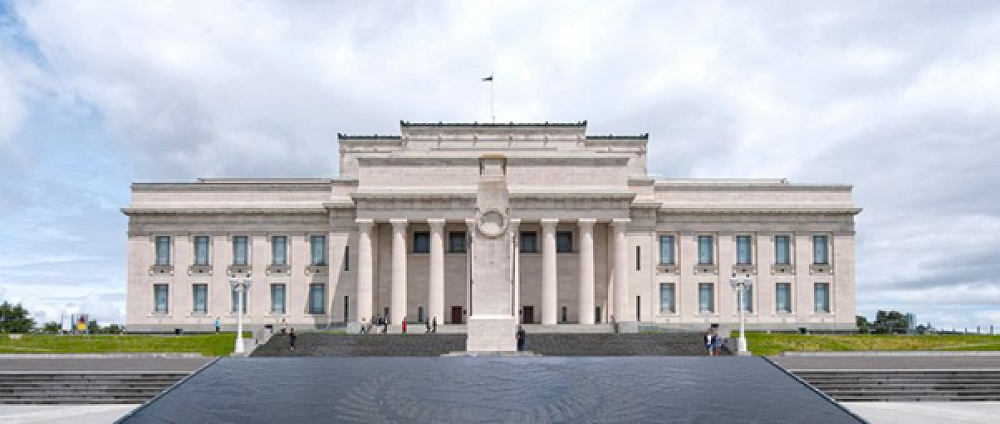
The Classical Greek style represents the great courage of the New Zealand soldier, and emphasises the ‘classical’ tragedy of such battles as Gallipoli and Passchendaele. Draffin hoped to “evoke this collective memory for veterans and to immortalise in New Zealand the part of the world in which many of its young men died, (without proper burial)”.
The building was directly inspired by the Parthenon, (c446-400BC) the temple to Athena, patroness goddess of Athens. The pictorial metopes on the Parthenon have a theme of warfare, alluding to the Persian wars, but interpreted as mythological conflicts i.e. The Trojan War.
On the Auckland Museum frieze they are of the different soldiers who served in the First World War. In front of the building is a cenotaph (invented by the Greeks), an empty tomb to honour the unknown soldier. This is a copy of the WW1 cenotaph at Whitehall, in London. The interior front atrium (entrance hall) is based on the Roman baths of Caracalla, (211-217) with the connecting Ionic columns which lead into the Maori court based on the Proplyaea, the entrance structure to the Acropolis, c437-432BC.
A major exhibition is opening from the 10th June 2022; the Ancient Greeks: Athletes, Warriors and Heroes.
The museum first opened in 1929. After the Second World War a similar styled extension was built to commemorate this, with later conflicts i.e. The Korean War, attributed in the rear semi-circular atrium, which was opened in 1960.
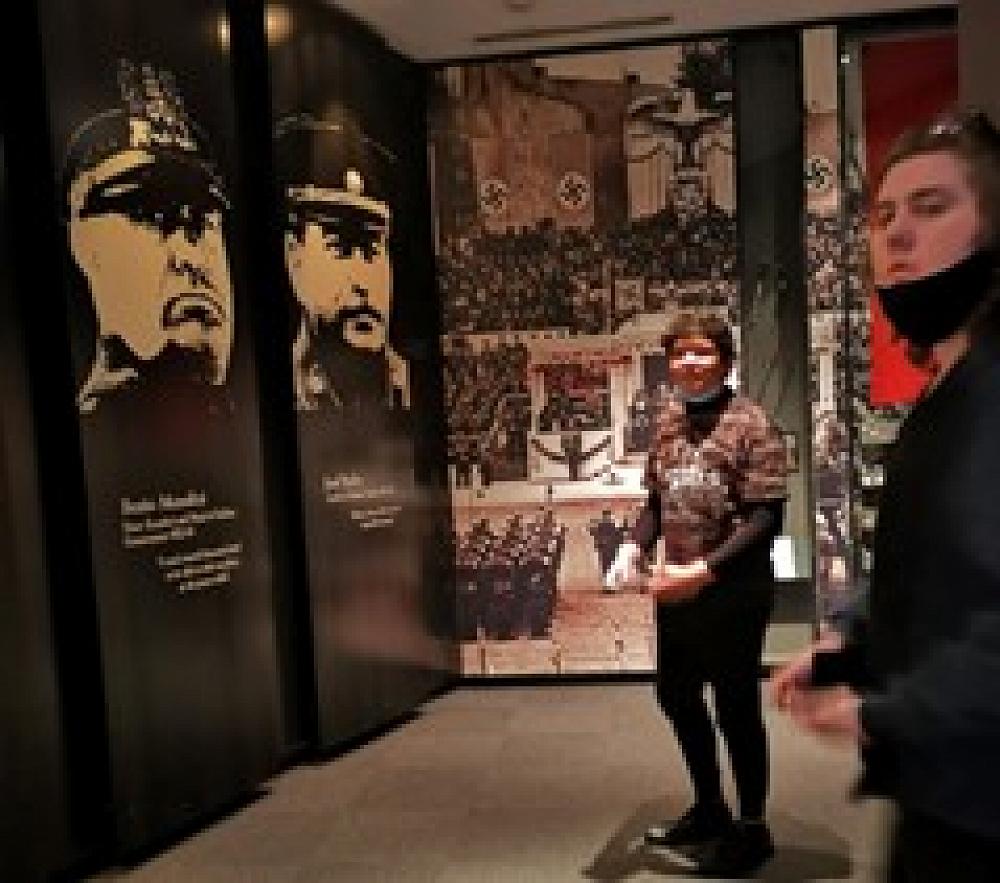
Our young historians were unable to study this exterior due to the weather, but then had extra time to explore the interior exhibitions. They paid particular attention to the Holocaust Gallery, The New Zealand Wars, World War 1 and World War 2.
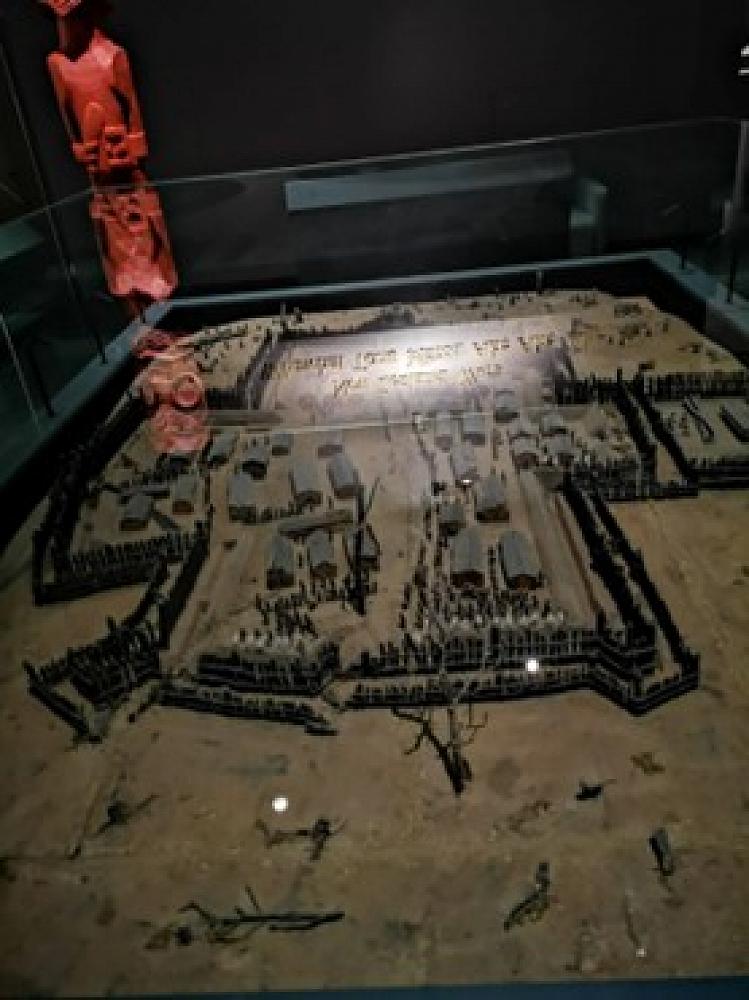
Model of Kawiti’s Ruapekapeka Pa 1846 - the battle that ended the Northern War
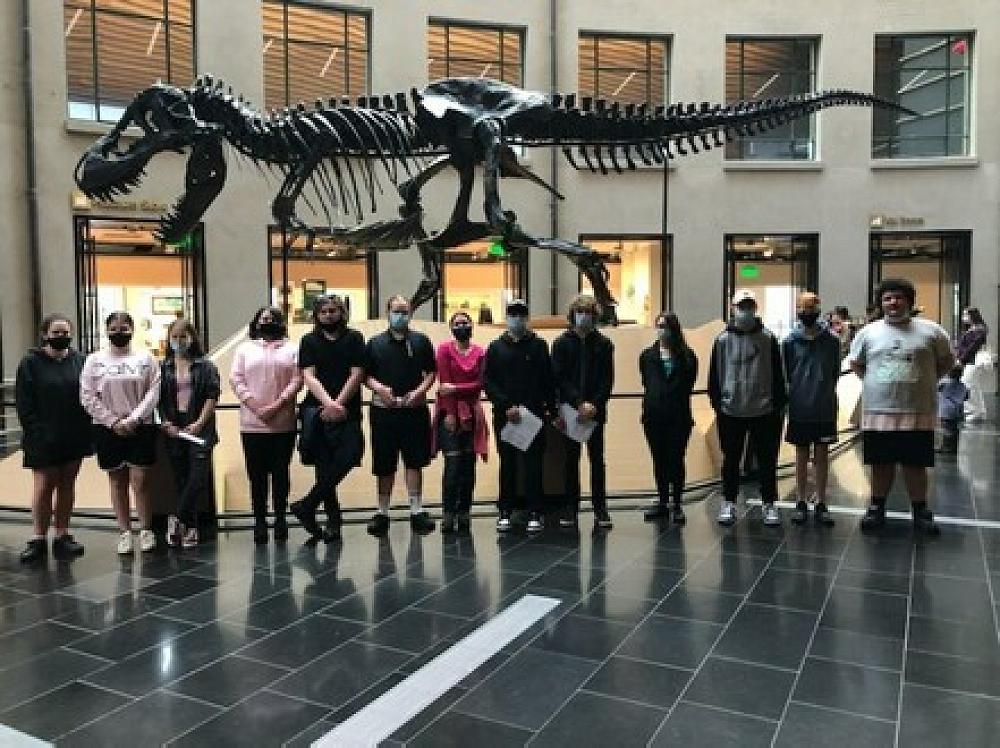
The new installation of a T Rex skeleton was also a great feature. A bit bigger than our tuatara!
MOTAT - https://www.motat.nz/
We then travelled over to Western Springs to the Museum of Transport and Technology. This iconic museum first opened in 1964, and was created by a collaboration of the Old Time Transport Preservation League, the Royal Aeronautical Society and the Historic Auckland Society - all volunteer organisations.
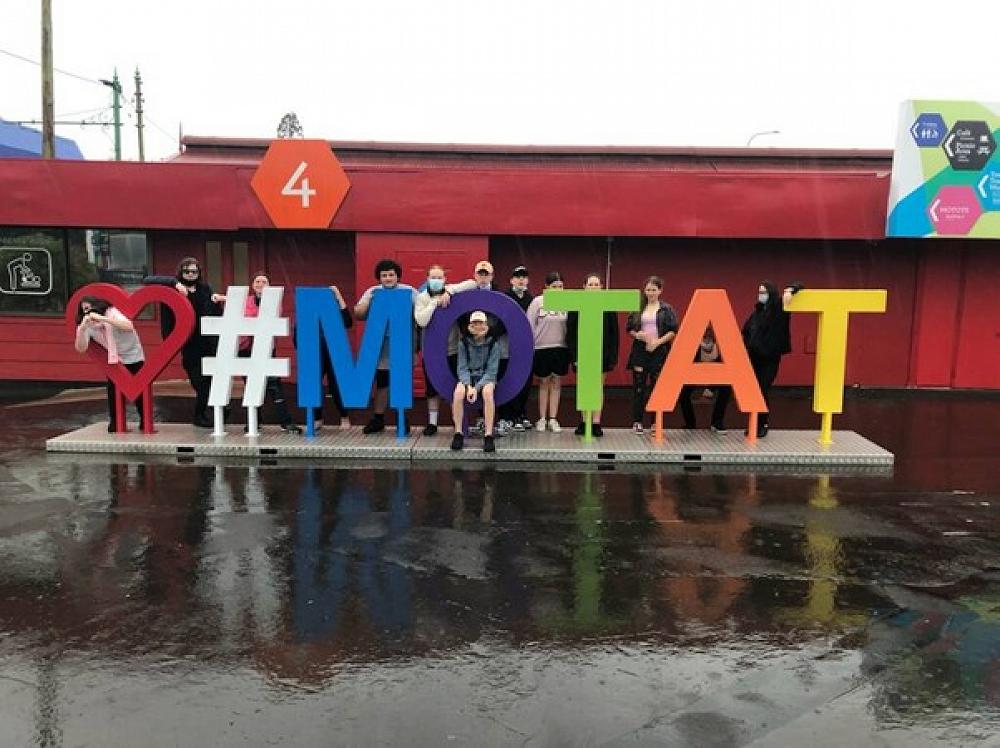
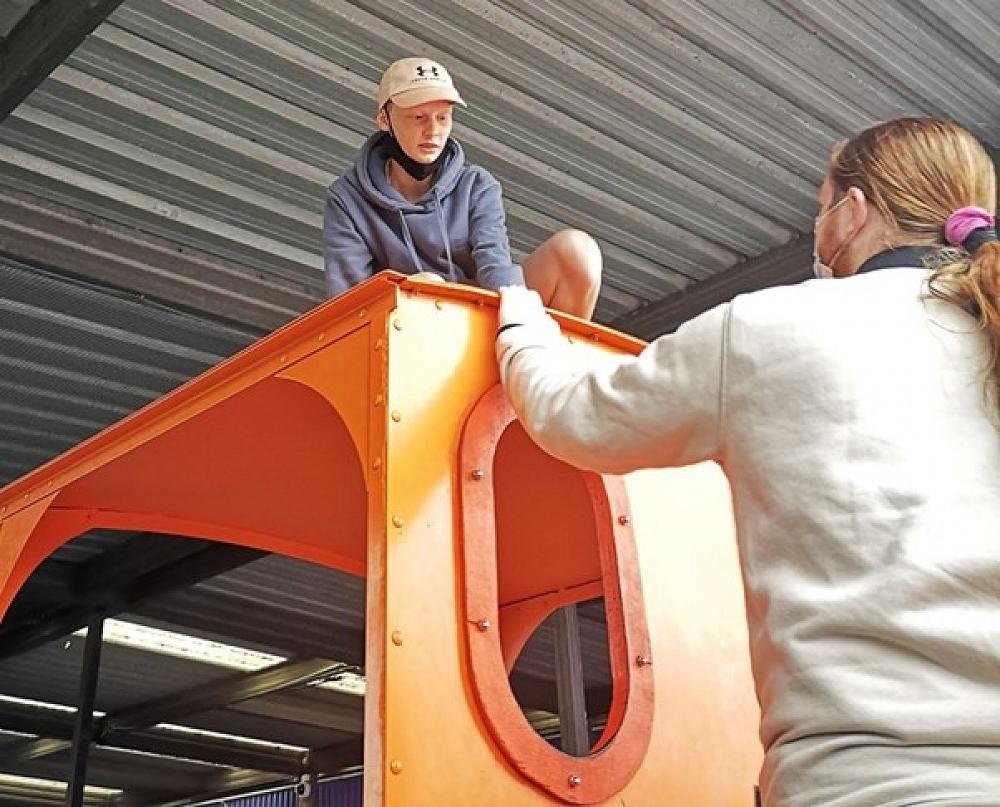
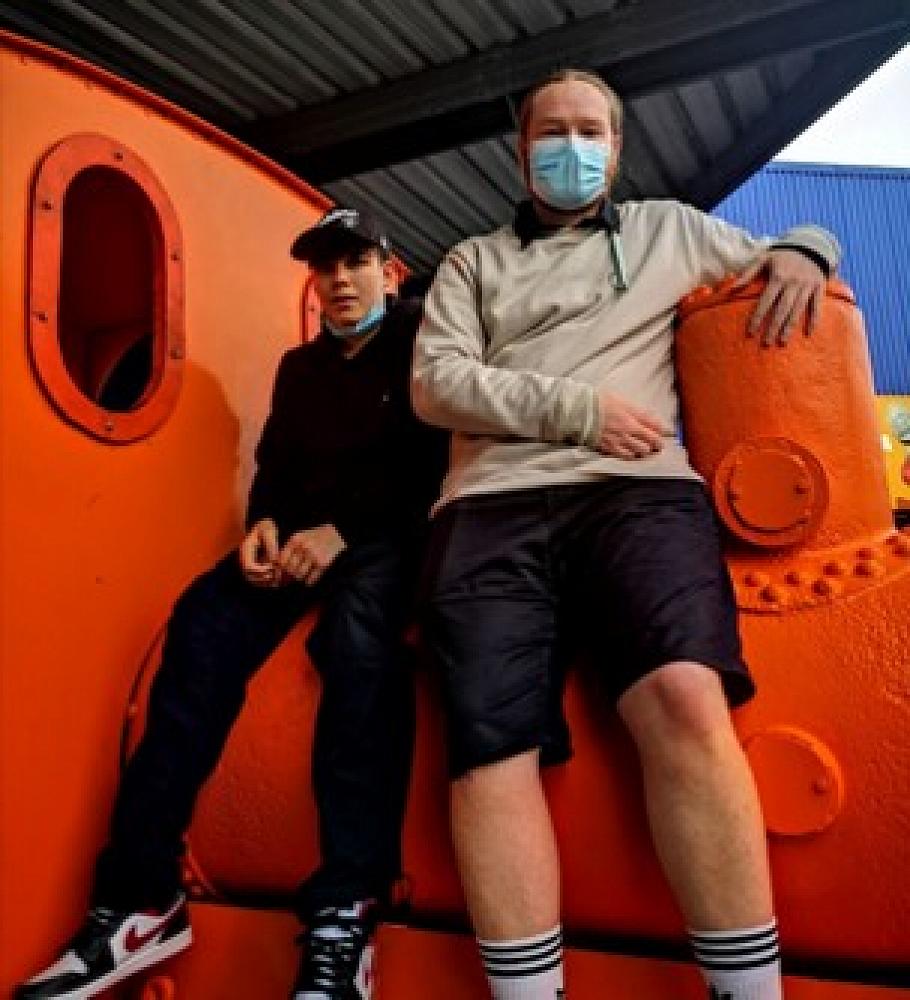
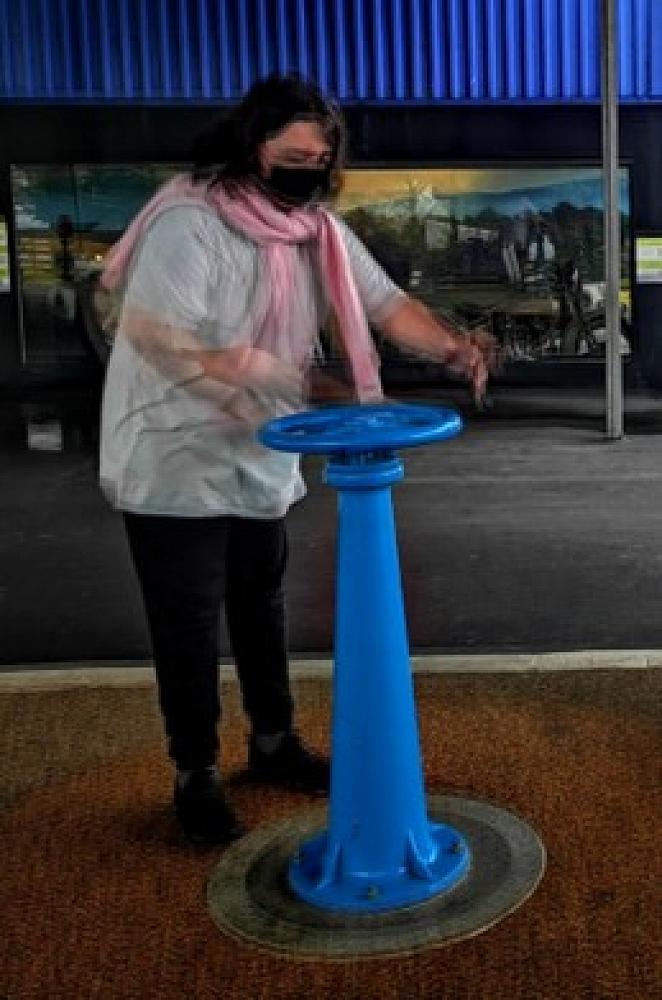
The site was gifted to the group in 1963, and houses the original brick pump house, another heritage building. This used to contain the machinery that pumped water from the nearby lake to reservoirs in Ponsonby, 1877-1910. The museum’s mission is to ‘highlight Kiwi innovation and ingenuity”, and has many engaging interactive activities. Our young historians especially enjoyed the Telecommunications, Firehouse, Pumphouse, and Machine Makers exhibitions. Playing with the installations was the final episode to an enriching experience for everyone.