
Positive Education
Risk Management & Success
With the end of year fast approaching senior students at King's, many students who take Technology and DVC are using their time to complete their work. However they run the risk of not completing their work because they run out of time. The project work they are required to complete needs to be supported by a portfolio that shows evidence of their decision making. It is this portfolio that gives them their final grade for assessment.
Positive Education includes building the resilience of students in the face of problems and adversity. In order to be resilient, students need to be able to manage risk. Students unable to manage risk leave themselves open to uncertainty, helplessness and frustration, all contributing to a sense of disempowerment and lack of confidence and well being.
The risk for some students of Technology is they will finish their project but not their portfolio. This is the very nature of Technological Practice. In Technology, students are held to account for how they use their time. Time is their currency and how they spend their time will determine the return on their time investment.
If a student is not prepared for an exam, they will engage in cramming for the exam, investing a short focussed amount of time on learning what they need to know in order to pass their exam. This is a skill set that can be developed and many students succeed using this method. For Technology, they cannot cram the development of a skill to complete a project. Therefore Technology students need better tools.
What students learn in Technology is risk management. What are the risks to the project not being completed in time. Many of us have had experiences of workshop practice involving the use of safety glasses and earmuffs (PPE: Personal Protection Equipment), to minimise the risk of eye and ear injuries. These practices are reinforced in all schools around the world. But how do we manage the risk of running out of time, or not having the materials to finish the project, or knowing what the steps are in order to complete the project. These risks are real and will determine our level of success.
We use planning tools to assess the risks and then manage the risks. All technological practice in our society utilises these tools to ensure they stick to time frames and budgets while minimising injury to workers. These tools are embedded in successful outcomes.
Flow Chart: is a pictorial presentation of the steps involved and the resources used at key stages of the building project.
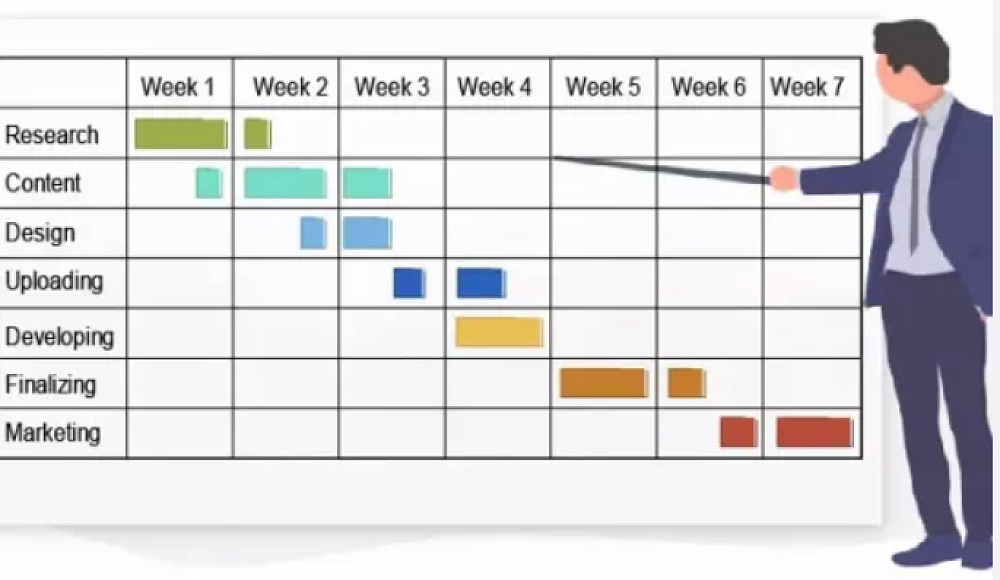
Gantt Chart: is a chart that maps the activities to be completed and the time given to each of the activities.
Cutting List: is a list that identifies the materials, fastenings and fittings a project requires.
Goal Setting: breaks down the activities into smaller, achievable tasks to be completed. Known as SMARTER goals, they support the organisation and management of a students time.
When students engage with these tools to inform their practice and minimise their risks, they are more likely to succeed in their problem solving and project work. These tools are real world and reflect the actualities of life. These skills are transferable and can be used in personal and professional activities. They are tools to build resilience in people, our ākonga. By developing habits that include these tools, ākonga can work towards minimising risks in their world and feel all the more better living in it.