
Positive Education
Language and Wellbeing
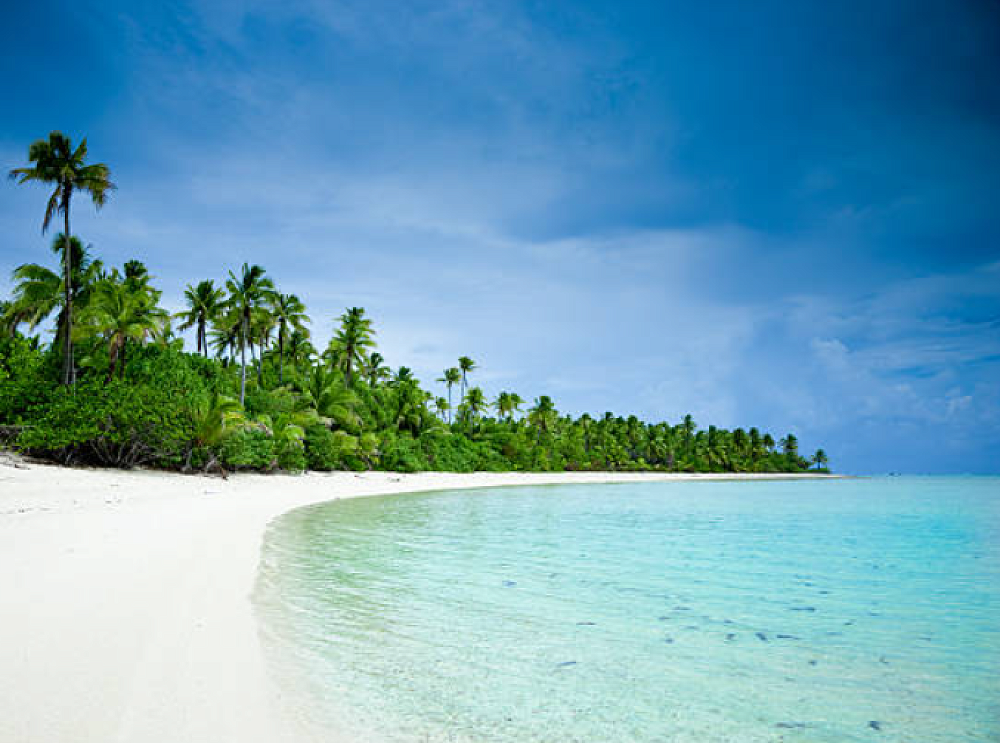
For the past week we have celebrated Cook Island Language Week and, despite being quite far from the Islands, we were able to say greetings and celebrate the culture in Dunedin. “Kia orana” was said a lot during this week and I honestly believed that every time I said it, I thought of swaying palm trees, long sandy beaches, and a clear blue sea as endless as a daydream! So rich are the words in every one’s language, and so strong its mana, that sometimes nothing has to be said; a simple gesture could be all that it takes for you to feel welcome.
English is the most common spoken language in Aotearoa New Zealand, while Māori and New Zealand Sign Language have special status under the law as official languages. Aotearoa's rich diversity means there are many languages spoken in New Zealand with English, Te Reo Māori, Samoan and Hindi being the most widely spoken languages. Imagine being able to converse in these languages as well as immerse yourself in the different array of cultures just because you knew the language. I could be saying “Tena Koe” here, sharing a joke with my “uso” there and conversing in Hindi to find out how Diwali preparations are coming along.
At King's High School, you can almost feel the diversity in the multi-cultural groups being represented in the school. At interval and lunch, you can hear the hum of voices of excitement, discussing, arguing, negotiating, or simply listening – and most of this, in English. An intriguing concept, because despite our different backgrounds, we all agree to speak English. These voices, that accent can clearly be identified and recognised. The distinctive voice of the groundsman, the authoritative tone at the assembly, or the friendly banter in the halls and the corridors of the school, all contribute to the breathing nature of the school. In all contexts this rhythm in voices is what defines the school and can often be the core memory that some of the students relate to their experiences in education.
School celebrations for Language Week have been a great way to showcase the uniqueness of your culture. Being bilingual can be celebrated and understood in its context because it can be a problem when you think “iTaukei Fijian” and yet you’re expected to speak or write in English. For some of us, speaking and sharing the language can be a welcome relief when you’re able to converse with someone who understands the language and the intricacies of the culture. In the context of being an “iTaukei Fijian” living in the South Island these interactions could be few and far between. These interactions can often bring the Islands closer, giving an important opportunity to reflect on your culture. For some students in the school, celebrating Language Week is often an experience of celebrating their culture and it may be the only opportunity that they can have in identifying with their culture.
So, in singing the songs, wearing the “Lavalava” and in celebrating the unique foods of the culture, we bring a bit of the Islands to the far south of Aotearoa, a place we’ve called home.