
Positive Education
Locus of Control
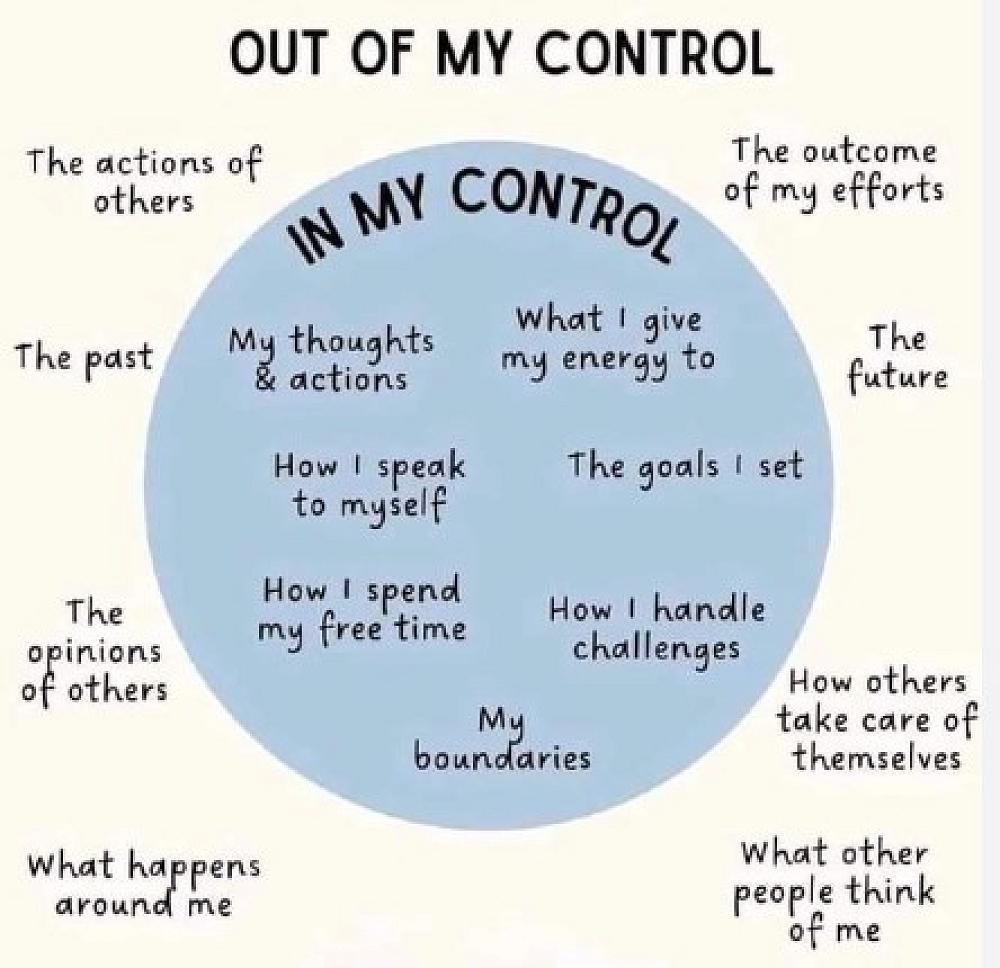
How effective we are as a problem solver is shaped by our locus of control. Simply put, our locus of control is our sphere of influence and impact to enact change. Glassers’ Choice Theory states that each person has control over only one person, themselves. All they can do is control the information that they communicate. It will be up to the other person to then decide, based on this information, what course of action they will take.
Our locus of control changes over time, expanding as we get older and connected to our world. There will be times where we will also need to know the limits of our locus of control. Our ability to recognise the extent of our locus of control shapes our confidence and capability in navigating an uncertain future. If we are not given good tools to wield the power of our locus of control, the outcomes would be unsatisfactory at least, violent at worst and self destructive.
Boys education is required to give them personal development tools to feel empowered, able to take on responsibility, be resilient in the face of adversity and overcome problems with innovative and sustainable solutions. Recognising and developing their locus of control is an essential step in their positive education learning journey.
This journey begins by recognising that they have control over themselves. They have control over their breath; their thoughts; their words; their actions and their reactions. All other matters and events are outside of their locus of control. So in times of uncertainty, moments of anxiety, a good tool to re-centre your locus of control is to focus on the breath. It is a simple measure, but forms the foundation of yoga, meditation and mindfulness.
Studies have shown that our locus of control and ability to solve problems is good for our health. Two rats were placed into an environment where they were given mild electric shocks through a grill on the floor. One of the rats had access to a lever. When they worked the lever, the electric shocks would be reduced. This connected their locus of control to their behaviour by recognising that if they pressed the level they had control over reducing the electric shocks. This process of empowerment contributed to their resilience. So even when there was no change to the electric shocks even when they were pressing the lever, their well-being in the situation was increased due to their greater perceived sense of control over the situation.
Our understanding of the locus of control goes way back to the times of the Greek philosophers where a group known as the Stoics would state these simple truths regarding personal empowerment and control. Here are some quotes that are insightful to the Stoics:
‘The happiness of your life depends upon the quality of your thoughts'—Marcus Aurelius
‘I will not abandon my ship to the storm’—Epictetus
‘We suffer more often in imagination, than in reality’—Seneca
‘No man is free who is not a master of himself’—Pythagoras
‘You have power over your mind, not outside events. Realise this, and you will have strength’—Marcus Aurelius
Stoicism focuses on knowing what you have control over in this world, and once accepted, your personal development focuses on being the best version of yourself. This starts with the thoughts that you have, about the words you say about yourself and your place in this world.
Listening to what your son may say about a situation will give you insight to how they wield their locus of control. A student who says things such as: “I made this happen.”, “It's my fault.”, “I can do better.” “I can..”, all exhibit an internal locus of control. That shows they are making clear connections to their choice of actions and the outcomes created. This is a very essential mindset. This behaviour demonstrates a growth mindset.
When students say something like: “I always have bad luck.” “Why did this happen to me?” “It never works out.” “It was the teachers fault that the exam was hard.” “I can’t…”, all exhibit an external locus of control. This shows they are not making connections between their choice of action and the outcomes created. This reduces their ability to solve problems, which diminishes their locus of control.
One of the tools that I use when working with students through their problem solving process is when I hear a student say they can’t do something, (fixed mindset), I add the word YET!, at the end. This helps them learn to recognise that learning is a process, and there are no absolutes to them reaching their personal excellence. When they succeed they are to recognise that it was their effort, their perseverance and courage that created this outcome.
This process of learning has increased their locus of control, lifting their confidence and capability, giving them insight to their true potential. Hence, understanding about our locus of control through the process of problem solving, they are actually solving two problems, and our society will be so much better for it.