
Positive Education: Pasifika solutions in a modern world. Solesolevaki
“One is too small a number to achieve greatness”- John.C.Maxwell
Solesolevaki or unpaid work, communal work for the greater good, has often been a customary activity that ituakei- indigenous Fijians have used to be able to meet socioeconomic obligations.
In this context solesolevaki has become a common practice by itaukei Fijians that live on customary land – Bula Vakavanua. Although this practice is common knowledge for the itaukei Fijian its principles are quite relevant today in highlighting issues of resilience, well-being, and effective practice of good governance.
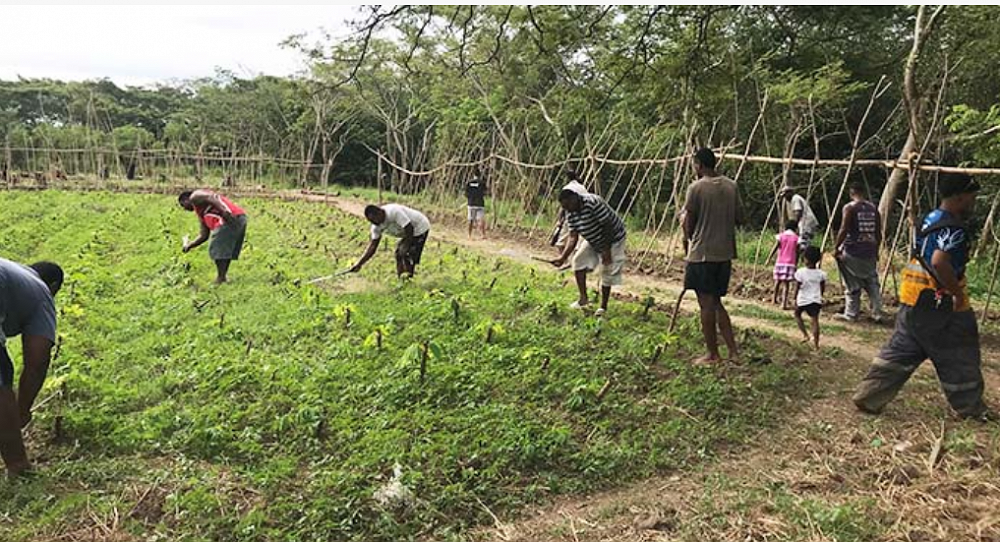
In a case study, a village looked at the resources that were available to them (land, culture, and people) and agreed to do solesolevaki on land given by the mataqali (clan-based land-owning unit), to run a farm managed by youths using a specific work structure. The farm initially started with Taro, Yam plants and Kava plants, progressing over the years in scale. The farm also diversified to include Pineapple and Sandalwood farms. The profits from selling the produce allowed the farm to put aside a set amount of money to cater for church, cultural ceremonies and education - these were sociocultural obligations previously shouldered by families living in the area.
These solesolevaki projects had been started by youths and had a weekly rotation concentrating on farms or important activities that were important to the needs of the clan as a whole.
Although the work was labour intensive, these youth relied on good leadership to carry out activities assigned for the week. Often these leaders did not have formal qualifications, yet they had a deep understanding of bula vakavanua and their decisions reflected love and compassion. An example of this interaction has been shown in the excerpt below:
- “It was after the lunch hour, then four boys appeared when 60 youths were already clearing the bush for a new plantation. The youth leader asked them why they were late and when he found out they had been on their phones, he simply instructed them to go and lift a log and carry it about ten steps to make room for planting. The other work continued, and the four boys tried with all their might to carry the large log—which it seemed was so big that only a machine could move it. After about 20 minutes, the leader called out to everybody and asked them politely to carry the log together. The large log was easily carried by the 60-plus youths and dumped ten steps away. The leader then with a smile told the four boys, ‘ni da ca’aca’avata a levu e’ da na rawata’ (in unity we achieve great things) (Iliesa Seru, November 2018, personal communication)” (Vunibola – Scheweys 2019)
Practicing solesolevaki enables the accomplishment of important tasks as responsibilities are shared. These tasks can be for a communal need—such as building footpaths through a village—or for comradeship, where people work together on an individual’s farm or tasks. This work system is a form of burden-sharing; an activity that usually involves much laughter - ‘the hands of many eases the workload’.
Solesolevaki is also a form of social protection for itaukei communities, where formal systems of state, aid agencies, and civil society are merged with informal systems—community, family, cultural systems, social networks, social safety net—for a significant chance of sustainability.
References:
Suliasi Vunibola and Regina Scheyvens (2019), ‘Leadership for inclusive development: Revitalising rural development in the Pacific: An itaukei (Indigenous Fijian) approach’, Development Bulletin 81, 62-64
John,C.Maxwell (2001), ‘The 17 Indisputable laws of Teamwork: embrace them and empower your team’ (Thomas Nelson Publishers 2001)