Te Reo Māori
Kia ora! Nau Mai, Haere Mai ki te reo Māori
Why is learning te reo Māori important? By learning te reo Māori young New Zealanders become more aware of the role that Māori identity, language, and culture play in our country’s identity. When we learn te reo Māori we grow as learners, as citizens of Aotearoa, and are better positioned to thrive in the future. The more we use te reo, the more our confidence grows, and the more the language thrives. Kia kaha te reo Māori!
The programme supports the development of te reo Māori language for the complete beginner up to Level 3 of the NZC. It focuses on useful phrases, basic sentence structure as well as a several aspects of tikanga Māori (way of doing things respectfully).
The programme will go at the pace of the learner, but Te Reo Tahi (level 1) usually covers greetings & farewells, expressing emotion, introducing family, asking about location, as well as numbers & days. Levels 2 and 3 will build on these foundations and introduce new language, grammar and structure.
Where children are more confident and fluent speakers, classes will be more advanced and language will be immersive.
Where children are learning in whole class situations it is very important for the class teacher to also be an active participant so that they can learn with their tamariki throughout the week. This approach will build confidence for new learners and deepen existing te reo Māori teaching capacity within the school.
Students in mixed classes will be expected to join Seesaw and contribute through various activities including recordings after Zoom sessions.
Kōtui Ako VLN - Learning Languages Curriculum Statement and Progressions
Want to see what students are learning?
Check out what learners of te reo Māori at Kōtui Ako Primary get up to:
Korero ki tō hoa mariko tuihono!
Ākonga say:
"I just like it [te reo Māori], it feels comfortable for me like I'm in my own skin and normal and learning my own culture."
"I love to expand my Maori vocabulary and Whaea Jen helps me with exactly that."
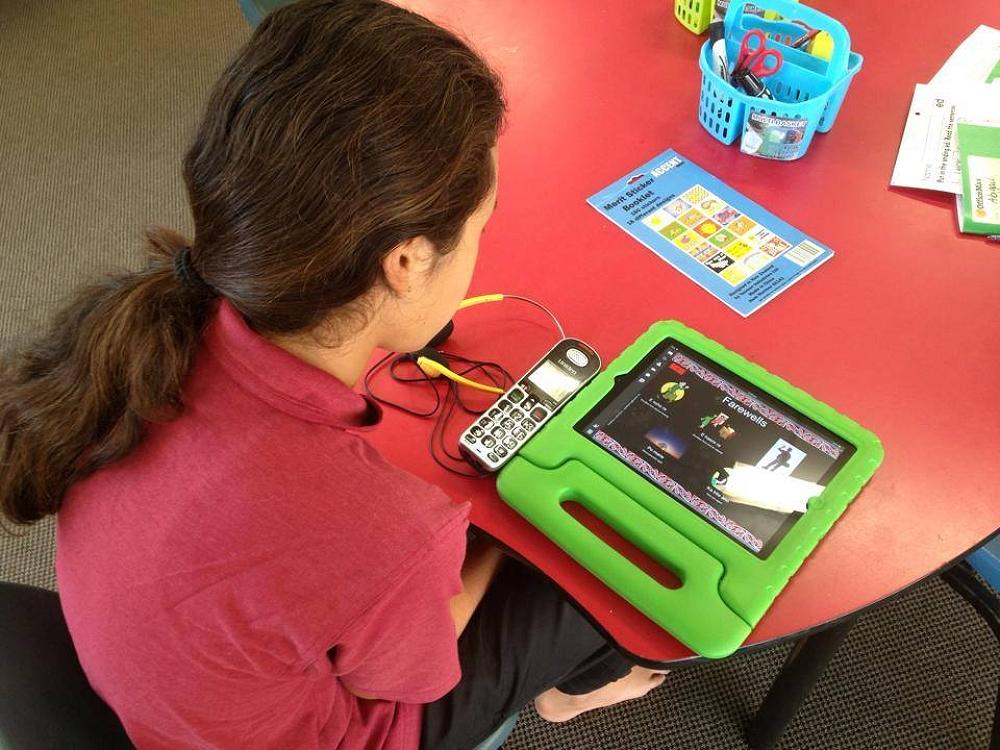 | | 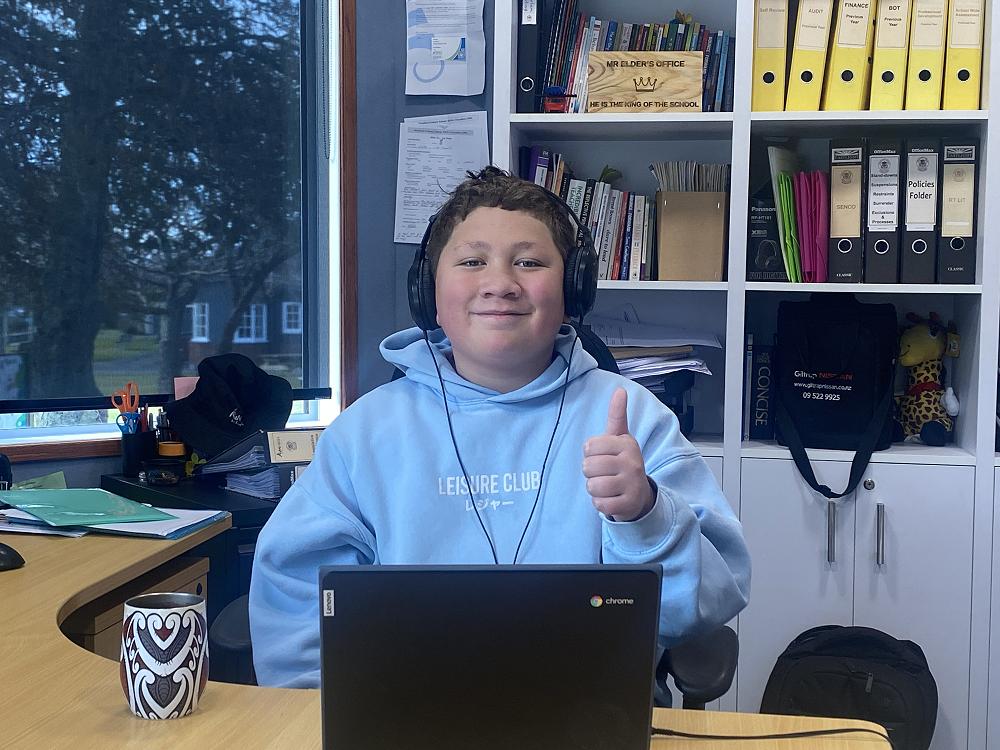 |
Paparimu School tamariki join in te reo Māori Online | Lake Rerewhakaaitu School ākonga | Ka rawe Te Whare Rumaki o Kōtui Ako |
Literacy Connections
Literacy - Understand
Communication depends on shared codes and conventions.
Language and literature give us insights into ourselves and others.
Language expresses, influences, and explores perspectives and ideas
Literacy standards
Oral Language
Interpersonal communication - Non-verbal communication: using gestures to support understanding.
Interpersonal communication - Listening and responding to others; Controlling voice using tone, volume, and pace.
Vocabulary, grammar and sentence structure.
Reading
Word recognition and reading enrichment - Decoding; fluency.
Comprehension - vocabulary, comprehension monitoring.
Writing
Transcription skills - handwriting, keyboarding, spelling.
Composition - sentence structures & punctuation (L2+); Writing to inform (L3+); digital text; word choice.
Writing process - revising.
Second Languages: a powerful tool for improving achievement in Literacy
Register your interest to participate
or contact us with any questions.