
Exploring International Approaches to Digital Education
Rick Whalley shared his recent study of how schools are faring in the use of digital technology on an international scale
Navigating the place of digital technology in contemporary education is a huge task. Navigating its place with artificial intelligence in the mix is even more so. As Rick Whalley found, several international jurisdictions grapple with the same challenges.
Embarking on a professional development tour across the UK, Ireland and France gave Rick the opportunity to investigate how schools abroad were leveraging digital technologies to engage students and support their education.
The PLD was focused on:
1 . Artificial Intelligence in Education
2 . Information Technologies Supporting Learning
3 . Learning/Teaching Methodologies and Assessment
4 . Social Context and Learning Environments
5 . Ubiquitous Learning.
The key findings from this trip were shared in an August PLD session to NEX Kōtuitui members. The main findings were:
There is a global concern for attendance and engagement: Both the UK and Ireland face challenges in student attendance and engagement, with virtual schools playing a crucial role in addressing these issues.
There are diverse applications of digital tools: The use of digital technologies varies widely, but the focus should always be on targeting tools to meet student needs.
There is concern about AI in education: While AI offers significant potential, it also poses risks. Educators must stay informed and cautious about AI’s integration into teaching and learning.
Two studies from the trip stand out in particular:
Exploring Ireland's Engagement Strategies
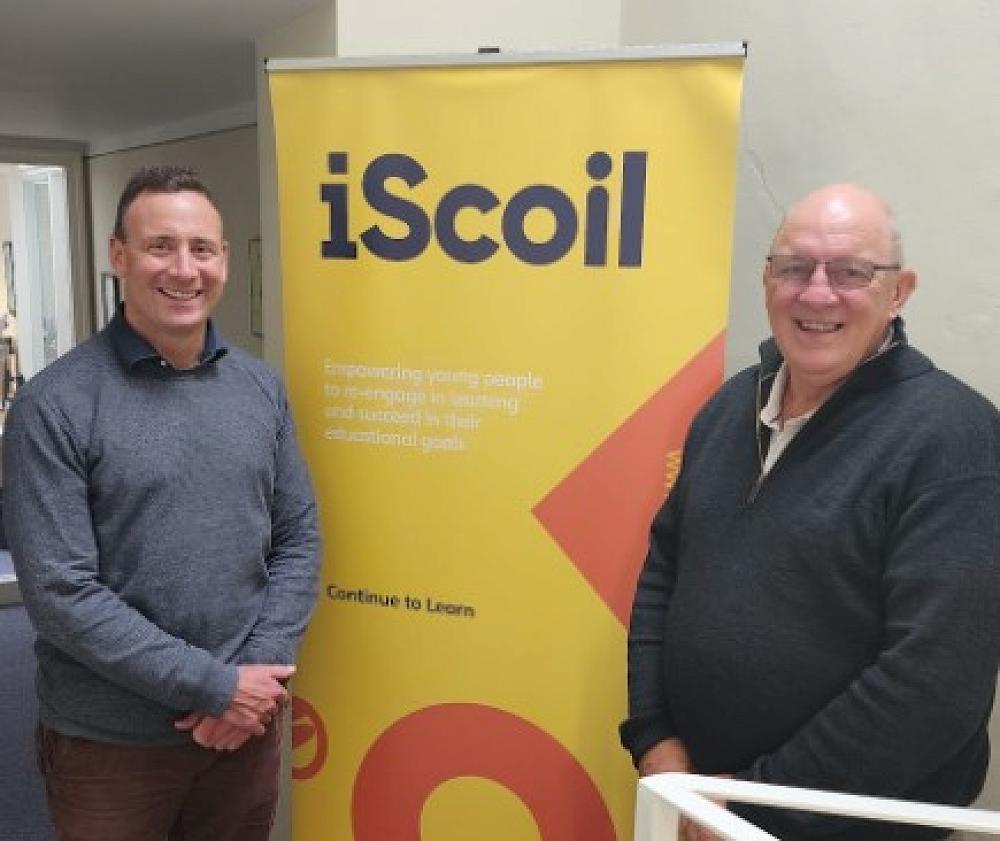
In Ireland, Rick visited iScoil, an online school for students aged 13 to 16 who cannot attend traditional schools. Funded by both government and religious institutions, iScoil helps students gain vocational qualifications. He also met with Michael Hallisy of H2 Learning, which provides guidance on professional development for online teachers and is part of the International Community of Online Schools (ICONS).
Attending the Conference on Computer Supported Education in France
Rick's tour culminated at a conference in France focused on computer-supported education. The conference emphasized artificial intelligence (AI), student well-being, and the future of education. Key topics included the ethical implications of AI, its potential to support administrative tasks, and the need for AI to enhance rather than replace human-centric education. Read more about this AI journey here.
Back in New Zealand, Rick has continued to implement strategies to support students with high truancy rates using online tools. He advocates for a more flexible approach to attendance, similar to the one adopted during the COVID-19 pandemic, where students could be marked as attending if they were engaged in learning activities at home.
In conclusion, Rick Whalley’s professional development tour underscored the importance of digital technologies in modern education. By learning from international practices, Rick hopes to enhance New Zealand’s approach to engaging and educating students in an increasingly digital world.