Cultural Narrative for Leithfield School - Te Kura o Kōwai
Leithfield School - Te Kura o Kōwai
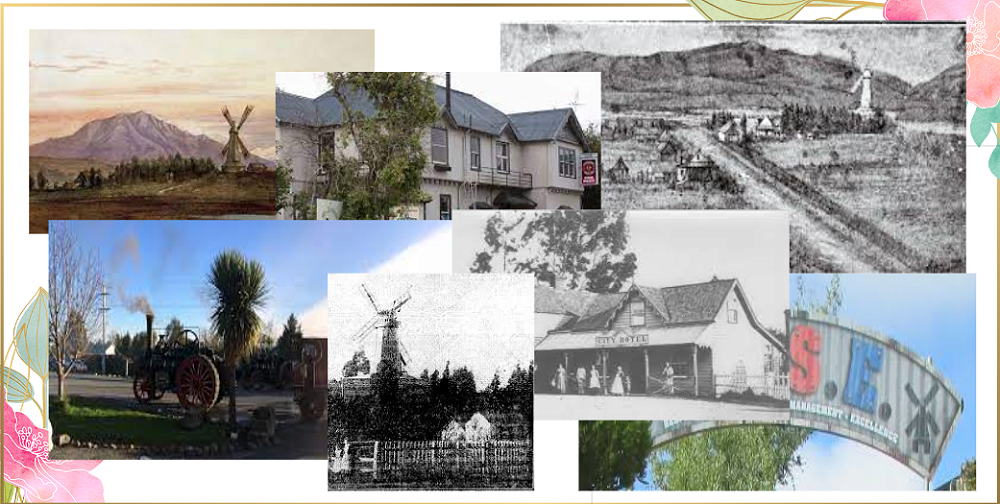
Leithfield school was founded in 1864 in the village founded by John Leith. His windmill appears on our logo and embodies the rich history of Leithfield village. Leithfield school is situated alongside the Kowai river and under the gaze of Mt Grey, Maungatere; these places (among others) hold a special place for our community. Our school reflects this significance in our dual name Leithfield School - Te Kura o Kōwai and throughout our mihi and day to day kaupapa.
Recently, our school logo has undergone a transformation to embrace the significant places that hold both historical and contemporary importance in our area.
*Thank you to Lee Copplestone for working with our board to design the new logo.

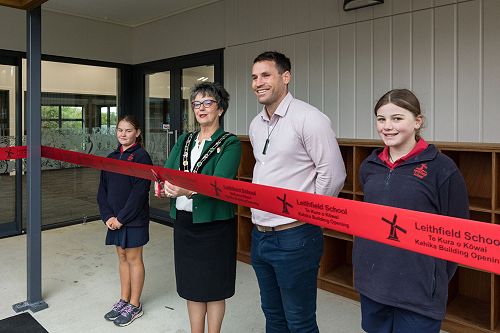
As our tamariki go through our kura, they are grouped into our akomanga named after birds in our area. The birds ingoa are Kiwi, Ruru, Kererū, Kōpara, and Tūī. They fly through the classroom spaces which are named after trees and shrubs from our area. The classroom names are; Kahika (overall name for the newest building), Tarata, Tawa, Mataī, Tawai, Tī Whanake, Kōtukutuku, and Karaka. This is reflected in our school whakataukī / proverb
Ko te mana e kai ana i te matauranga nona te ao
The bird who partakes of the miro berry owns the forest; the bird who partakes of education owns the world

Our Tūrangawaewae, Our place:
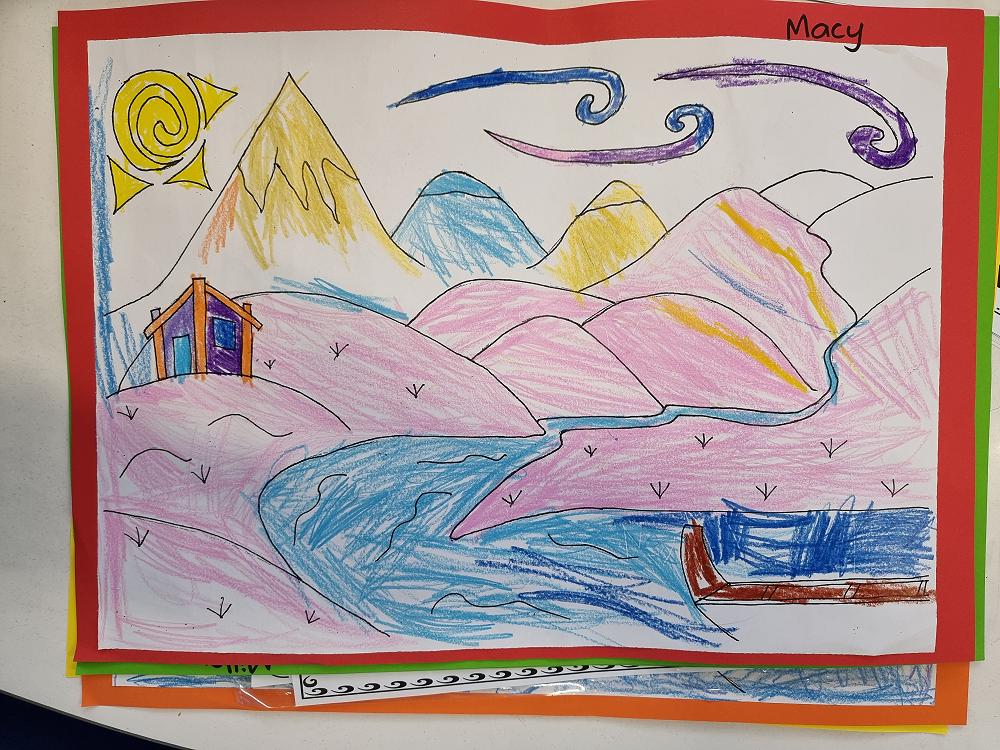
Kōwai River
The Kōwai River is between the Waipara River to the north, and the Ashley River to the south. Some accounts say the name means “separate”, however to Māori, the original name for this river was Kōwhai, in reference to the proliferation of kōwhai along the banks. This spelling and pronunciation has become the accepted name for this river. The river has two branches. The main (southern) branch drains much of the eastern part of Ashley Forest whilst the north branch rises in the area of Mt Grey. The two branches meet just west of Leithfield, then flows just north of Leithfield into a small estuary. The river is frequently dry, with the river mouth closed more often than not.
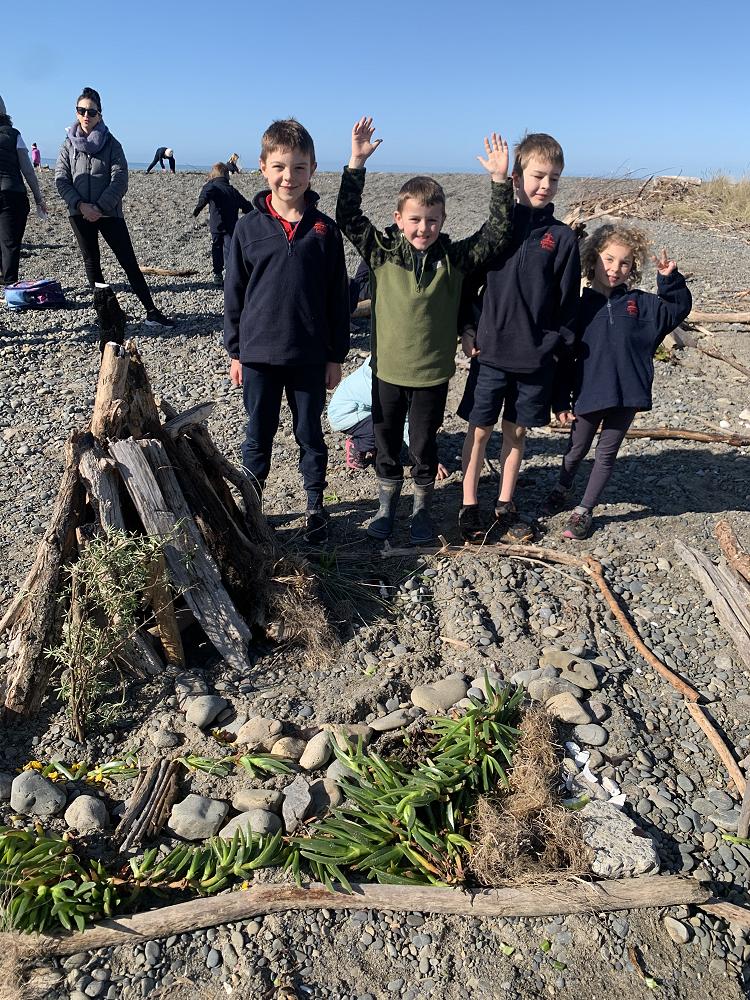
Maukatere / Mt Grey
Maukatere (Mount Grey) is a mountain which the local Ngāi Tahu hapū of Ngāi Tūāhuriri strongly identify with. It is a dual named mountain, and is known as Maungatere/Mount Grey. Maukatere is the southern dialect Kāi Tahu name for Maungatere, where the ‘ng’ is said as a ‘k’, and of course the spelling changes too.
Maungatere/Maukatere is the same place and either name is fine to use. There are multiple tracks in and around Maukatere with stunning views from the top overlooking Kā Pākihi-whakatekateka-a-Waitaha (the Canterbury Plains). Tracks provide visitors with a range of walks through remnant native tawai/beech and podocarp forest. There is a variety of birdlife to be seen and heard in this forest area. Native species include pīwakawaka/fantail, kōpara/bellbird, mirimiro/tomtit, riroriro/grey warbler, kererū/wood pigeon and titipounamu/rifleman. Introduced species include chaffinch, red poll, blackbird and song thrush. A prominent feature of the Mt Grey/Maukatere area is the native clematis vines with the eye-catching treetop display of white flowers during spring.
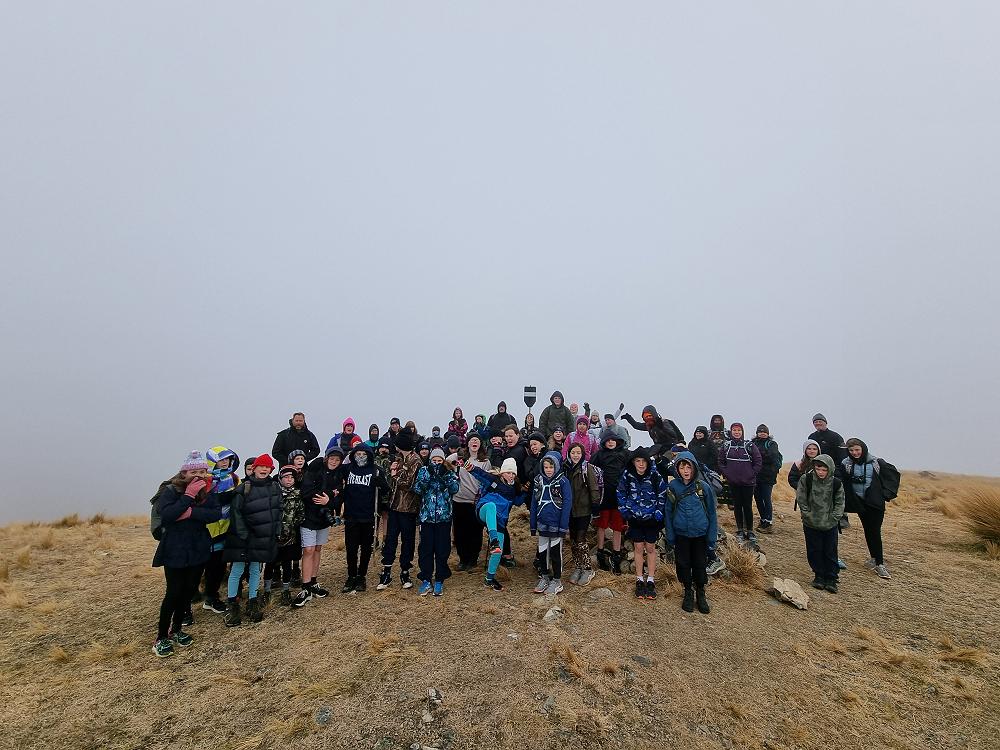
Rakahuri River / Ashley River
Rakahuri (the Ashley River) flows generally south-eastwards before entering Te Moana-nui-a-Kiwa (the Pacific Ocean) at Waikuku Beach. The Rakahuri has long been a source of mahinga kai for Ngāi Tūāhuriri. During the 1879 Smith-Nairn Royal Commission of Inquiry into the Ngāi Tahu land claims, Wiremu Te Uki and others from Ngāi Tūāhuriri recorded Rakahuri as a kāinga mahinga kai (food-gathering place) where kāuru (cabbage tree root), aruhe (bracken fernroot), tuna (eels), matamoe (shortfin eel), and panako were gathered. The most important place for taking food was at the river mouth, known as Te Akaaka. The lower tributaries are important breeding habitats for inanga (whitebait), waikōura (freshwater crayfish), tuna (eels), and others. Various types of freshwater shellfish were also taken from the Rakahuri. However, this local resource has now largely disappeared, mainly due to the decline in water quality. Taranaki Stream, a tributary near the Taranaki floodgate, is the most important mahinga kai in a modern context on the Rakahuri. During the whitebait season, Ngāi Tūāhuriri have traditionally camped by the Taranaki to catch fish by setting up make-shift huts on the stream banks.
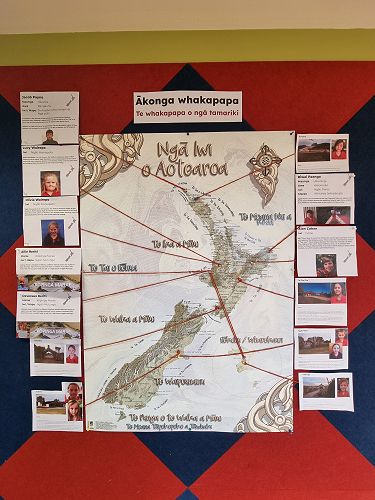
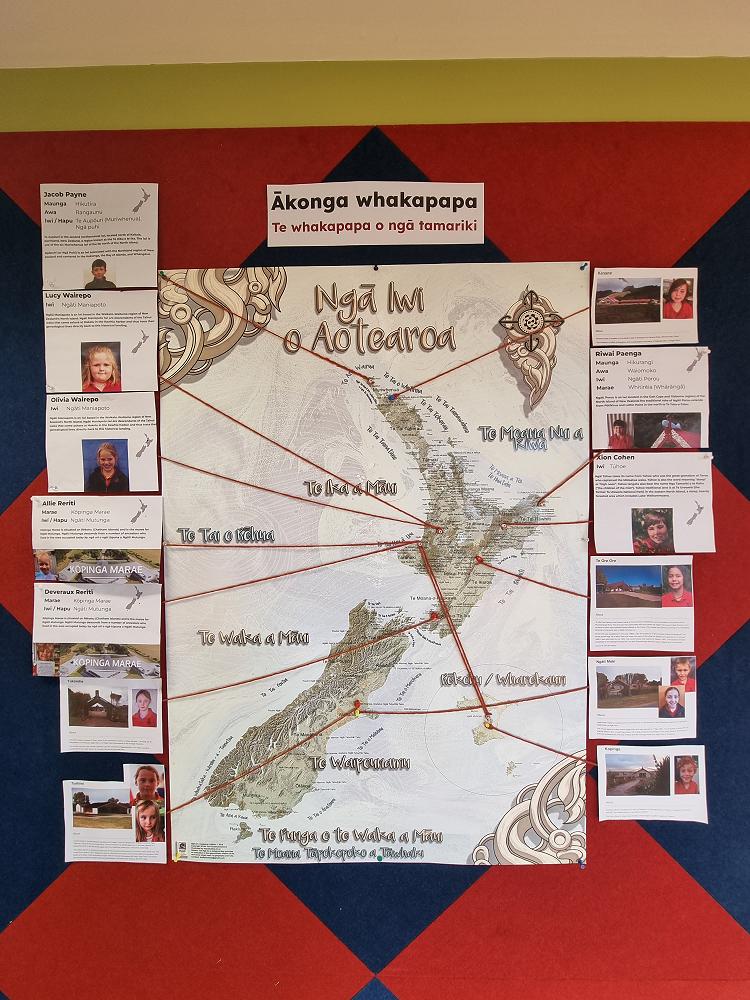
Our tamariki & whānau at Leithfield School - Te Kura o Kowai come from all corners of Aotearoa, New Zealand. We encourage and support our tamariki to learn and be proud about their family history and whakapapa.
Gallery