
Place Based Education at LPS
What is ‘place-based education’? “Place based education (PBE) immerses students in local heritage, cultures, landscapes, opportunities and experiences, using these as a foundation for the study of language, arts, mathematics, social studies, science and other subjects across the curriculum. PBE emphasises learning through participation in service projects for the school and/or community” from the Promise of Place website.
Click here to learn more from Promise of Place
Why place based education at Lyttelton Primary School?
1. Early in 2014 when we invited parents and teachers to a workshop on what we would value in our new school, a sense of belonging was the first priority. As we looked at beliefs, principles and practices that would support and enhance a feeling of belonging, knowing about our place and our people was at the top of the list as it resonated so well with the people and what we collectively believed for our school.
2. The PBE ethos resonated strongly with our staff as we were bringing two schools together and this would be an effective means of building shared understanding and developing relationships.
What did we do?
1. 2014 was a time to reflect and develop understanding of what PBE was about and how we might implement this philosophy into our school philosophy and practice
2. As a staff we developed an over-arching theme for our teaching and learning practice that would in turn, both reflect and support a PBE – ‘How communities build successful relationships?’
3. As a staff we brainstormed many possible inquiries (what we want to know more about through topics and curriculum learning areas) that could be developed from this statement. Teams then looked at possible inquires that would interest and motivate their children
4. PBE inquiries have included:
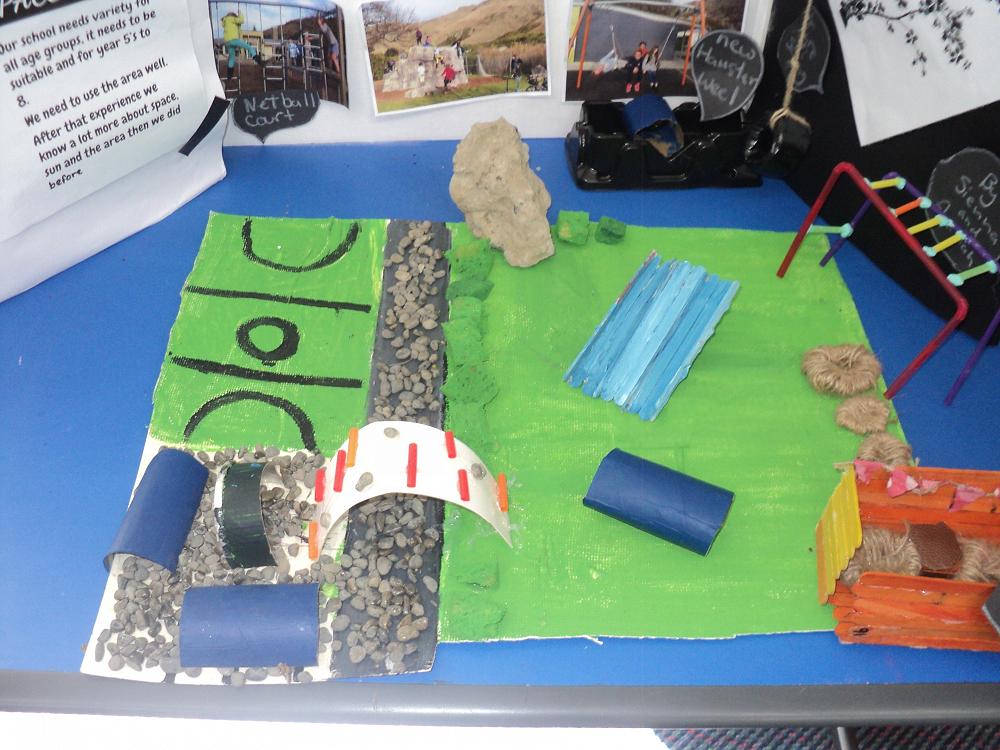
Team Totara – How do we use ICT to communicate with others? Project based learning where children are able to determine learning paths based on interests and passions Team Raupo – What would a playground for our new school look like, feel like and work like? Team Kowhai – How do we mimimise waste? Enviro focus Team Harakeke – Community animals and people in our neighbourhoods and what they do Across our School Port Science Immersion Days Creativity Time Community cooking and gardening Urumau reserve planting Matariki and marae visit Participating in the Festival of Lights Involvement with Whakaraupo Learning Community Cluster
How did we go?
· PBE themes have engaged the children and their teachers in their learning
· Planning formats and templates have been developed to support the ‘just in time’ planning required
· Teachers have explicitly taught inquiry models and how these support effective learning and encourage self-management
· Planning templates have been reviewed and adjusted accordingly
· Immersion Day was reviewed and determined a success by teachers who were excited to have the opportunity to teach science in depth
· Team Raupo’s playground inquiry culminated in a very successful presentation to parents and the community and this group will have an opportunity to work with the landscape designer
· Team Kowhai’s inquiry is continuing to evolve as they explore ways on reducing rubbish and they will work with the group that has declared war on plastic bags in Lyttelton
· Team Totara spent time investigating how communication has changed over time and used the local library as a resource and consulted with other local experts
· While it wasn’t always obvious, the over arching theme was relevant as all our inquiries and immersion time involved building and developing relationships with people within our school
· Creativity Time has allowed children across the school to build relationships with teachers and other children
· Matariki and the involvement in the Festival Lights was very positive. Principal invited to the kindergarten Matatiki celebrations and our school was included in the planning of the parade and performances
· Our visits to Rapaki Marae allowed parents to visit this amazing place. We have now been presented with a resource prepared for schools to learn about tikanga, kaupapa and history prior to and after visits. It is called Te Kete Ako o Rākaihautū
· Fully participating n community activities has been exciting and challenging for our children involved and has allowed them to experience the benefit and satisfaction of working in their community
· Planning supported the New Zealand Curriculum learning areas and expectations. Key competencies were included in planning and aspects from appropriate competencies were implicit and explicit in their implementation
· Staff and children developing relationships with our local schools and their people through a camp, sports and professional learning opportunities for staff, with a maths initiative planned for 2016
· Our Vision and Values were also present – all our strategic goals are reflected in our PBE as we encourage and expect our children to be self-managing and risk taking in their learning, and our teaching and learning reflects the move to Modern Learning Practice
· Building relationships with community groups through community projects such as cooking, gardening, weather station development and Urumau planting
What next?:
· To review PBE themes and track curriculum coverage over the course of the year for our teaching and learning
· To begin our planning for 2016 from tracking curriculum coverage to ensure all learning areas are covered effectively
· To continue to develop our Lyttelton Primary School curriculum to reflect our Values, and strategic goals, and meet the expectation of the New Zealand Curriculum
· To further develop opportunities for parents to participate, share and celebrate our learning
· To ensure student voice is captured in our planning and our teaching and learning inquiries and activities
· Through restructuring the leadership team, the creation of a Community Engagement Facilitator to develop and enhance opportunities to interact and work with our community