Head Lice
Head lice may be present amongst children in your child’s class. These insects are a nuisance and we need your help to control and/or eradicate them. Head lice crawl from head to head and may be passed on through shared objects such as hairbrushes and hats.
It is recommended that you check all members of your household carefully. Anyone can host head lice. Cleanliness is not a factor in whether head lice are present or not.
What to look for
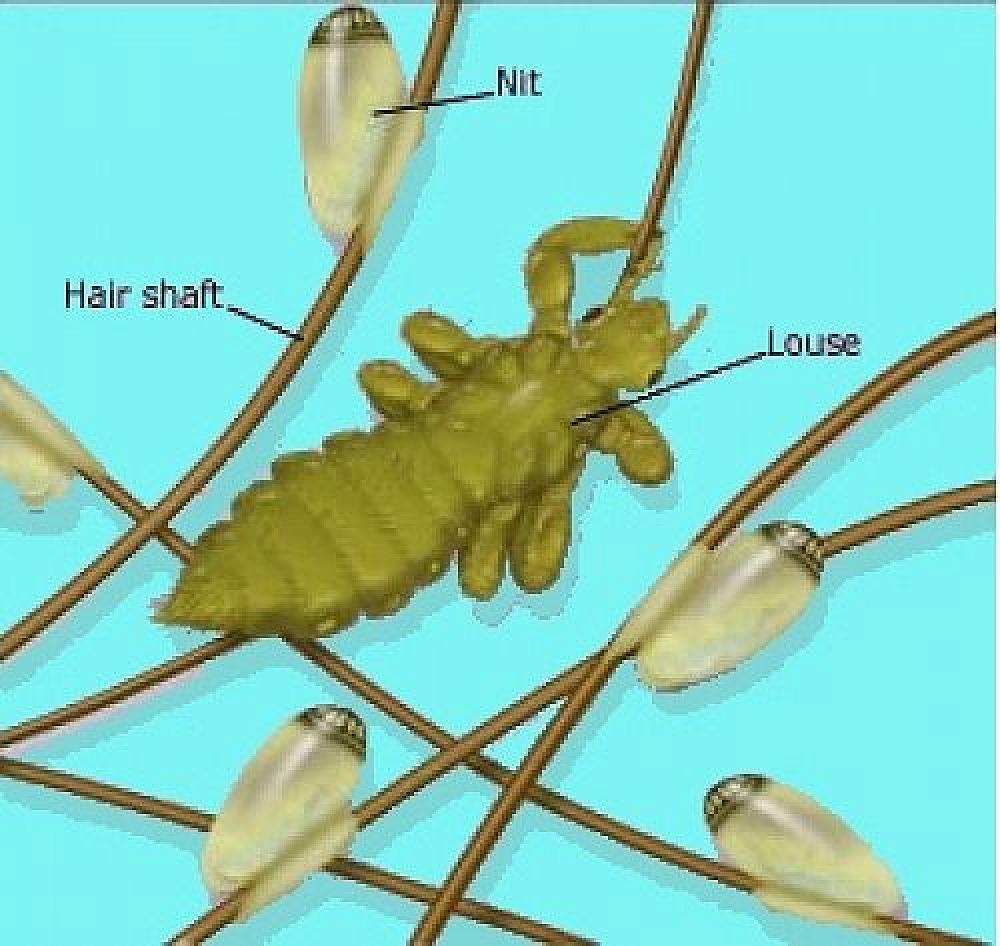
- Small light or dark brown insects without wings.
- Tiny whitish eggs (nits) like grains of salt attached to hair shafts.
- There may be unusual itching on the head or neck.
- Small red marks on the neck or behind the ears (head lice bites).
What to do
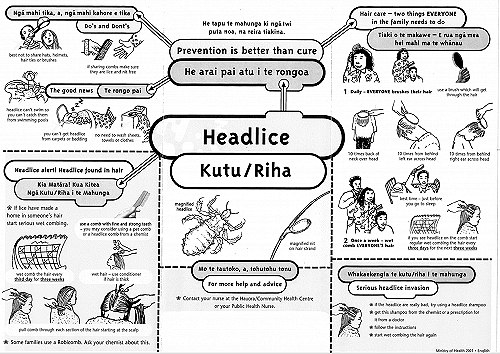
- Check all members of the household daily at the same time for at least three weeks.
- Treat anyone who is hosting head lice. Effective treatment need not be chemical or expensive.
- Please advise the school if you find head lice and confirm that treatment has begun.
- Be prepared to continue treatment for about three weeks depending on the method chosen. Three weeks is the length of the head louse breeding cycle; you need to break the cycle or infestation will continue.
- After each treatment, comb the hair with a fine toothed comb.
- Extra precautions will include washing all bed linen, pillowcases and towels in hot water and tumble drying for 20 minutes on high. Other items that have come in contact with heads should also be thoroughly cleaned.
- Soak hair brushes and combs in hot water for at least ten minutes.
- Vacuuming carpets and rugs may be helpful.
- Repeat treatment 7 to 10 days after initial treatment.
Treating the hair is no guarantee that the problem has been eradicated. Success is more likely if treatment is thorough, checking is daily for at least three weeks and children are reminded to avoid head to head contact with others.
What not to do
- Do not use shampoo, conditioner or a hair drier on hair within 24 hours of using a chemical treatment. Each of these can make the treatment less effective or cause it to fail.
- Do not use ordinary insecticides, pet shampoo or flammable petroleum products.
- Do not use chemical products if the person applying the treatment or the person being treated is pregnant.
Head lice treatment
New treatment funded - Dimethicone 4% lotion 200ml
- New – A new head lice treatment is now funded and available on prescription – it’s called dimethicone 4% lotion.
- Free – For children under 13, the doctor’s appointment and head lice prescription should be free (external link).
- Gentle – Dimethicone is not absorbed through the skin. It works by suffocating the eggs and lice.
- Effective – Studies show dimethicone can be more effective than other prescribed lice treatments.
A nit comb isn’t essential when using dimethicone, but it will help remove dead lice and eggs after treatment.
How do you use it?
- Coat hair from the roots to the tips, combing through hair only if necessary to spread the lotion.
- Leave on overnight (or for at least 8 hours).
- Wash out with normal shampoo and conditioner.
- Repeat treatment in 7 days to suffocate remaining eggs and lice.
A fact sheet from our Public Health Nurse is attached and more information regarding head lice is available from the Ministry of Health site.
Our Public Health Nurse welcomes referrals for any families really struggling with this issue. Please email/speak to Jenny to request this service.
Thank you for your co-operation.
Gallery