Developing a shared understanding of a Structured Literacy approach.
You would have heard the term Structured Literacy being talked about in the media? from your child's teacher? or perhaps even your child themselves? This isn't a new way of of teaching and learning at Macandrew Bay School, in fact we are ahead of the game! Check out the newsletter each week for a Structured Literacy snippet so we can all reach a shared understanding.
Structured Literacy is an evidenced based approach that has been developed from scientific research as to how children learn to read. It is an approach that begins with teaching the foundational skills of Literacy. Structured Literacy is an umbrella term first used by the International Dyslexic Association in 2006 which describes an approach to teaching literacy that explicitly teaches systematic word identification and decoding strategies.
We started our journey with Structured Literacy in 2021 after our school data was showing us that the number of tamariki that did not have a strong foundation for reading and writing was increasing each year. We knew we needed to find out about different ways of to teach the foundational skills and our staff have spent a significant amount of time researching and undertaking professional development over the last 3 and half years. There has been a big commitment from our teachers and teacher aides to up skill and change the way they teach Literacy. We have seen really positive shifts and progress in our achievement data across our school, especially with the tamariki that have been taught this approach from 5.
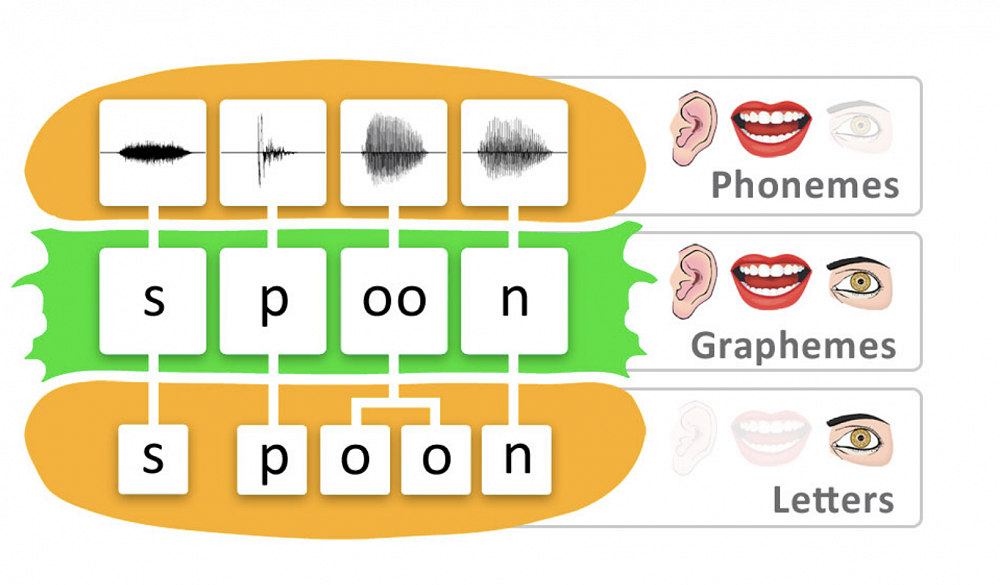
Did you know that, the English Language, an alphabetic code, has twenty-six letters and forty-four phonemes (sounds)?
There are more than two hundred spelling patterns, making it one of the most complex alphabetic codes!
Due to the complexity of the language, the alphabetic code is best taught in a logical, cumulative and systematic approach - Structured Literacy.
*Words for this week:
Phoneme is the smallest sound unit of a language.
Grapheme is the smallest fundamental unit in written language.
(Phonemes represent sounds, and graphemes include alphabetical letters and characters)
But don't worry we haven't thrown the baby out with the bathwater:
What are we still doing?
* Shared reading
* Introducing PM’s and other reader’s
*Story time -lots of reading to children for enjoyment and vocabulary exposure
*Writing independently to genres
*Poems
*Shared literacy learning moments
*We still have a library and dedicated Librarian
We are planning to have an information session for whānau on the Structured Literacy Approach in 2024.
There was no way that our school operational grant funding would have been able to pay for decodable texts and resources, so we are very grateful to our hardworking Whānau and School fundraising team for funding these over the last few years.