Kahui Ako ki a Motueka - our school's Community of Learning and Professional Development engine!
Mapua teachers have recently been involved in co-construction workshops with Cognition, a leading provider of education consultancy & professional development based on the research and inspiration of Russell Bishop, ONZM - a leading New Zealand education academic.
Recently all Mapua School teachers attended a workshop in Motueka about co-construction teaching, one of a key group of strategies that are proven to increase engagement, progress and success in children's learning. Emma Ryder has been key in setting up and coordinating the workshops as our 'across school teacher' for the Kahui Ako. Both Simon Clearwater and I are 'within school' representatives for Mapua School. We are keen to share the learning and impact this professional development is having on our teaching and learning directly at Mapua School.
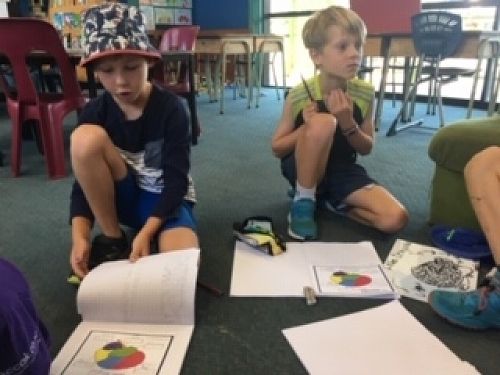
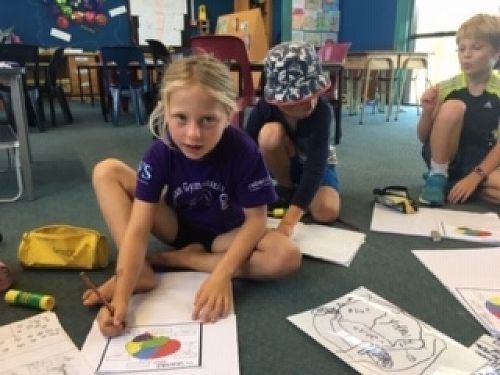
Co-construction teaching strategies require a teacher to consistently allow students to be co-enquirers, raisers of questions, and evaluators of questions and answers. In a nutshell, students are given many opportunities during the day (aiming for more than 50% of the time) to discuss, share and build on one another's understanding of their ideas or questions in order to build a greater understanding. It's about the students discussing, learning and building their understanding together.
After the co-construction workshop, I was inspired to try and integrate co-construction into my classroom in as many ways as possible. As a teacher, this can be challenging when there is perceived pressure to 'move on', 'get things done' and 'crack into doing and recording' learning. Recently, I saw an opportunity to trial the strategy during our topic studies relating to 'growth mindsets' and in particular our studies about how the brain works and impacts our actions.
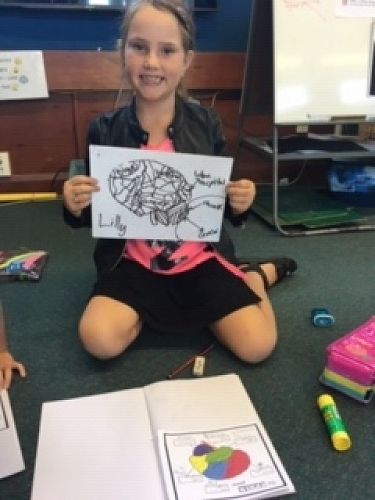
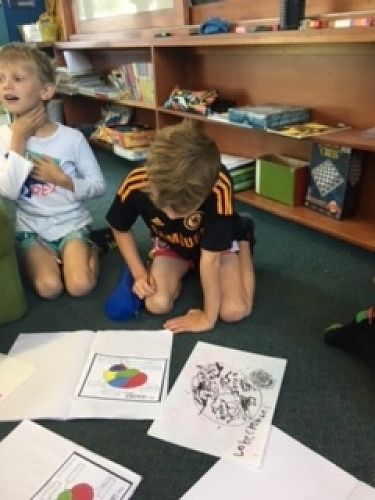
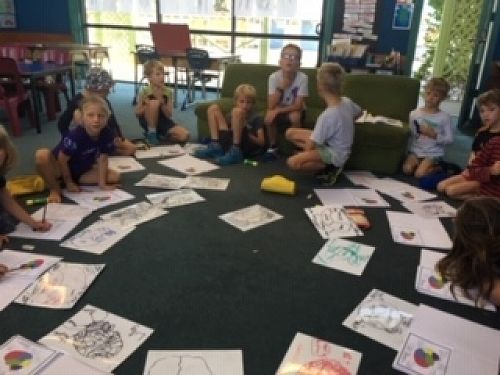
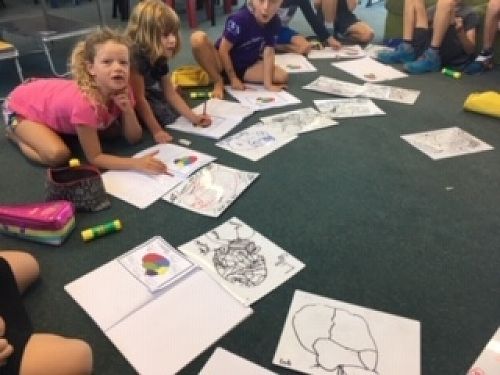
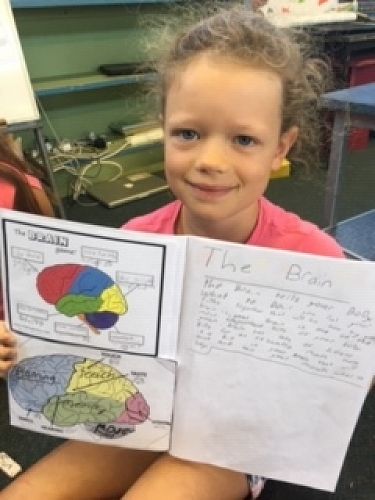
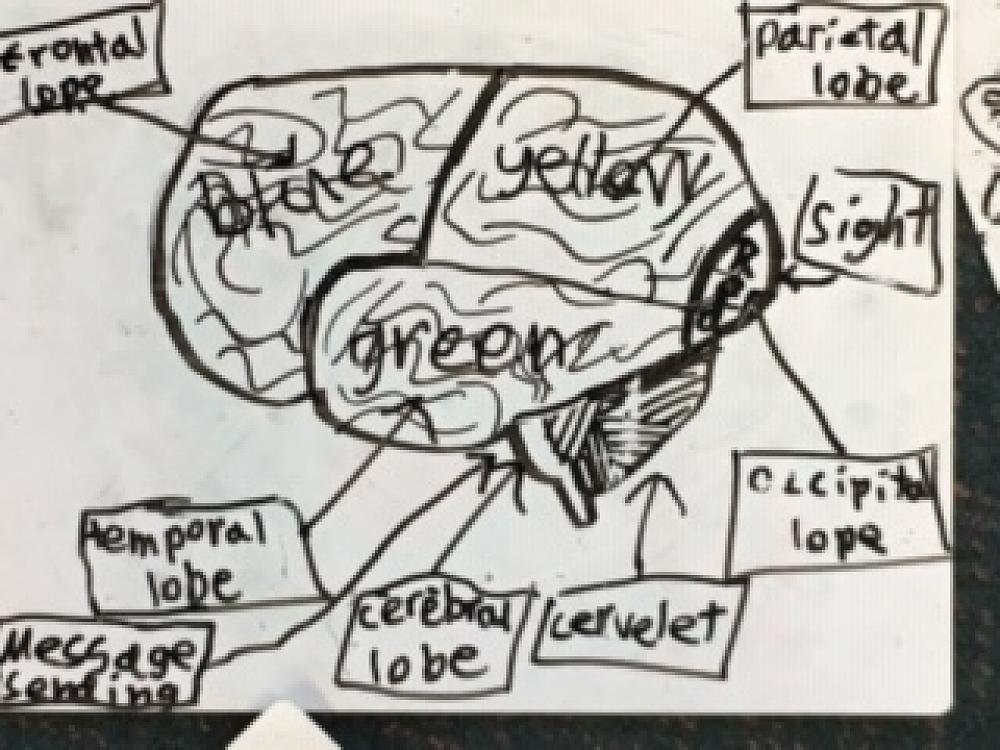
Year 3/4 students in Kahikatea were asked to discuss what they knew about what a brain looked like and then draw their ideas, being given time and space to discuss, draw, re-start, rub out and be happy with their work. Next, they were asked to convince a peer that their drawing was a good example of a real brain. Students were still allowed to change and adapt their own drawings while discussing until they were happy with their drawings.
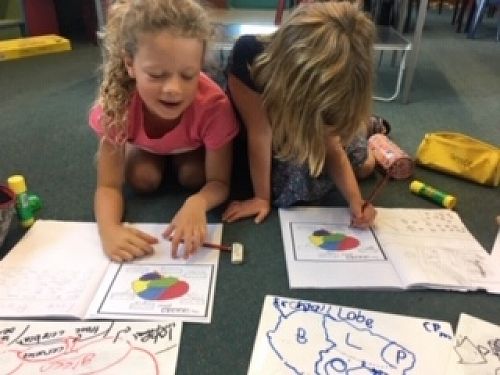
Next, they were shown an image of the brain split into parts - they were asked to discuss and convince each other what each part was responsible for. This was a magic time for kids to bring prior knowledge about the topic and make suggestions based on their learnings so far.
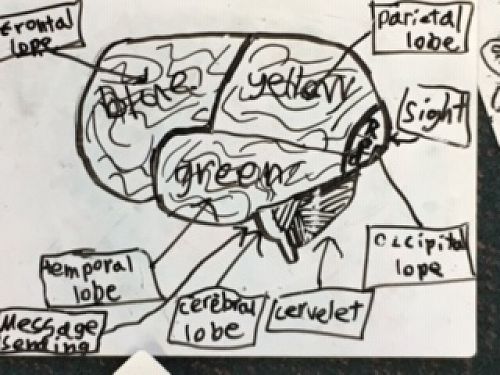
Next, they were given the scientific names for each part of the brain and challenged to work out where they went and discuss what connections they could make to what they knew about the scientific words.
Then they were given an image of a labelled brain to compare with theirs. Students discussed and compared their brains to the 'real thing'.
When the functions of each part of the brain were 'revealed in plain english' the discussions amongst the children were lively and excited. Students were delighted when ideas matched up to prior knowledge and other students felt success because they could use their peer's ideas and challenges to make improvements to their own work.
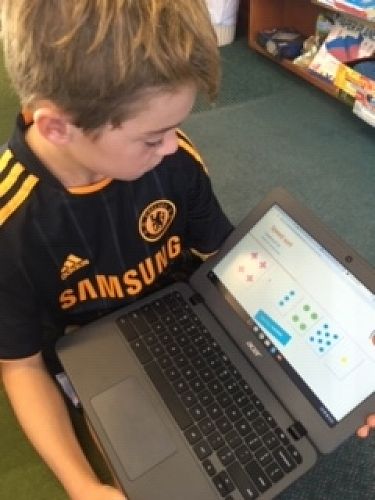
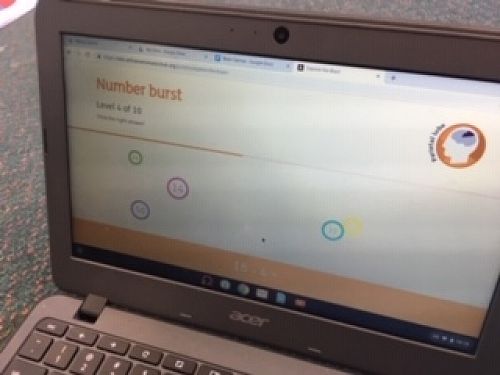
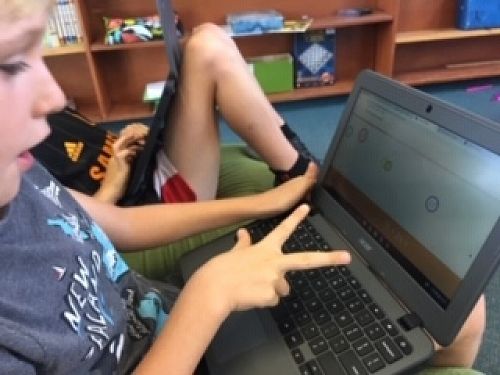
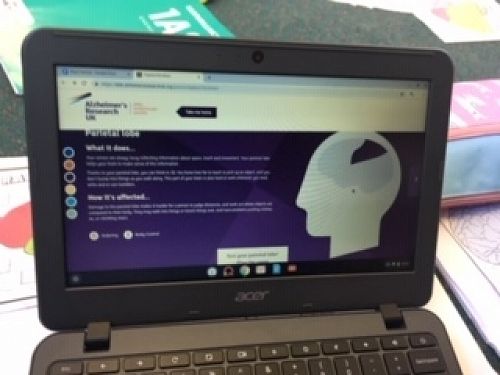
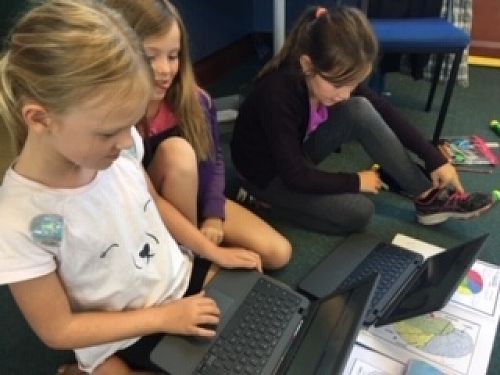
Students were then given the chance to explore a brain science website with a buddy. The rich discussions continued and the connections kept firing!
Check out the photo gallery below to see the children's amazing results from collaborating and co-constructing their knowledge about the brain.
Gallery