
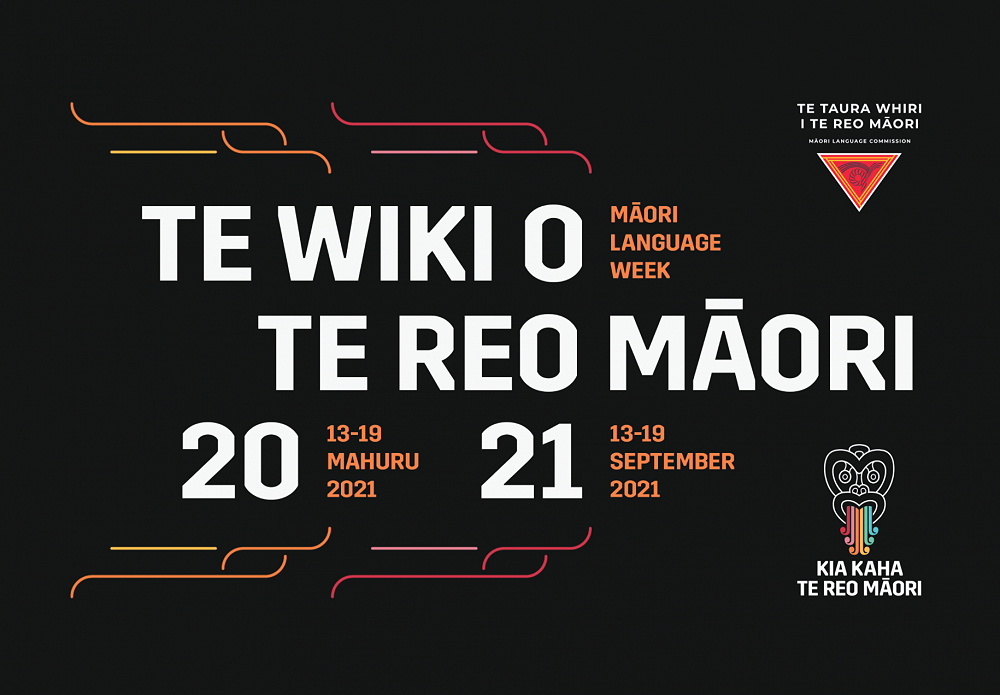
Māpua celebrate Te Wiki o Te Reo Māori - But how did NZ Schools get to this point?
At the beginning of the 19th Century, it was the dominant language spoken in Aotearoa. As more English speaking settlers arrived, the Māori language became more confined to their local communities. And, then by the mid 20th century, it was looking as though the language could die out.
Māori never had written language but they used carvings and weaving to retell stories and lineage of whānau and ancestors. For the first half of the 19th century, many settlers learnt how to speak Te Reo as it was beneficial for them to communicate for trade. Missionaries first attempted to write the language down and with the help of Hongi Hika, by 1820, there was a written version of Te Reo for literacy and numeracy.
In the 1870s, children of Politicians or Missionaries were among the most fluent European speakers and writers of Māori because of their playmates being Māori. But English was fast becoming the dominant language to be spoken. Speaking Māori was discouraged and many Māori felt that speaking in English was a way of getting ahead.
Māori language stopped being taught in schools and many Maori still remember being punished for speaking it. My Grandmother used to tell me that she was afraid to speak it or she would get the strap! Learning to speak English was encouraged by some Māori too as it was the language that could help them in the workplace.
In the 1980s, Māori initiatives brought about the need to revive the language. (My Uncles were major players with this!) At this time, only 20% of Māori spoke Te Reo. A lot of Māori became urbanised and lost their sense of identity when they lost their language.
In 1972, 3 groups petitioned Parliament to take action and promote Te Reo and in 1975 New Zealand had its first Māori Language week. Major Māori-language recovery programmes began in the 1980s. Many were targeted at young people and the education system.
In the 1980s, some radio stations and news bulletins started to greet using 'Kia ora'. This became a highly contentious issue!
In 1985, the claim that the language was a taonga (treasure) meant that the Crown was obliged to protect it under The Treaty of Waitangi. Māori was made an official language in 1987.
There is a resurgence of te reo at present, but to remain viable as a language, we must continue to celebrate it, learn it, take risks using it and teach it in schools more and more so that it is not just stabilising in our society, but we are growing young citizens into fluent te reo speakers.
New Zealand schools have a Māori Curriculum to work with however, it is not compulsory to teach. I am proud that Māpua School supports the teaching of Te Reo as it is a part of our country's heritage and it provides richness to our student's lives.
Nau mai nga hua (Welcome all the things that are grown)
Nau mai nga pai (Welcome all the things that are good)
Nau mai kia nui (May they be plentiful)
Kia hāwere ai (and abundant)
Tēna Tātou katoa
Nāku noa, nā
Philippa Jackson
Deputy Principal / Team Leader Year 3-4