
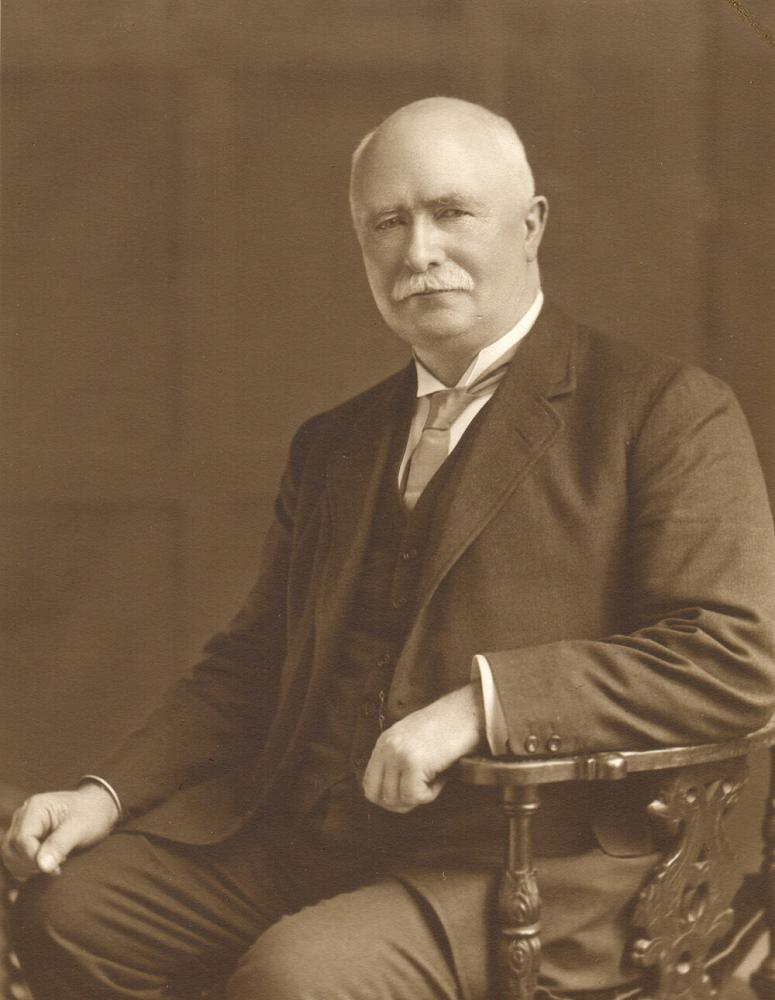
William Ferguson Massey; Party Politician, National Leader & Great Human
In my family we have a story of a young farmer wearing gumboots, turning up at a meeting of a newly formed (1895) farming lobby group called the National Association. That man went on to become New Zealand’s longest serving Prime Minister.
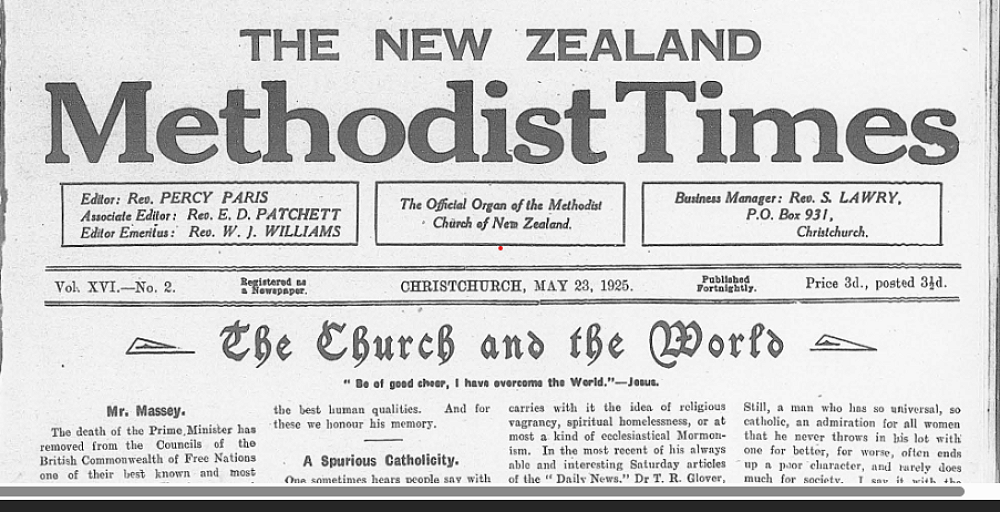
It is 100 years since W.F. Massey (1856 – 1925) died. This contribution is not an attempt to summarise his long and illustrious career in national and Commonwealth politics. He was however, front-page news in The New Zealand Methodist Times when he died, and the editor’s remarks, brief though they were, are worth re-reading. The editorial concluded with these few sentences: “(He) was not a great man as a politician. His was a truer greatness. He was great in the best human qualities. And for these we honour his memory. What were those human qualities?
William Ewart Gladstone, the English 19th century Prime Minister, was noted for his eloquence. A quote from one of his speeches, perhaps about his liberal political philosophy or his views on tea, could be printed on a poster or as a piece of wall art. Much nearer home was Michael Joseph Savage, the first NZ Labour Prime Minister.
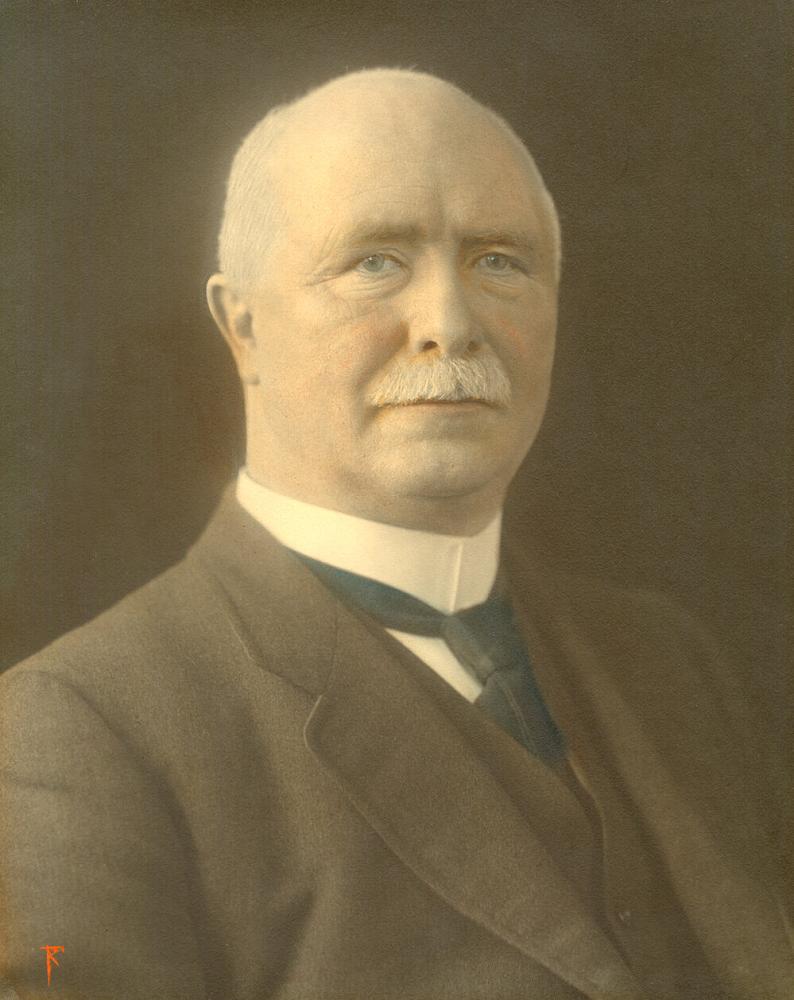
Historian Dr Michael Bassett said: “When I was a small boy, few homes were complete in the working-class suburbs of Auckland without a framed, tinted photo of Michael Joseph Savage. It was usually mounted, sometimes with a gilt surround, that was out of all proportion to the socio-economic standing of the house in which it hung.” Bassett recalled being offered a framed photo by one of his constituents. It came from a working-class home where it had hung in the hall next to a crucifix. The lady who owned it told him that “Savage was the nearest thing to Christ in her life.”
It would be patronising in the extreme to dismiss such respect as a form of idolatry. Nevertheless, to honour someone by hanging their photos in the kitchen can create a sense of distance, rather than immediacy. Remembering someone in such a way doesn’t necessarily lead to putting into practice what they stand for. Are we guilty of that when we limit our commitment to Jesus of Nazareth to an hour on Sunday? A recent lectionary reading from John reminded us of Jesus’ words: “ … just as I have loved you, so you must love one another.” That’s a call to action, not to adoration.
But back to politics. As Tom Wright, a noted English New Testament scholar has said: “Jesus’ message was after all inescapably political. He denounced rulers, real and self-appointed. He spoke of good news for the poor. He led large groups of people off into the wilderness, a sure sign of revolutionary intent. He announced the imminent destruction of the Jerusalem temple. At the start of a festival celebrating Israel’s liberation, he organized around himself what could only have looked like a royal procession. And he deliberately and dramatically acted out a parable of the temple’s destruction, thus drawing on to himself the anger of the authorities in a way which he could never have done by healing lepers and forgiving prostitutes (though we should not miss the revolutionary note in his offer of forgiveness, whose real offence lay in its bypassing of the temple cult) ... He died the death of the lestai, the political insurrectionists. How could he not have been ‘political’?”
This year and next we will all be exercising our political rights – at local and then at national level. Don’t let any politician tell you that religion and politics don’t belong together. But let’s not forget, either, that what we look for in our politicians is more than mere adherence to a party line. As The New Zealand Methodist Times editor said of Massey “He was great in the best human qualities.” Might that be a benchmark for us?