
Liturgy of Lament for Healing and Compassion
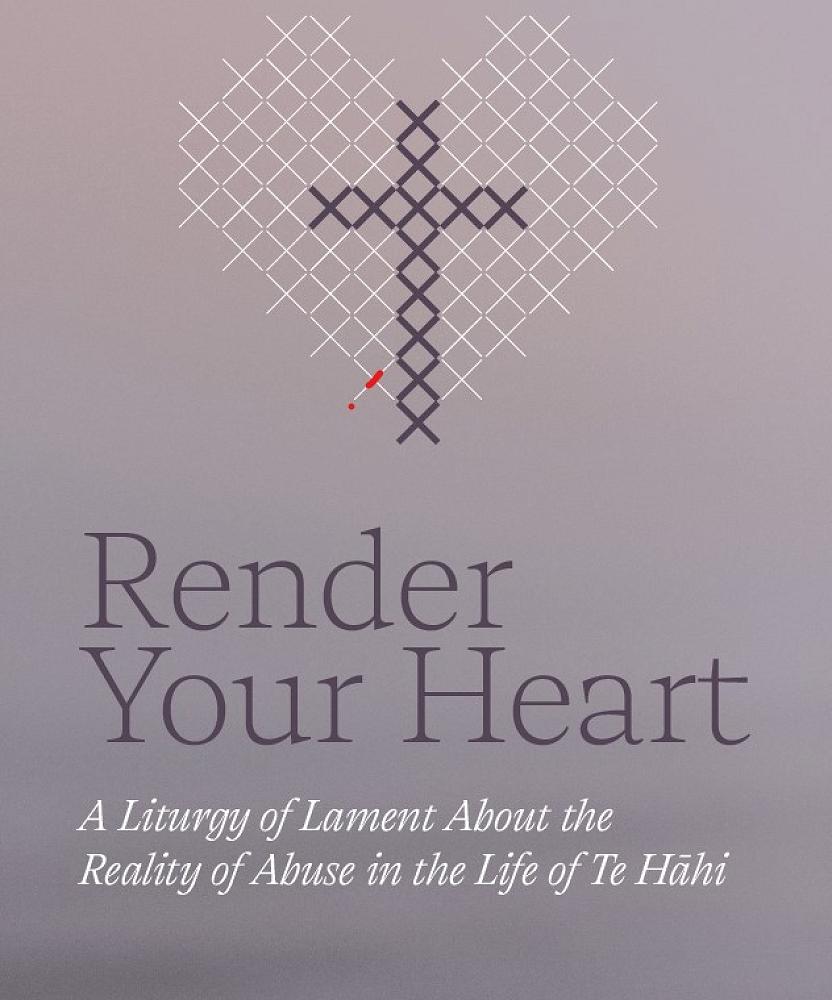
Ahead of the wider release of The Abuse in Care Royal Commission of Inquiry report, Touchstone shares the genesis of a Lament Liturgy Render Your Heart, A Liturgy of Lament About the Reality of Abuse in the Life of Te Hāhi created by Rev David Poultney on behalf of the Methodist Church of New Zealand.
In late June, The Abuse in Care Royal Commission of Inquiry delivered its final report and recommendations to the Governor-General, Her Excellency The Rt Hon Dame Cindy Kiro. Release of the report to the general public is imminent.
The Royal Commission report called Whanaketia – through pain and trauma, from darkness to light, includes almost 2,500 pages of material that explores what happened, why it happened, the context of the abuse, case studies, survivor experiences, and recommendations.
Rev David Poultney, Chair of Faith and Order, suggested a MCNZ liturgy be created at the meeting of Council of Conference earlier this year after the General Secretary talked about the Royal Commission and the involvement of former Methodist Church leaders and people in positions of authority.
David says, “It is clear that the reception of the report will be a consequential and difficult moment for the Church. How we respond matters. We will be confronted by uncomfortable truths about people who have held positions of authority and an abuse of the authority of the Church. The moment needs more than uncomfortable silence or a deliberate amnesia. We need to express our pain, sorrow and institutional guilt in lament. Lament has a long tradition in Jewish and Christian liturgy though the more evangelical traditions - and I include Methodism in this - have perhaps neglected it.”
Personal experience of supporting survivors of abuse in parish ministry influenced the choice of readings and content. “In my first parish I supported a survivor of sexual abuse going through a legal process and afterwards we crafted a ritual for survivors of abuse. That informed the lament I prepared for this occasion,” David says.
He believes it is important that all parishes engage with the liturgy and with the issue of abuse, a problem that is evident across all churches and faith communities . “The potential for abuse is a human thing. It is everywhere.”
The liturgy gives voice to the many emotions that accompany the exposure and acknowledgement of abuse and abusers - grief, shock, sorrow, shame and anger – and the betrayal of trust, suffering and damage done to those who have been abused.
“The hope is that all parishes will engage with the liturgy. People in pews and in the pulpits are not to blame but others were sheltered by the authority and dignity of the institutions they served. We need to acknowledge and address that. We tend to be silent with the difficult stuff.”
The liturgy includes words from scripture, whakataukī and poetry. David selected the readings with some reflection and research. “The text from Lamentations was the first that came to mind. I remember it engraved on the Holocaust Tree of Life memorial at the Great Synagogue in Budapest.”
Since 2018 the Abuse in Care Royal Commission has been investigating abuse and neglect of children, young people and adults in State and faith-based care. The inquiry is the largest and most complex ever established in Aotearoa New Zealand and has the widest scope of similar inquiries around the world. Initially it was focussed on people impacted between 1950 to 1999 however the Commission extended the timeline to include testimony from survivors who were abused beyond 1999.
In October 2022 Rev Tara Tautari appeared before the Royal Commission on behalf of the Methodist Church of New Zealand, one of several faith-based organisations called to respond to allegations of historical abuse.
In the May 2024 edition of Touchstone, an article by Rev Tara Tautari Click Here outlined the work being undertaken by MCNZ to provide redress for the survivors’ and to prepare safeguarding policies and processes for the future. The Liturgy of Lament is one more initiative in the journey towards healing and remorse.
Render Your Heart, A Liturgy of Lament About the Reality of Abuse in the Life of Te Hāhi translated into Te Reo, Samoan, Tongan and Fijian, is available here Liturgy of Lament » The Methodist Church of New Zealand