
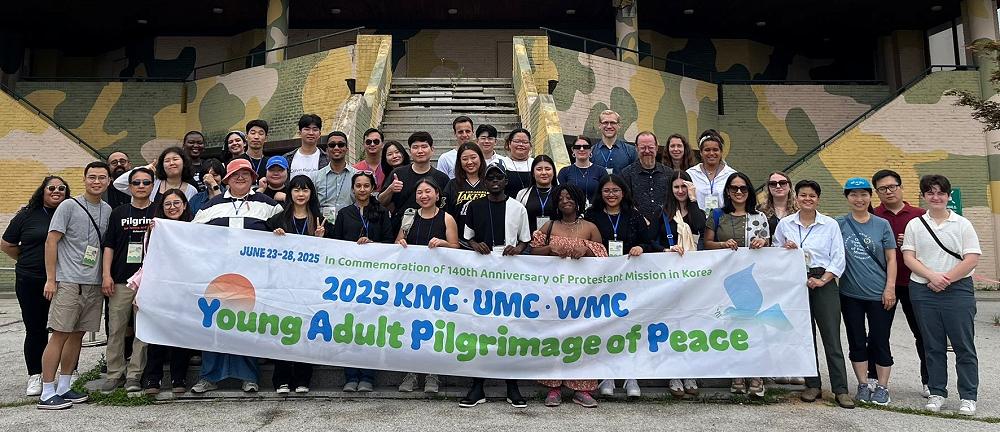
Young Adult Pilgrimage of Peace in South Korea Transformational
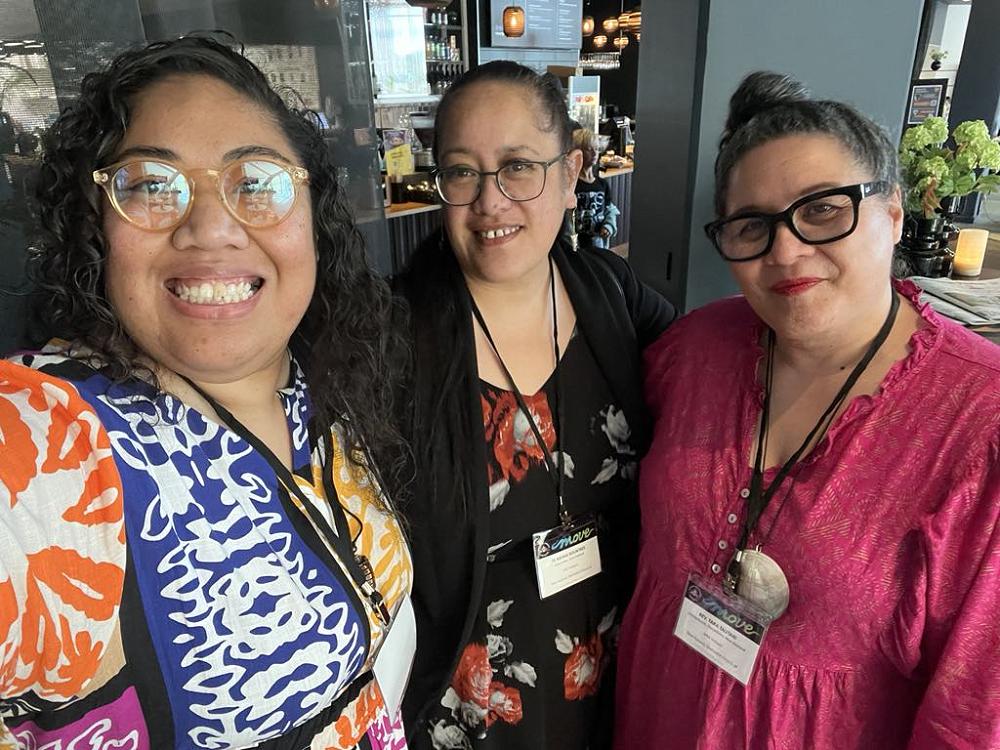
After attending the World Methodist Council in Sweden, in August 2024 - and meeting Te Aroha Rountree and Rev Tara Tautari from MCNZ - I was ignited with a deep sense of unity.
That gathering affirmed that the voices of our people, especially the young and emerging leaders of the Blue Pacific, are not simply additions to the global Methodist family, but sacred threads woven into its ever-growing story. Carrying that spirit, I stepped into this pilgrimage to South Korea with an open heart—ready to listen, to learn, and to walk alongside others in prayer, history, and hope. My report follows.
Introduction to the Young Adult Pilgrimage of Peace (YAPP)
In June 2025, young adults aged 18–35 from Methodist, Wesleyan, and related Uniting and United Churches worldwide gathered in the Republic of Korea for the Young Adult Pilgrimage of Peace (YAPP). Organised collaboratively by the Korean Methodist Church (KMC), The United Methodist Church (UMC), and the World Methodist Council (WMC) through its Youth and Young Adult Committee, YAPP was inspired by the spirit and calls to action from the Methodist Roundtable and the Korea Peace Night at the 22nd World Methodist Conference in Gothenburg, Sweden.
Held across Gwangju, Daejeon, Paju, and Seoul, marking 80 years since Korea’s liberation from Japanese rule, the pilgrimage provided space to engage with the legacies of war, division, and escalating militarisation. It challenged participants to reflect on the Church’s vital role in peacebuilding and reconciliation both on the Korean Peninsula and across the world.
As part of the WMC Youth and Young Adult Peace Programme (2024–2029), YAPP celebrates the contributions of Methodist, Wesleyan, United, and Uniting Churches by cultivating young leaders as peacebuilders, sharing testimonies of reconciliation, and mobilising faith communities worldwide for justice rooted in Christ. The pilgrimage continues in 2026 and 2027, inviting new generations into this shared journey of faith, justice, and peace.
My heart soars with gratitude for this experience—one that continues to stretch and shape my faith, deepen my theology, and sharpen my awareness of the world around me. The pilgrimage sought to raise awareness about militarisation, promote global peace and justice, and deepen Methodist commitments to reconciliation on the Korean Peninsula. Its aim was to educate and transform young people like me. We were blessed to listen as historical wounds were transformed into pathways for reconciliation, to celebrate unity across cultures, and to be inspired to become agents of lasting change.
We journeyed through the sacred sites of Gwangju, Daejeon, Paju, and Seoul—immersing ourselves in Korea’s historical, political, and spiritual landscape. We were not tourists. We were pilgrims—listening, learning, lamenting, and witnessing.
This was not your average young adult camp, where the goal is simply to have fun, make friends, and sing songs in Jesus’ name. This was hard. This was heavy. This was holy ground. It was a journey of deep theological reckoning, where we bore witness to intergenerational trauma, militarisation, the loss of land, language, and identity—and how these injustices continue to echo across the world today.
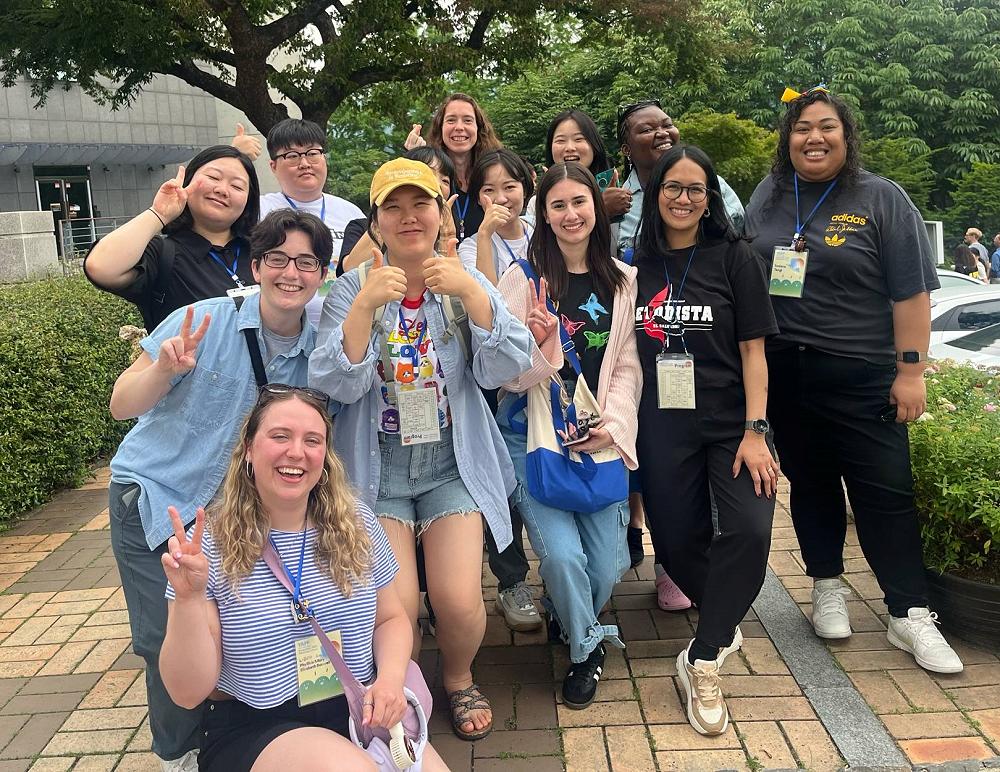
Amidst the heaviness, I was blessed to be among others who carried similar hopes—a shared hunger for reconciliation, for truth-telling, for peace that is not passive but active, disruptive, and rooted in justice. We carried our own stories too, weaving them into a wider tapestry of struggle and hope.
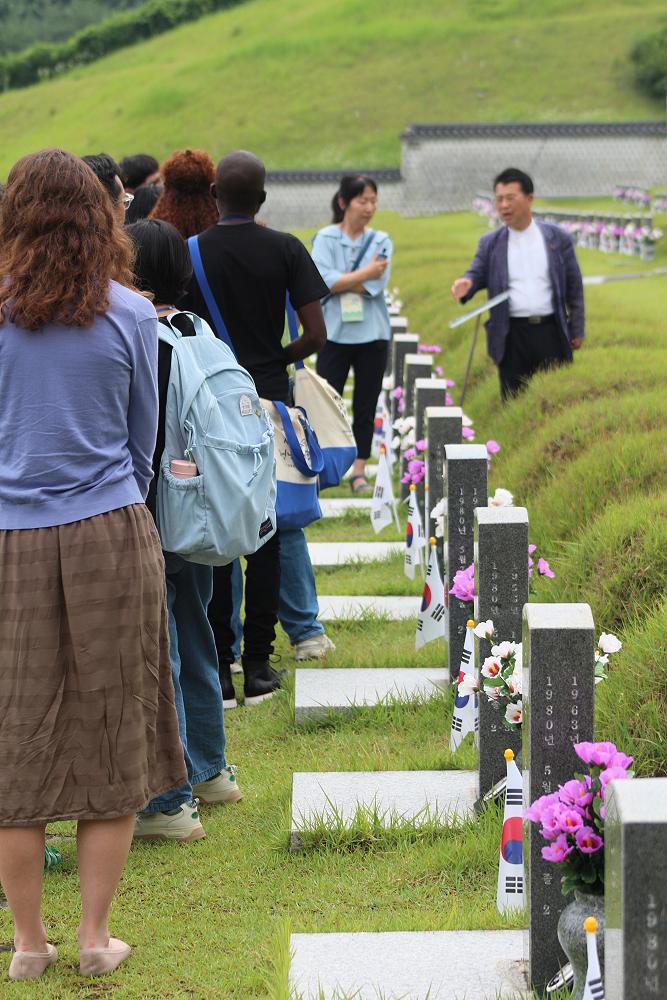
It was deeply moving to stand on land where memories of violence remain unhealed. When the daughter of a victim spoke, I realised she had carried this longing her whole life. Now her story has been entrusted to us—young hearts from across the globe—called to carry it forward so that her hope of full truth might one day be realised, even if not in her lifetime.
Perhaps the most difficult yet beautiful truth we carried was this: stories of division, loss, and resistance are not unique to Korea. A sister in Christ from Bethlehem continues to call for peace at her doorstep. Another pleads for truth-telling and climate justice in South Africa. As a second-generation Tongan Australian, joining a pilgrimage longing for peace, I could not ignore the parallels with militarisation and identity erasure across the Pacific. Closer to home, our Māori whānau in Aotearoa New Zealand continue to struggle for tino rangatiratanga, to protect te reo Māori, and to see the promises of Te Tiriti o Waitangi honoured. And living on these unceded lands called Australia, I carry an ongoing responsibility to stand in solidarity with First Nations brothers and sisters in truth-telling and reconciliation. Their stories of sovereignty, survival, and sacred connection to Country must remain central to the life of our Church and our discipleship.
This commitment extends to the wider Pacific—supporting the struggle for independence in Kanaky, West Papua, resisting deep sea mining and coal extraction, demanding climate justice, and opposing the militarisation and nuclear exploitation of our ocean by foreign powers.
As I walked deep into the tunnels of the DMZ, watching videos and reading the stories of those who acted courageously, I realised how important it is to be present—to feel the tension of war and injustice, and to glimpse just how difficult life can become. And yet, during that heaviness, I also saw how people continue to hold on to hope, and how gratitude endures even in the shadow of conflict.
This pilgrimage has left me with both heartache and hope: a renewed commitment to live a life of advocacy grounded in Christ and driven by the flourishing of all people. It has deepened my understanding that we must be willing to carry the hard stories—and let them change us.
As the only participant from our Blue Pacific region, I carried not just my story, but the hopes of many. This experience reminded me how deeply we need more of our young people to be immersed in these mountaintop moments—where the world looks different, where our hearts beat in rhythm with others, and where we remember that we were never meant to journey alone. There is power in walking together. I hope more young people from the South Pacific will join in future conferences and pilgrimages—bringing youth vibes of big laughs, warm spirit, and curious hearts ready to learn, grow, and share in the journey.
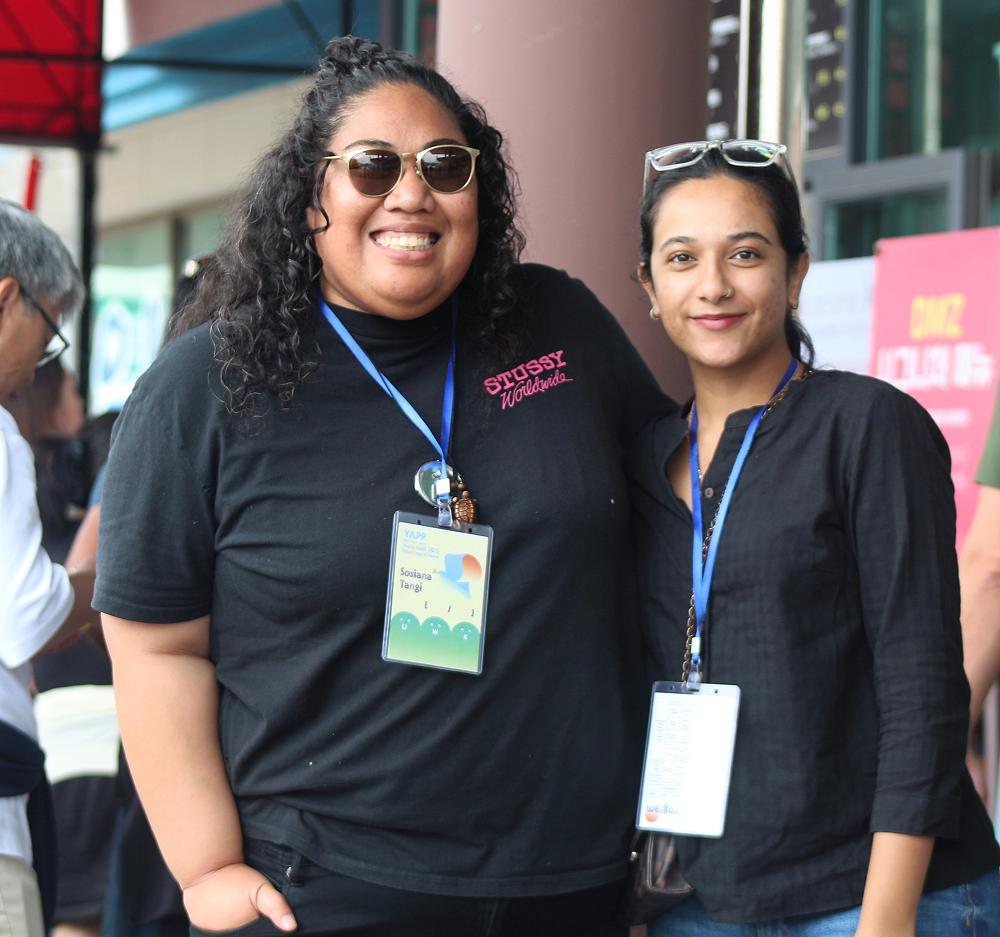
This pilgrimage solidified the trust and investment Church leaders placed in me to participate in such a sacred journey. A spirit of newness has washed over me—renewing my faith, my growing and enriched Methodist heart stretching my imagination and deepening my calling. I stand amazed by God’s love, revealed through lives so different from mine, yet whose stories have now become part of my own. May we continue to walk together as a Church that dares to follow Christ into places of pain, hope, and transformation.