
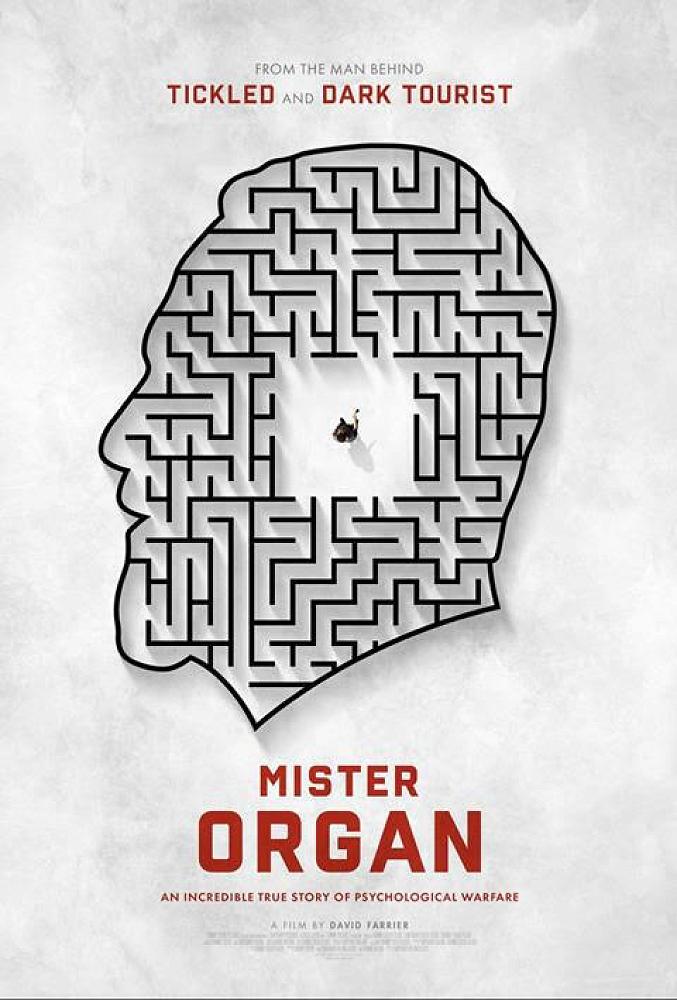
Cinema: Mister Organ
Watching Mister Organ feels like the first verse of Bohemian Rhapsody on repeat. "Is this the real life? Is this just fantasy? Caught in a landslide, No escape from reality."
Funded by New Zealand On Air, Mister Organ has two main characters. David Farrier is a journalist and documentary maker, probing a landslide of fantasy. Michael Organ is a Ponsonbycar clamper and antique dealer. Together they offer a disturbing meander that at times offers what appears to be a landslide of fantasy, with little escape from reality.
Truth really is stranger than fantasy. In 2016, Farrier wrote a Spinoff story aboutBashford Antiques, who were demanding cash to unclamp cars parked after-hours on their property. Sensing a story, David pursued the identity and motivations of the clamper, the man known as Michael Organ.
Watching Mister Organ is like watching someone tug on a single dropped thread, causing an entire precious jersey to unravel before one's eyes. Except in Mister Organ, what unravels are human lives. Farrier collects story after story of people describing the impact of Michael Organ on their lives.
These heart-breaking accounts are threaded between Farrier's own encounters with Organ. At times, both seem obsessed with each other. WhenBashford Antiques closes, Farrier takes a left-behind sign. Organ sues for theft, taking Farrier to court. Organ later phones Farrier, claiming to have been given a key to his house. Farrier begins to door knock Organ's family. Is this real life? Or is this reality TV, Farrier acting and Organ enjoying the attention?
Farrier has made a career as a highly-skilled infotainer. First were seven years as anentertainment reporter with 3 News. Next, Farrier starred in his own Netflix documentary, Dark Tourist, visiting obscure and variously haunted tourist places.
Farrier is also a podcaster, exploring conspiracy theories in Armchaired and Dangerous and editing an online newsletter called Webworm. Through Webworm, Farrier brought allegations of abuse at Arise Church, cataloguing story after story of emotional and physical distress.
What to make theologically of this Ponsonby car clamping rhapsody? God language is certainly present. In a closing sequence, one of Organ's victims describes an evil spirit and begs God for freedom.
The backdrop to this scene is poignant, the interview recorded atKingseat Hospital, a former psychiatric hospital haunted by story after story of distress. The location is a sombre reminder of the tender fragility of body, mind and spirit.
English mystic Julian of Norwich declared that in single objects we witness "all that is made." In every single moment of life, we are to marvel at the love of God.
Watching Mister Organ left me pondering not Julian's optimism in God's presence but the via negativa of God's absence. Can there be a void in which single reality becomes destructive fantasy in which we glimpse hell as the absence of love? "You pay a soul tax for every minute you spend with him," mutters Farrier, trying to make sense of his encounters with Organ. Using Farrier's own words, watching Mister Organ certainly extracts a 136-minute "soul tax."
Rev Dr Steve Taylor is the author of "First Expressions" (2019) and writes widely in theology and popular culture, including regularly at www.emergentkiwi.org.nz.