
O Purapura Pai
Adapting to new situations in any organisation requires an open and willing attitude. When we are open to change, God will bring out the best from our efforts, leading to growth and abundance.
E te Atua kuia ruia nei
O purapura pai
Hōmai e koe he ngākau hou
Kia tupu ake ai
At a recent Te Taha Māori workshop—a Treasurers’ training convened in Hawera—I was reminded of the importance of adapting to change. Te Taha Māori office personnel have been diligently visiting our rohe with the mission to strengthen and prepare those of our members charged with financial responsibilities. The workshop brought to light the necessity for our parishes and rohe to engage with technology in line with a rapidly changing world. Understanding the benefits of embracing technology to streamline our operations is a win scenario for all.
The workshop laid bare the expectation set by our church to be transparent in all that we do. We strive to be a paperless society conscious of our church’s own carbon footprint and work towards being more efficient in our accountability to one another. Our Hui Poari needs, our rohe needs influence the way we allocate our people, resources and time. Being able to leverage our resources is a luxury for most parts of our church. Being able to deliver to our people and being able to provide choices available to them is often broadest for financially wealthier parts of our church. How do we leverage this with less financially independent parts of our church? We often underestimate the power of our human resources; shouldn’t our funding priorities build leadership capacity?
Churches, as cornerstones of faith-based organisations, assume a critical role in strengthening communities and addressing community needs and wellbeing. The latest coalition budget highlights the needs are plentiful and ever-present. Good news for some but not for others. It illustrates the ample opportunities that the privileged in our society can access.
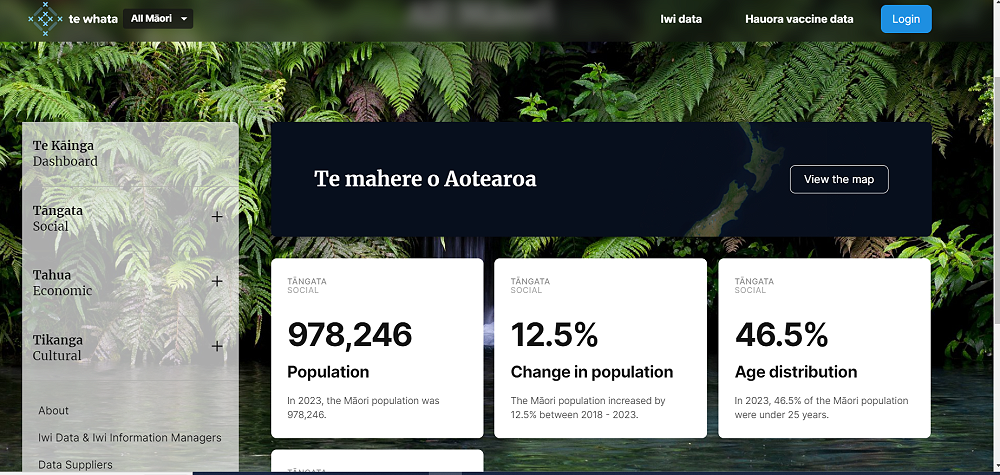
Te Kāhui Raraunga Charitable Trusts’ data platform Te Whata reports our 2023 Census statistics show the Māori population was 978,246 an increase of 12.5 percent from the 2018 results. 46 percent of our Māori population are under the age of 25. Couple these facts with the statement 1 in 5 New Zealanders is of Māori descent, it’s likely to be higher. From a population base perspective, 20 percent of the budget should have been delivered to meet Māori needs. This is a social justice issue. The reality is that with such a significant proportion of the population being of Māori descent, and largely young Māori, surely movement towards addressing more of their needs would have been a more just response?
The recent anti-government budget protest action across the country showed the strong level of Māori discontent with recent government policy decisions. It suggests Māori lack of trust and faith in the current coalition government being able to deliver for Māori. In the context of an economy informed by demographic data, the interpretation and application of data metrics plays a pivotal role in future decision-making processes. Māori have a history of being distrustful of government data collection, which may lead to concerns about the completeness of census records. Who gets what, and how much is always a contentious issue come budget day.
Removal of the Māori wards, the government’s most recent policy decision, validates Māori concerns of institutional racism and inequitable outcomes for Māori. The implications of a budget that does little to improve the lives of Māori fuels the grounds for further Māori protest.
Data sovereignty is good news for Māori. It raises issues of equitable outcomes for Māori whilst calling to account our government’s discernment processes. While data collection is a tool for understanding societal trends, it cannot capture the full spectrum of community expressions. The intangible moment of grace reflected in our worship, the collaborating of shared aspirations to improve the lives of all; these cannot be measured, but their impact can be seen and felt by our people in these spaces. As one very wise kaumātua once said, “Let us be the change we want to see.”